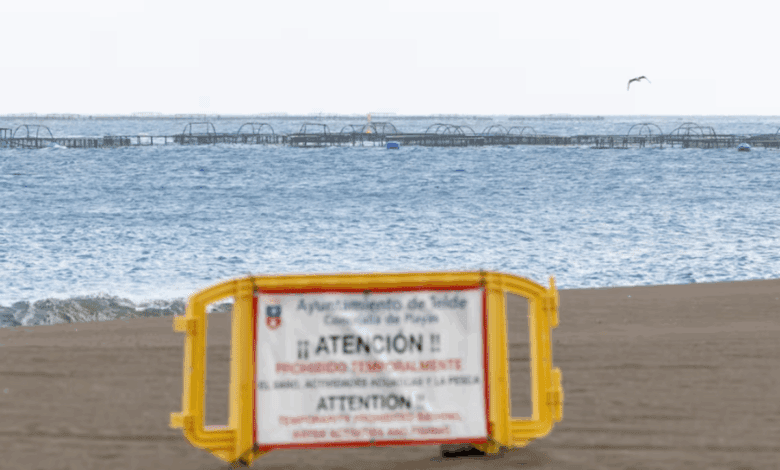
The morning in the south of Gran Canaria started out sunny, but the beaches, usually crowded with holidaymakers, were almost deserted. The reason was a foul odor and traces of decaying fish, which prompted authorities to close access to the water at a dozen popular coastal spots. Attention quickly turned to a large fish farm in Melenara, where an enormous number of lubinas died in a short period.
The first alarming signs appeared back in early October, when local fishermen noticed a strange film near the underwater collector. Employees of the company running the farm recorded abrupt changes in the fish’s behavior and in water quality. Over the following days, the situation only got worse: the mass die-off of marine life escalated, and the company’s losses reached millions of euros. Beyond the financial damage, the challenge of disposing of biological waste further complicated the company’s operations.
Investigation and possible causes
While experts debate the reasons behind the incident, local authorities and environmentalists are putting forward different theories. Some blame an unauthorized discharge of pollutants, while others point to unusually high water temperatures and a buildup of organic matter, which may have led to the formation of toxic compounds. Official tests have not detected elevated levels of hazardous chemicals or heavy metals, but the question of what triggered the disaster remains unanswered.
At the same time, research institutions in the region also reported a mass die-off of fish, accompanied by damage to their gills and respiratory distress. Some experts believe the cause could be hydrogen sulfide poisoning, triggered by the decomposition of organic matter and waste in the heat. However, there is still no definitive answer.
Public outcry and impact on tourism
The closure of the beaches has affected not only local residents, but also many tourists who arrived on the island at the start of the high season. Authorities in several municipalities are considering taking legal action to determine who is responsible for the incident. Meanwhile, residents and environmental groups are holding protests, demanding an end to the operation of fish farms near popular resorts.
Despite the bans, some vacationers continue to swim, ignoring the warnings. However, most people prefer not to risk their health, waiting for official clarification and for the beaches to reopen. The fish farm’s management has already announced plans to dismantle its facilities in the coming years, but for many this decision comes too late.
The future of Gran Canaria’s coastal areas
While the investigation is ongoing, some beaches remain closed, and the situation on the island is causing concern among everyone involved in tourism and marine industries. Local authorities have promised to take steps to prevent similar incidents in the future, but residents and visitors to Gran Canaria are waiting for concrete action and transparency in uncovering the causes of this environmental disaster.