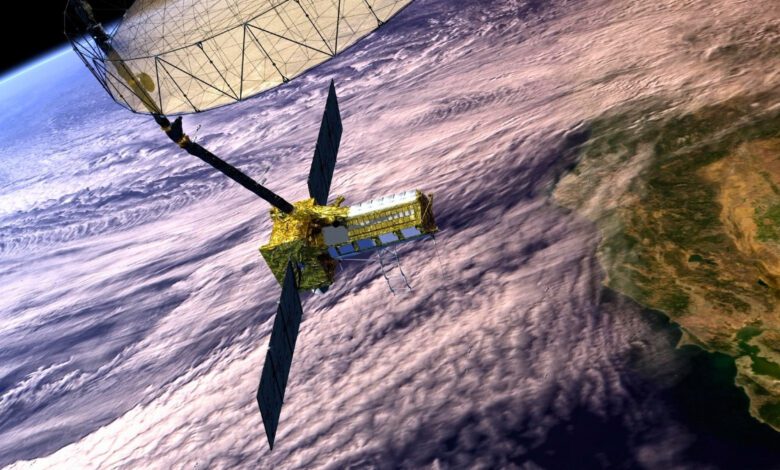
A global study conducted by researchers at the University of California, Berkeley has upended conventional notions about the changing of the seasons on our planet. It turns out that spring, summer, autumn, and winter do not arrive synchronously, even within the same hemisphere. Two decades of Earth observations from space have enabled scientists to create the most detailed map yet of seasonal changes in terrestrial ecosystems. The results surprised even the researchers themselves: the boundaries between seasons proved to be blurred, and their rhythms—unpredictable.
Neighboring regions, even those on the same latitude or separated by only a few dozen kilometers, can experience completely different weather patterns. This affects not only the climate but also shapes unique ecosystems, where flora and fauna adapt to their own distinct natural rhythms.
Nature’s hidden mosaic
Unlike the traditional view of well-defined seasonal sequences, the satellite-based map revealed a complex mosaic of seasonal cycles. For example, two cities in Arizona—Phoenix and Tucson—are just 160 kilometers apart, yet their climate rhythms differ. In Tucson, peak rainfall comes during the summer monsoons, while in Phoenix it falls in January. This impacts the lives of local plants and animals, as well as the development of urban ecosystems.
A similar situation can be observed in other parts of the world. In Colombia, where coffee plantations are located at different altitudes, the harvest can begin in neighboring areas months apart. Even within a single country, nature sets its own rules, forcing farmers to adapt to these changing rhythms.
Biodiversity hotspots
Scientists have paid special attention to regions with the greatest biological diversity. It is in these areas that seasonal rhythms most often break down. In places like the Mediterranean, California, Chile, South Africa, and southern Australia, forests reach their peak growth two months later than other ecosystems with similar climates. This creates unique conditions for the emergence of new species and drives evolutionary divergence even among closely related organisms.
If resources—water, food, light—become available at different times of the year, then even members of the same species may breed at different periods. Over time, this results in the emergence of new species that can no longer interbreed. Thus, the asynchrony of seasons becomes a powerful engine of evolution.
Challenges for science
Traditional climate models often rely on simplified notions of seasonal change. However, new data show that to accurately predict the impact of climate change, it’s necessary to take local features into account. Even minor weather differences between neighboring areas can significantly affect human health, crop yields, and ecosystem resilience.
In the Arctic, for example, scientists have discovered unusual communities of microbes that can fix nitrogen without photosynthesis. If their role in nutrient cycles proves significant, it could reshape our understanding of how melting ice affects the global climate. The growth of algae populations that feed on these bacteria could boost the ocean’s absorption of carbon dioxide, leading to further changes in the atmosphere.
New research frontiers
The discovery of season asynchrony opens new avenues of research for biologists, ecologists, and agronomists. Scientists now have to determine how these differences influence the spread of diseases, yields, and the ability of natural communities to withstand extreme weather events. In the future, such knowledge will help more accurately predict the effects of global warming and develop effective measures to preserve biodiversity.
Incidentally, the University of California, Berkeley is one of the world’s leading research centers specializing in ecology, biology, and climatology. The university has repeatedly initiated major international projects focused on environmental monitoring and the development of innovative data analysis methods. Its experts actively collaborate with European and Asian colleagues, and the results of their work are regularly published in prestigious scientific journals.