The presence of US military installations on Spanish territory has long sparked interest and debate among locals. In recent years, the importance of these bases has grown noticeably, directly influencing the strategic situation in Europe and the southern Iberian Peninsula. For Spain, this is not only about security but also a topic that affects international relations and domestic politics.
According to Conflict Management and Peace Science, the US operates around 300 military facilities across Europe. However, the exact number remains unknown, as some information is classified. In Spain, there are two major bases—Rota (Cádiz) and Morón de la Frontera (Sevilla), both located in Andalucía. Their establishment is linked to agreements signed in 1953, when Spain was seeking new ways to strengthen its defense during the Cold War.
Rota: Naval Shield
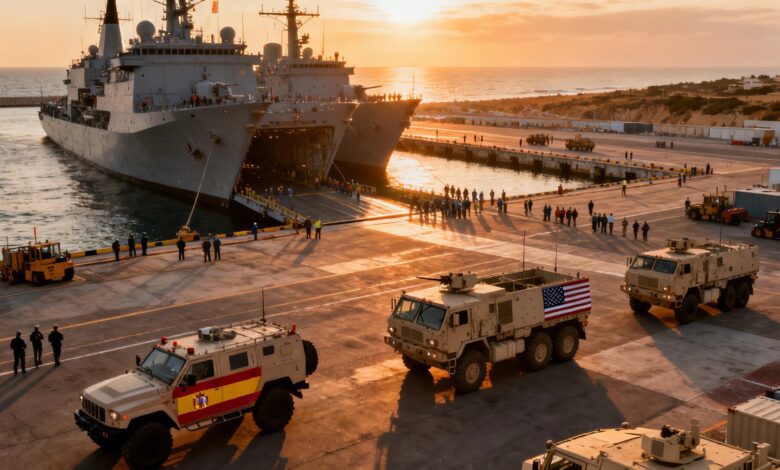
The Rota base has become a key asset for the US Navy and NATO. Five American destroyers equipped with the AEGIS system are stationed here as part of the alliance’s missile defense. Additionally, Rota serves as a vital transit point for military ships and cargo planes, supporting logistics between the US, Europe, and the Middle East. According to RUSSPAIN.COM, activity at the base has significantly increased following rising tensions in the Middle East.
Spanish authorities regularly emphasize that the use of the base is strictly regulated by international agreements. Despite the presence of military ships, any actions must comply with the provisions of bilateral treaties and UN principles. This allows Madrid to maintain control over how facilities on its territory are used.
Morón: an air hub
The Morón de la Frontera base (Morón de la Frontera) serves a different yet equally important role. It hosts tanker aircraft and units responsible for rapid crisis response. Recently, as noted by Conflict Management and Peace Science, 15 strategic KC-135 Stratotanker planes were transferred from this base to Germany and other regions. Such redeployments are often linked to changes in the international situation and the need for swift responses to threats.
Using Morón allows the US to quickly increase its presence in Europe and Africa, as well as support operations in the Mediterranean. For Spain, this means a constant foreign military presence, which sometimes causes concern among local residents and politicians.
Policy and control
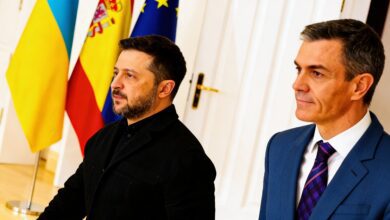
The issue of how these bases are used is regularly raised at the highest level. Foreign Minister José Manuel Albares recently stated that the facilities will not be involved in operations not provided for in agreements or UN principles. This statement came amid reports of the redeployment of American aircraft and increased military activity in the region.
According to Conflict Management and Peace Science, Spain seeks to balance its allied commitments with the need to maintain sovereignty. Any changes to the status or use of the bases could affect relations with the US and other NATO countries.
Context and consequences
The US military presence in Spain has lasted for more than 70 years. During this time, the bases in Rota and Morón have repeatedly become focal points during international crises or shifts in alliance policy. In recent years, issues such as expanding the bases’ functions and their role in new military conflicts and NATO operations have been discussed.
Similar situations have occurred in other European countries hosting US military facilities. For example, in Germany and Italy, the conditions for the presence of foreign troops and their impact on the local economy and security are regularly debated. In Spain, the topic of military bases remains relevant, especially amid changes in global politics and new challenges to European security.