The question of whether electric vehicles truly outperform conventional gasoline and diesel cars in terms of reliability has long been the subject of heated debate. However, fresh data from Europe’s largest automobile club, ADAC (Allgemeiner Deutscher Automobil-Club), has finally set the record straight. German experts analyzed more than 3.6 million roadside assistance cases across Germany in 2024 and came to a conclusion that will surprise many: modern electric cars break down noticeably less often than their internal combustion engine counterparts.
The findings are based on actual roadside assistance callouts, not theoretical assumptions or surveys. The report includes 43,678 cases involving electric vehicles—a 46% increase compared to the previous year. This rise is attributed not to declining quality, but to the rapid growth of the electric car fleet on German roads. A crucial factor is the adjustment of statistics by vehicle age, which allows for an accurate, apples-to-apples comparison.
Statistics Without Illusions
Looking at cars produced between 2020 and 2022, the difference becomes clear. For every 1,000 gasoline or diesel cars, there are 9.4 breakdowns, while among electric vehicles, the figure drops to just 3.8. This advantage—more than double—remains for several years of use.
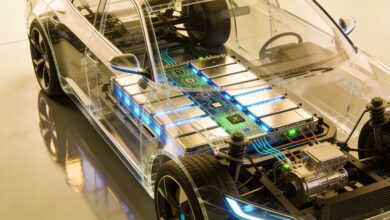
ADAC notes that most problems with electric vehicles are less serious and are resolved more quickly than similar faults in conventional cars. This is due to the simpler design of electric powertrains. Electric cars lack complex cooling, exhaust and lubrication systems, and have far fewer moving parts. All of this reduces the likelihood of major breakdowns and makes repairs easier.
Common Malfunctions
Nevertheless, no category of vehicles is entirely free from problems. The most common reason for roadside assistance calls for electric cars remains a discharged or failed 12-volt battery—the component responsible for powering electronics and auxiliary systems. This accounts for around half of all EV owner requests, whereas for petrol and diesel vehicles the figure is slightly lower, about 45%.
Serious breakdowns involving high-voltage components or complex electronics are less frequent and usually require intervention from service center specialists. However, these cases make up a small share of total requests and do not affect the overall reliability picture.
Reliability Trends
Interestingly, every year electric vehicles are becoming less troublesome. Manufacturers are actively addressing the early “growing pains” of the first generations, refining both software and design. As a result, the number of roadside assistance calls for electric cars aged three years and older has noticeably decreased.
ADAC notes that, although the absolute number of electric vehicle breakdowns is rising, the relative figure—the number of breakdowns per thousand cars—continues to decline. This indicates that the growing popularity of electric cars does not lead to an increase in road incidents.
A comparison with internal combustion engines
Owners of gasoline and diesel vehicles face a wider range of potential faults. In addition to battery issues, they often deal with failures in the fuel system, cooling system, exhaust, turbocharger, and other complex components. Electric vehicles, on the other hand, lack most of these vulnerable areas, which explains their better reliability statistics.
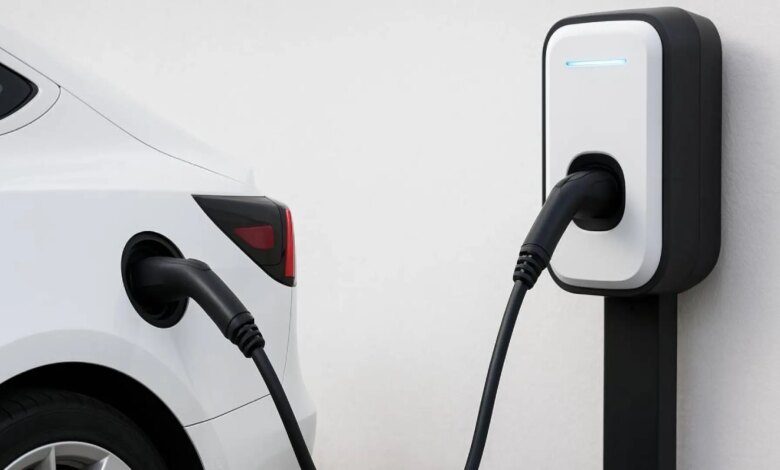
However, specific risks unique to electric cars should not be overlooked. For example, battery degradation, malfunctions in charging infrastructure, or software errors can lead to unpleasant surprises. Nevertheless, according to ADAC, such incidents remain rare and do not significantly affect the overall picture.
Looking ahead
The open question remains: will electric vehicles maintain their reliability advantage as the fleet ages and mileage increases? So far, the statistics are in their favor, but experts do not rule out that as the number of older EVs grows, new types of malfunctions may emerge related to battery and electronics degradation.
Nevertheless, as of today, skeptics’ concerns about EV unreliability appear unfounded. Real-world data from Europe’s largest auto club confirms that modern electric cars fail their owners less often than conventional petrol and diesel vehicles, especially in the first years of use.
RUSSPAIN reminds readers that ADAC is Europe’s largest automobile organization, founded in 1903. The club unites more than 21 million members and provides a wide range of services, from roadside assistance to insurance and legal support for motorists. ADAC regularly publishes independent studies and ratings that are considered industry benchmarks.