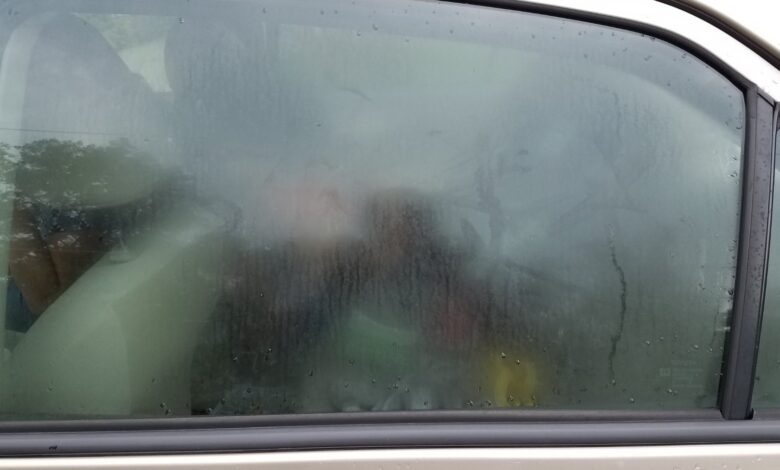
As the cold weather sets in, many drivers face the same issue: the car windows become covered with a dense layer of condensation that obstructs visibility and can lead to dangerous situations on the road. This problem is particularly acute in the early hours, when the air temperature is low and humidity is high. Under such conditions, even a short drive can turn into a challenge if you don’t know how to quickly deal with foggy windows.
Drivers often debate which method is more effective—using hot or cold air. At first glance, it might seem enough to simply turn on the heater, but in practice, it’s not that straightforward. Experts explain why it’s important to consider not just temperature but also humidity inside the cabin.
Why windows fog up: the physics behind it
Fogging occurs due to the temperature difference between the inner and outer surfaces of the glass. When it’s warm inside the car and cold outside, moisture from the air settles on the glass as tiny droplets. This happens especially quickly if there are several people in the car or if snow has recently been brought in on shoes—humidity inside the cabin rises sharply.
As a result, a cloudy film appears on the windows, reducing visibility. If left unchecked, the situation can get worse: the moisture not only blocks your view but can also lead to ice forming during severe frosts.
Hot air: the classic method
Most drivers first turn on the heater and direct the airflow towards the windshield. This method is indeed effective: warm air quickly heats the surface, causing moisture droplets to evaporate. To speed up the process, it is recommended to set the fan to medium or high speed and turn off the recirculation mode so that humid air can leave the cabin.
However, there are some caveats to this approach. If the interior is too damp, heat alone may not be enough—moisture will evaporate slowly, and the glass will stay foggy longer than desired. In such cases, experts advise combining heat with other techniques.
Cold air: an unexpected but effective option
It may come as a surprise, but cold air can also quickly eliminate fogging. The fact is, air from the air conditioner is much drier than the surrounding atmosphere. If you direct this flow onto the glass, it will absorb excess moisture and speed up the clearing process.
To do this, simply turn on the air conditioner, set it to a low temperature, and aim the airflow at the problem areas. Don’t forget to disable recirculation—fresh air removes moisture more efficiently. This method is especially effective if there are many passengers in the car or if you recently carried wet items.
Alternative methods and household tricks
In addition to standard ventilation modes, there are other ways to prevent window fogging. For example, regularly cleaning the interior glass with special products reduces the likelihood of condensation forming. Sprays and wipes available on the market create a protective layer that helps prevent moisture buildup.
Some drivers resort to home remedies, such as wiping the glass with half a raw potato. The starch left behind creates a thin film that slows the appearance of condensation. Another trick is to leave the window slightly open, letting humid air escape the cabin faster. This is especially effective in the first minutes after getting in the car.
Safety on wet roads: tips for winter driving
In rain or snow, it’s crucial not only to keep your windows clean but also to monitor the condition of your tires. Worn-out treads increase the risk of accidents, especially on slippery surfaces. Experts emphasize: tire pressure should be at recommended levels and the tread depth must be sufficient to channel away water effectively.
Wet asphalt increases the risk of hydroplaning—when your tires lose contact with the road due to a layer of water. In this situation, avoid hard braking or sharp steering. It’s best to slow down gradually and wait until traction is restored. Fallen leaves on the roadway can also cause skidding—they can be as slippery as ice.
For increased safety, it is recommended to maintain a greater distance from the vehicle ahead and reduce your speed. Using low beam headlights, smooth maneuvers, and modern driver assistance systems such as ABS and ESP can significantly reduce the risk of accidents. Don’t forget to use heated mirrors and rain sensors — these features make your journey more comfortable and safe.
Did you know: What is the DGT and why are its recommendations important?
As a reminder, the DGT (Dirección General de Tráfico) is Spain’s main authority responsible for road safety. Established in 1959, this organization supervises, regulates, and provides guidance to drivers throughout the country. The DGT develops traffic regulations, runs awareness campaigns, and implements modern technology to reduce accidents on the roads.
The agency actively cooperates with car manufacturers, service centers, and safety experts. Thanks to DGT recommendations, thousands of accidents caused by poor visibility, worn-out tires, or improper driving behavior are prevented each year. In recent years, the organization has focused on driver education and the implementation of innovative control systems, including smart cameras and automatic weather sensors.
DGT tips are regularly published in the media and shared through mobile apps, ensuring every driver receives timely updates. Following these recommendations helps not only to avoid fines, but also to protect the health and lives of everyone on the road.