Sitting behind the wheel of an electric car for the first time feels like stepping into the future. There’s no vibration, no engine roar, no smell of gasoline—just a gentle hum and instant response when you press the accelerator. In recent years, electric vehicles have become a regular part of everyday life in Spain, found not only in the capital but also in the most unexpected corners of the country.
Origins and Comeback
The first electric vehicles appeared as early as the mid-19th century. By 1841, carriages powered by electric motors were already rolling through the streets of Europe, but gasoline and diesel models soon overtook them, thanks to the low price of fuel and a well-developed refueling infrastructure. Today, lithium-ion batteries have become more compact and powerful, and electric vehicles are reclaiming their place at the forefront.
For example, by the end of 2025, electric cars ranked among the top ten best-selling vehicles in Israel. In Spain, sales of electric vehicles have doubled over the past two years—this is no longer a trend, but a conscious choice for simplicity and savings.
The Inner Workings of an Electric Car
The main difference with an electric vehicle is the absence of an internal combustion engine. There are only two key components: electric motor и battery. The electric motor draws energy from the battery to drive the wheels directly. There are no spark plugs, fuel pumps, filters, or exhaust pipes. Even a transmission isn’t needed—a single reducer is enough.
An electric car produces no exhaust emissions and is classified as zero-emission transport, making it environmentally friendly for urban settings.
Technology and Specifications
Modern electric vehicles impress with their performance: hundreds of horsepower, instant acceleration to 100 km/h, minimal friction losses, and almost no lubrication required. Their average range on a single charge is 350–400 km, and engineers promise up to 800 km in the near future.
In the city, an electric car is especially efficient thanks to regenerative braking, which returns energy to the battery. On the highway, consumption is higher due to wind resistance at speed, but overall efficiency remains high.
Charging and maintenance
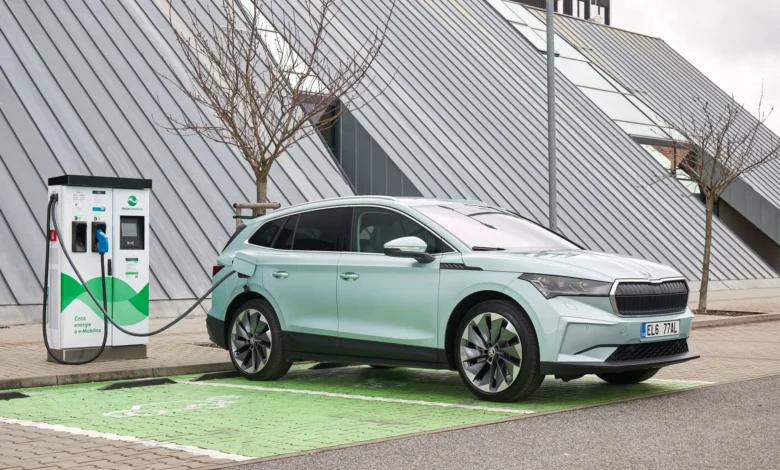
You can charge at home or at dedicated stations. Fast chargers replenish the battery up to 80% in just 40 minutes. It’s important to consider extreme temperatures, which can affect range.
Electric car maintenance is minimal. There is no oil, belts, filters, or spark plugs, and brake pads last four times longer. The only item requiring attention is the gearbox oil, which is changed every 30,000 kilometers. The rest involves checking the battery and electronics.
Key components
An electric vehicle consists of:
A traction electric motor
A battery pack
Electronics controller
Inverter
Cooling system
Charging port
Additionally, a 12-volt battery powers the headlights, multimedia, and power windows. The design minimizes the number of moving parts, which ensures high reliability.
Electric vehicles on the Spanish market
Major manufacturers such as Tesla, BYD, and Volkswagen are investing billions of euros in battery technologies and charging infrastructure. By 2026, more than 40 electric car models will be available in Spain, and the charging station network will cover all major cities and tourist regions.
Experts predict that by 2030, electric vehicles will account for over 60% of cars on the country’s roads. RUSSPAIN.COM continues to monitor the market’s development and brings you the latest news on future technologies.