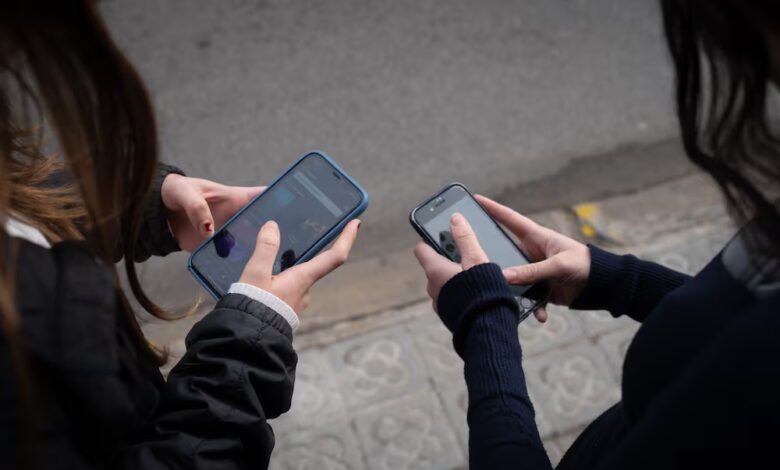
In Madrid, Sunday walks without a phone have become a kind of ritual for Liliana and me. We decided it was time to reclaim the sense of freedom that mobile technology once promised but in reality turned into invisible shackles. Every time we leave the house without a smartphone, it feels like we’re challenging the habit of being constantly connected. It’s not as easy as it sounds: the urge to check the screen, scroll through the news feed, and respond to notifications has become so ingrained in our daily lives that even a brief absence from our devices causes a mild sense of anxiety.
In these moments, the city reveals itself in a whole new way. Your attention shifts to the details: someone crossing the street, a dog running by, a new coffee shop opening on the corner, or a familiar scent in the air that suddenly transports you to the past. Sometimes disconnecting from the digital world brings discomfort, but more often it brings a surprising sense of calm. It turns out life around us is richer than it appears from behind a screen.
Family habits
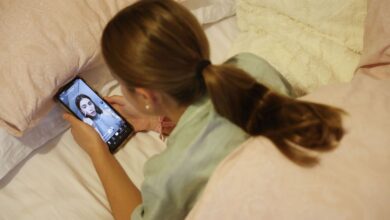
Liliana and I try not to let our daughter see us glued to our phones. We want her to find us reading a book, not endlessly scrolling. But the more we try to hide our dependence, the more obvious it becomes: we catch ourselves secretly checking our phones in the bathroom or behind a door, as if we’re doing something forbidden.
Our daughter is growing up in a world where the smartphone is an integral part of everyday life. We remember a time when the internet was available only on computers and mobile phones were used exclusively for calls. For her, though, digital reality is the only one that exists. That’s why we try to show her that there’s another way to live—that gadgets aren’t the center of the universe.
Experience in Ávila
We made our first attempt at a digital detox in Ávila back in 2019. The city, with its ancient walls and mystical atmosphere, seemed like the perfect place for an experiment. We left our phones at home, hoping it would help us connect with the present, and maybe even with something greater.
We discovered that our hands would instinctively reach for our pockets, and phantom vibrations reminded us of the habit of staying connected. We had to ask passersby for directions, check the time by the clock tower, and read the news in a paper newspaper over breakfast. In the evening, we watched a movie on television, timing trips to the kitchen with commercial breaks. It felt like stepping back in time, and there was a certain charm to it. We decided to try this experiment again, but each time it became harder to shake the thought: “What if something happens?”
Life Between Screens
There was a time when the internet was something separate, accessible only on a computer. Now, it’s everywhere—woven into every aspect of life—and sometimes it feels like reality only exists between screens. I’ve noticed that my ability to concentrate has suffered: as soon as I open a book, my brain immediately craves a fresh dose of information, like on social media. Every notification is a tiny hit of dopamine, and resisting this constant stream is harder than it seems.
We keep searching for a balance between the digital and the real. We try to show our daughter that life can be different, that real experiences don’t depend on the number of likes or new messages. But breaking the habit is an ongoing struggle, and every day brings a new challenge.