The opening of Bad Gyal’s world tour in Barcelona was a notable event for Spain’s music scene. Amid growing interest in urban culture and new forms of self-expression, the singer’s performance at Palau Sant Jordi demonstrated how audience expectations and show standards are evolving. For many Spaniards, this concert became not only a topic of music discussion, but also an example of how contemporary artists shape new role models and influence youth trends.
Stage and atmosphere
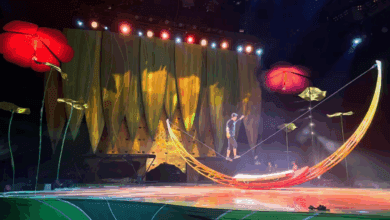
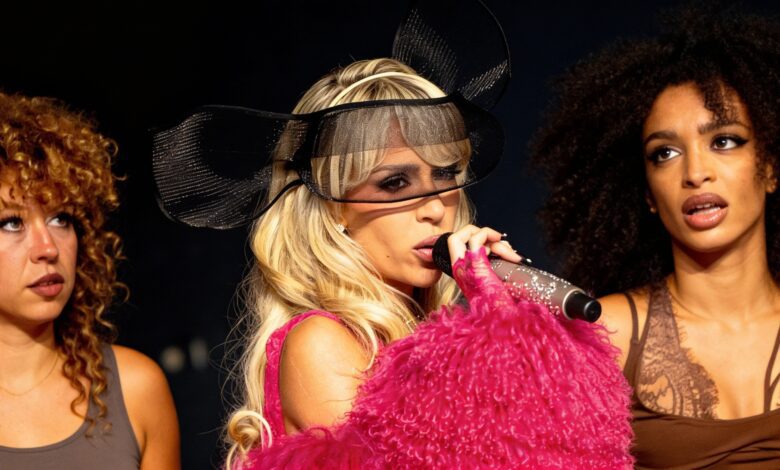
From the very first moments, Bad Gyal appeared on stage as an unattainable icon, like an expensive exhibit that can only be observed from afar. According to El Pais, the artist barely interacted with the audience, limiting herself to a short greeting and a closing phrase that highlighted her journey from an ordinary girl to an icon. The stage’s visual minimalism, the lack of frequent costume changes, and the focus on the performer herself all created a sense of distance between her and the public. At the same time, the venue was filled with young fans who, despite Bad Gyal’s reserve, supported her throughout every song.
The musical program was divided into four sections, covering nearly the entire new album Más cara alongside key hits from previous years. Her performance was accompanied by minimalist dancing and movements, with only rare moments of physical interaction with the dancers. In some tracks, such as “De por vida” and “Te daré la diosa,” the singer displayed a relaxed and effortless style that emphasized her unique approach.
Musical experiments
Bad Gyal went beyond her usual genres. The setlist featured elements of rhythm and blues, reggaetón, bachata, and even merengue/house, allowing the artist to showcase a range of musical influences. Special attention was drawn to tracks like “Un coro y ya”, “Más cara”, and “Noticia de ayer”, which included a nod to Latin American music classics. 8belial joined her on stage, adding energy to the concert’s final act.
Despite occasional pauses and moments when Bad Gyal was shown in close-up on the big screen, the overall impression of the show remained mixed. On the one hand, the artist confidently held the audience’s attention; on the other, the minimalism and lack of emotional connection sparked debate among fans. As El Pais notes, even with a reserved approach, the singer managed to trigger an emotional storm and turn the concert into a widely discussed event.
Audience reaction and symbolism
The crowd at Palau Sant Jordi responded enthusiastically to every song, especially hits like “Duro de verdad”, “De to”, and “Otra vez más”. During these moments, the arena became a single choir, with mobile phone lights creating a festive atmosphere. The final part of the concert featured a string of hits, including “Chulo pt. 2”, “Zorra”, and “Perdió ese culo”, causing real excitement among the audience.
The scenography and choreography were designed around the image of Bad Gyal as an untouchable figure surrounded by dancers, highlighting her status and influence. Even with minimal external effects, the artist managed to captivate the audience and evoke strong emotions. According to russpain.com, this approach may set a new trend for major concerts in Spain, shifting the focus from visual effects to the performer’s personality.
Context and comparisons
In recent years, Spain’s music scene has been undergoing a transformation, with artists experimenting with genres and stage personas. Such concerts are becoming a platform for discussing not only music but also social changes tied to youth culture. Recent events highlight a growing interest in exploring new facets of pop culture in Spain, as well as increased attention to issues of identity and self-expression. For example, the influence of historical events on the perception of modern culture was recently discussed in detail in a report on the country’s changing democratic processes — an analysis of changes in Spain’s political life.
In recent years, concerts by major artists in Spain have often become not only musical events but also a catalyst for discussions about new social trends. For example, performances by Rosalía and C. Tangana have sparked debate due to their unconventional approach to stage design and audience interaction. Such events highlight that the country’s music industry is continuing to evolve, with artists seeking new ways to express themselves and capture the audience’s attention.