Super Bowl 2026 will go down in history not only as a sporting event but also as a stage for a sweeping cultural shift. This year, the halftime show turned into a true battleground for Latino identity, with every performance acting as a bold statement. For the first time in the history of America’s biggest sporting celebration, Spanish-speaking artists not only took center stage but set the tone for the entire event, sparking a wave of emotions and heated debates on both sides of the Atlantic.
Bold decisions by organizers and performers gave millions of viewers worldwide a whole new perspective on the Super Bowl. Unexpected collaborations, provocative outfits, and open manifestos in support of cultural roots made the evening truly unforgettable. The spotlight was focused not only on athletic achievements but also on questions of identity, stereotypes, and social justice.
At the same time, controversy and criticism were unavoidable. Certain moments of the show puzzled even the most loyal fans, while some of the artists’ images became the subject of heated debates on social media. Yet it was these very sharp edges that made Super Bowl 2026 an event people will be talking about for years to come.
Latin American triumph
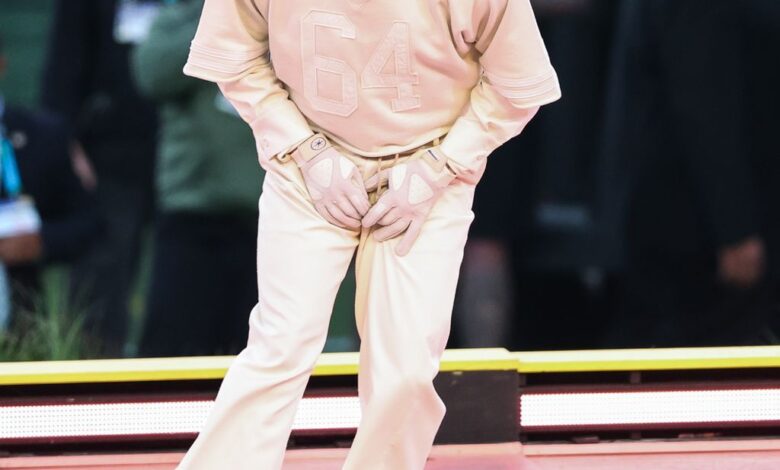
The main star of the evening was Bad Bunny, who not only ignited the stage with his appearance but also quite literally got America speaking Spanish. His look—a cream-toned suit reminiscent of street fashion—became a symbol of a new era. But even more important was his stance: the artist openly spoke out against social prejudice, supporting millions of Latin Americans whose voices often go unheard.
Lady Gaga was equally impressive, her appearance in an outfit filled with Latin American clichés sparking a wave of emotions. Despite the stylists’ controversial choices, her musical talent and energy won over even the most skeptical viewers. Ricky Martin’s presence crowned the triumphant parade of Latin American culture, bringing together artists on one stage who truly understand what it means to be part of a global community.
Pedro Pascal drew special attention, his elegant ‘Havana dandy’ ensemble adding sophistication and ease to the show. His appearance became a kind of bridge between tradition and modernity, while the overall cream and white dress code underscored the unity among the participants.
Fashion and Provocation
Jessica Alba, who took the stage in a combination of bodysuit and jeans, embodied boldness and femininity. Her look instantly made waves across fashion blogs, with fans debating whether she had set a new trend or if it was simply provocative for provocation’s sake.
However, not all fashion choices were met with enthusiasm. Karol G appeared in an outfit many dubbed a “ragged disaster,” yet this very look became a symbol of freedom of self-expression and a reminder that fashion is, above all, a way to make a statement. Her dance during “La Casita” was one of the night’s most talked-about moments, despite the mixed response from the audience.
Despite criticism of her burlesque costume and provocative boots, Cardi B energized the crowd with her charisma and energy. Her appearance turned into a real celebration for fans of Latin American culture, and the artist proved once again that she isn’t afraid to be herself on the world’s biggest stage.
Unexpected alliances and intrigue
Among the guests at the show, Kim Kardashian and Lewis Hamilton stood out in their strict black outfits, sharply contrasting with the evening’s overall color palette. Their joint appearance sparked a wave of rumors about a possible romance, but the celebrities chose not to comment, leaving the public guessing. Nevertheless, their presence was yet another confirmation that the Super Bowl is not only about sports and music but also a place for unexpected encounters and new alliances.
This year, the show stood out for its special atmosphere of unity and support. Even those whose looks did not fit the general style contributed to creating a unique vibe. Every participant, regardless of their chosen image, became part of a large cultural dialogue that extended far beyond the stadium.
Super Bowl 2026 showed that fashion, music, and social manifestos can coexist on one stage, creating a space to discuss the most pressing and relevant topics of our time. It was an evening when America greeted the world with ‘Hola’ instead of the usual ‘Hello’ for the first time, and this gesture was heard by millions.
Bad Bunny is a Puerto Rican singer and songwriter who has become a symbol of the new wave of Latin American music. His work stands out for its bold genre experiments and outspoken stance on social justice issues. In 2026, he became the first artist to perform the Super Bowl halftime show in Spanish, marking a true breakthrough for the entire Latin American diaspora in the United States. His performance not only sparked a storm of emotions but also became an important step toward recognizing America’s cultural diversity.