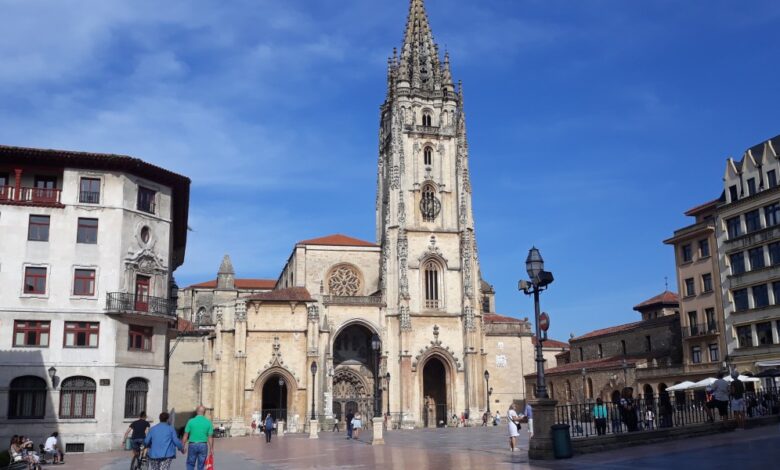
Oviedo, the administrative heart of Asturias, continues to amaze with its pace of life and demographic changes in 2025. In this city where history meets modernity, Oviedo has long become a magnet for students, professionals, and those seeking peace away from big cities. But what is the actual population of Oviedo today? And why, despite its status as the capital, is it outnumbered by another city in the region?
In recent years, Oviedo has significantly strengthened its position among medium-sized cities in Spain. The city is valued for its compactness, developed infrastructure, and a unique atmosphere that is hard to find elsewhere in the country. Oviedo not only preserves its historical heritage but is also actively evolving, a fact reflected in its demographic landscape.
Demographics and Figures
According to official data as of early 2024, Oviedo has a population of 220,543. This places the city 24th among the largest municipalities in Spain. For comparison, Oviedo’s population is similar to cities like Badalona and Sabadell, and it surpasses Cartagena and Jerez de la Frontera.
The city features thoughtful urban planning: neighborhoods are well connected, and the transportation system allows for quick travel to any part of Oviedo. This makes it attractive to families, students, and seniors who value comfort and safety.
Gijón vs. Oviedo
Although Oviedo is the capital of the autonomous community, the population leader is Gijón. In 2024, Gijón had 268,561 registered residents, making it not only the largest city in Asturias but also the sixteenth largest in Spain.
Gijón is traditionally associated with industry and port activity, while Oviedo serves as the administrative, educational, and medical center of the region. This division of functions creates a unique urban structure in Asturias, where each city plays its own role.
The Asturian Metropolis
The central part of Asturias has long become a single urbanized area. This so-called agglomeration includes not only Oviedo and Gijón, but also Avilés, Siero, Langreo, Mieres, Llanera, and a dozen more municipalities. In 2024, the combined population of this area reached 799,787 people.
Residents commute daily between cities for work, study, and leisure. This close interaction creates a special dynamic: the boundaries between municipalities are becoming less noticeable, while the region’s economic and social life grows increasingly integrated.
Housing and Expenses
The cost of living in Oviedo is a key concern for those considering relocation or real estate investment. As of November 2025, the average price per square meter of housing is €2,160. For renters, the situation is also attractive: the average rental rate is €10.6 per square meter.
Compared to major Spanish metropolises like Madrid or Barcelona, Oviedo offers a more affordable lifestyle. The city features quiet neighborhoods, a well-developed network of public services, and moderate prices for food and transportation. All these factors make it an attractive option for families, students, and retirees.
A city for living
Oviedo is renowned not only for its architecture and culture but also for its high level of safety. Local authorities place a strong emphasis on developing infrastructure, maintaining cleanliness, and creating a comfortable environment for all age groups. Cozy cafes, parks for walks, and modern educational institutions are easy to find here.
The city is actively attracting new residents by offering quality healthcare, a variety of cultural events, and a stable economic environment. This makes Oviedo one of the most attractive cities in northern Spain.
If you weren’t aware, Oviedo is not only the administrative center but also a major cultural and educational hub of Asturias. It is home to one of Spain’s oldest universities, as well as numerous museums and theaters. The city welcomes thousands of students and tourists every year, adding to its vibrancy and diversity. Oviedo is known for its festivals, gastronomy, and a unique atmosphere that sets it apart from other cities in the region.