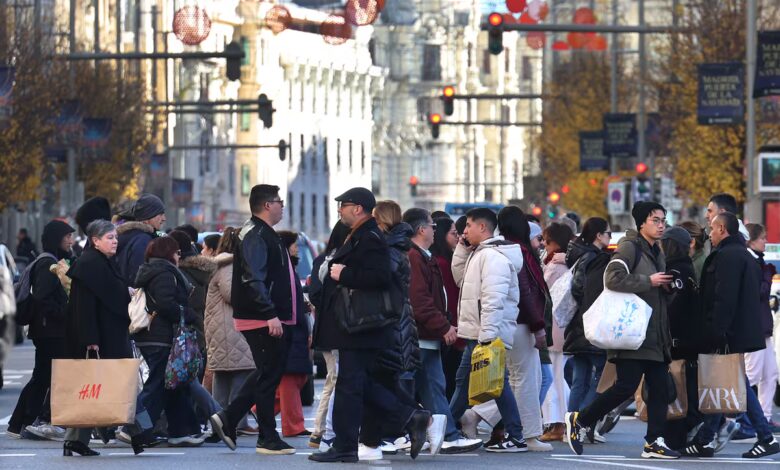
Interest in politics is rising in Spain: more than 57% of residents now say they follow political events with strong or significant interest. That’s slightly higher than a year ago. However, nearly one in five Spaniards admit politics barely concerns them. Meanwhile, over the past two years, the internet and social media have become the main source shaping citizens’ political views. Television has dropped to second place, while personal sympathy for candidates and their actions rank third.
Interestingly, almost a quarter of respondents admit their decision to vote or support a certain position often depends on specific actions or statements made by politicians. This shows that the candidate’s personality and behavior still matter, even as digital platforms grow in influence.
Government and the economy
Most Spaniards support the idea of government involvement in the economy. Nearly 69% believe the state should regulate certain sectors, especially those of public importance. However, only one in six is convinced the government should have full control over economic activity. Just a quarter of respondents oppose any state intervention.
When it comes to trust in institutions, the 1978 Constitution inspires the most confidence among Spaniards. Only 14% of respondents express maximum trust in it. At the other end of the spectrum are political parties, which are trusted the least. Trust in the government is also low, with an average score of less than 4 out of 10. More than 40% of citizens say they do not trust the current Cabinet at all, and nearly half see no change in their attitude toward the authorities over the past five years. More than a third believe government trust will only decline in the coming years.
Future Challenges
Spaniards are anxious about the future. They see war and hunger, along with poverty, unemployment, and climate change, as the main threats of the next decade. Most believe the gap between rich and poor countries will only widen, and military conflicts will become more frequent. Nearly 70% expect the flow of migrants from poor to wealthy countries to increase.
Expectations for social and economic change over the next ten years are also bleak. Nearly 70% of respondents believe there will be many changes, but 41% think these will mostly be negative. Slightly fewer—40%—are hopeful for positive developments.
Technology and Employment
Technological progress is viewed ambivalently by Spaniards. Most believe that in the coming years, companies will see an increase in industrial robots and automated systems. However, more than half fear this will lead to higher unemployment. A quarter expect the impact to be neutral, and only 12% see it as an opportunity to create new jobs.
The development of biotechnology, new energy sources, computer technology, genetic engineering, and artificial intelligence is expected to have a significant impact on business. Spaniards are convinced these changes will affect not only the economy but also daily life.
Social changes
Pessimism also prevails in assessments of social prospects. Most respondents expect worsening environmental conditions, more deaths from cancer, new epidemics similar to the recent pandemic, as well as an increase in natural disasters and manifestations of racism and xenophobia.
Another alarming trend is the rise in loneliness. Nearly 80% of Spaniards believe that by 2035, more people will experience loneliness or social isolation. There is also an expectation of weakening family ties, a rise in divorce rates, and declining birth rates. Most believe caring for elderly relatives will also diminish.
Health and personal care
Amid general pessimism, there is a glimmer of hope. More than 70% of Spaniards believe that in the coming years, people will pay more attention to their health and personal well-being. This is the only area where a majority expects positive change.