In the heart of Zamora province, where endless fields give way to scattered groves and roads disappear into golden landscapes, lies a tiny village few have ever heard of. In 2025, it became the least populated in the region. Here, among simple houses and old streets, life moves at its own pace, untouched by the bustle of big cities.
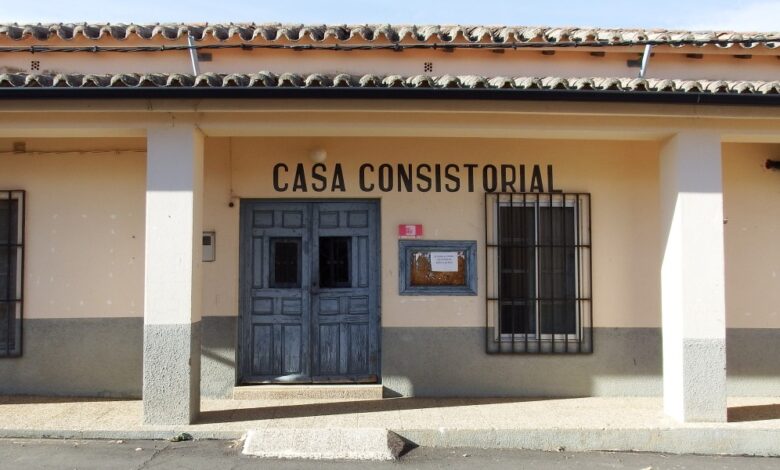
Local residents are never in a rush; each day is filled with steady work and neighborly conversations. In this corner of Castilla y León, where traditions are not just words but a way of life, you can truly feel at one with nature. The village of Matilla la Seca, located in the Toro district, is home to only 33 residents. This is more than just a statistic — it’s a challenge to time and demographic trends.
Life Among the Fields
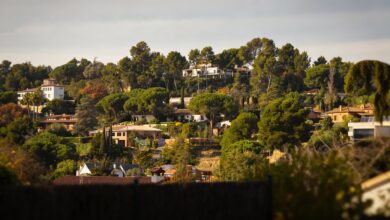
Matilla la Seca lies about twenty kilometers south of the provincial capital. Surrounded by fields and pastures, it seems suspended in eternal anticipation of change that never arrives. There is no traffic here; instead of city noise, there is only the wind rustling through the grain and the rare voices of locals. The village sits at over 700 meters above sea level, giving it a unique climate and character.
The history of this place traces back to the 12th century. At that time, Matilla la Seca was part of a network of medieval settlements closely linked with Toro. Today, not only have the old houses been preserved, but also the spirit of those times. Every resident knows each other by name, and festivals and customs are passed down through generations.
Quiet Everyday Life
Matilla de la Seca has none of the usual urban entertainments, but it offers something bigger—a sense of peace and safety. People here are not afraid to leave their doors unlocked, and children can walk the streets without worry. In the evenings, residents gather to catch up on news, share plans, and simply enjoy each other’s company.
Despite its modest size, the village is not cut off from civilization. Zamora is just a half-hour drive away, so all necessary services and shops are within reach. Still, many prefer to stay at home, because this is where they truly feel happy.
The smallest in area
Speaking of territory, another locality holds the record—Fresno de la Polvorosa. Covering just 4.07 square kilometers and home to 117 people, it lies in the northern part of the province, near Benavente, in a fertile valley crossed by the Orbigo River.
Fresno de la Polvorosa is known for its hospitality and strong agricultural traditions. Despite its tiny size, life here is vibrant: farms are in operation, local festivals are celebrated, and residents take pride in their history and regional roots.
Demographic challenge
The problem facing small villages in Zamora is not just their dwindling numbers. It is a reflection of the broader demographic crisis affecting all of Castilla y León. Alongside Matilla la Seca, other settlements also rank among the most sparsely populated: Pobladura de Valderaduey with 34 residents, Quintanilla del Olmo with 38, Fuentesecas with 43, and San Martín de Valderaduey with 47.
Each of these places has its own story. Pobladura de Valderaduey stretches along the banks of the river of the same name, where life goes on at its own pace and nature sets the rules. Quintanilla del Olmo is known for its traditional architecture and endless fields, while Fuentesecas offers the authentic atmosphere of rural Spain. San Martín de Valderaduey, surrounded by valleys and streams, stays true to its roots and agricultural way of life.
Preserving Traditions
Despite the challenges, the residents of these villages remain optimistic. They continue to support each other, celebrate local holidays, and preserve their distinctive customs. There is no place for indifference here—everyone feels like part of one big family. It is communities like these that become true guardians of Spanish identity, even in the face of time and urbanization.
In recent years, there has been growing interest in life in small rural settlements. More and more people are seeking solitude, tranquility, and a chance to return to their roots. Perhaps villages like Matilla la Seca will become a model for future generations eager to escape the hustle and bustle of city life.
RUSSPAIN reminds readers that Matilla la Seca is not only the least populated municipality in Zamora, but also part of the historical heritage of Castilla y León. The village is known for its agricultural traditions and unique atmosphere. In recent years, it has attracted the attention of demographers and travelers seeking authentic corners of Spain. Despite its small population, people continue to live here for whom their native land is more than just a spot on the map—it’s an integral part of their destiny.