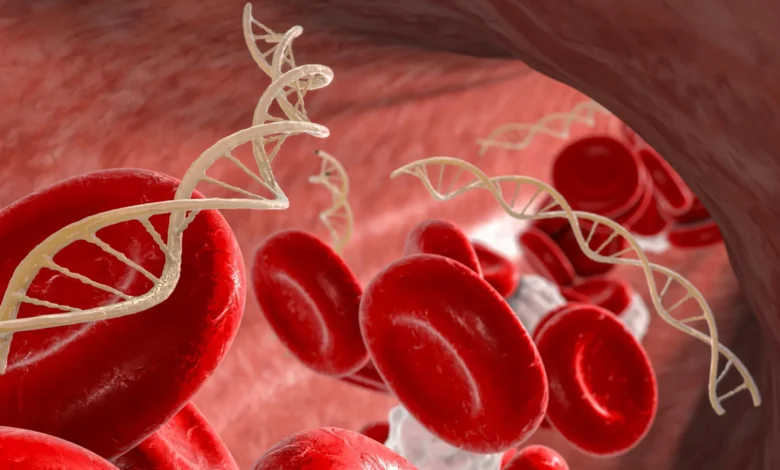
In recent years, Spanish oncologists have increasingly focused on new methods of personalizing therapy for patients with colorectal cancer. One of the most discussed approaches has been the assessment of circulating tumor DNA (ctDNA) in the blood. This biomarker, which appears after surgical removal of the tumor, can reveal a lot about the risk of recurrence and the effectiveness of subsequent treatment. In 2025, interest in ctDNA has surged, as fresh data from the United States has sparked lively debate within Spain’s medical community.
The discovery is straightforward: if tumor DNA is detected in a patient’s blood after surgery, the risk of recurrence rises dramatically. But what’s most intriguing is the effect of the drug celecoxib, which, it turns out, doesn’t work for everyone. For those with detectable ctDNA, adding this medication to standard chemotherapy significantly increases the chances of long-term remission. However, for patients without any trace of tumor DNA in their bloodstream, celecoxib provides no benefit. This approach could completely change treatment strategies in Spanish clinics.
A new era in diagnostics
Traditionally, after tumor removal, doctors prescribe the same treatment protocols without always considering the individual characteristics of each patient. However, ctDNA offers a path to more accurate prognosis. In Spain, pilot projects have already begun where blood tests for ctDNA are now a mandatory part of post-surgery patient monitoring. This approach not only helps to identify hidden risks, but also allows for treatment adjustments based on the test results.
A study conducted at Harvard Medical School involved nearly a thousand patients with stage three colorectal cancer. Circulating tumor DNA was detected in the blood of 173 of them. These individuals were monitored for six years, with every case of recurrence and survival rate carefully recorded. The findings showed that the presence of ctDNA in the blood increases the chance of cancer returning by more than six times. Moreover, patients with ctDNA had significantly lower survival rates.
Celecoxib: Who Needs It?
Celecoxib is a new-generation nonsteroidal anti-inflammatory drug that selectively blocks the enzyme cyclooxygenase-2. In Spain, it has long been discussed as a potential means of preventing colorectal cancer recurrence. Until recently, however, it was unclear exactly who might benefit from it. A new study has shed light on this question: only patients with detectable ctDNA in their blood actually see an increase in recurrence-free survival when taking celecoxib. For others, its use is unwarranted.
Interestingly, in the subgroup analysis of patients with microsatellite instability, the effect of celecoxib became statistically significant. This opens new horizons for personalized medicine and underscores the importance of molecular diagnostics in modern oncology.
Spanish experience and prospects
Leading oncology centers in Madrid and Barcelona have already started integrating ctDNA analysis into standard post-surgery monitoring protocols. Physicians note that this approach not only improves survival rates but also helps avoid unnecessary toxicity from treatments that offer no benefit. Patients with undetectable ctDNA can avoid excessive chemotherapy and its associated side effects.
At the same time, experts emphasize that, for now, this applies only to colorectal cancer. In the coming years, research is expected to expand to other tumor types to determine how universal this approach is. Discussions are already underway about the potential use of ctDNA for early diagnosis and real-time monitoring of treatment effectiveness.
The future of oncology
Spanish experts are confident that ctDNA will become an integral part of oncological practice in the coming years. This will not only increase the accuracy of prognosis but also make treatment as targeted as possible. Patients will benefit from an individualized approach, while the healthcare system will be able to use resources more efficiently.
However, questions remain. How often should ctDNA testing be performed? What other drugs might be effective for patients with a positive status? Research teams across Europe are looking for answers to these questions, and Spain is keeping up with the pace.
In case you didn’t know, Jonathan Nowak, who led the study, is considered one of the leading experts in molecular oncology. His team from Harvard Medical School has been searching for new biomarkers for early cancer diagnosis and prognosis for several years. Thanks to their work, ctDNA is gradually becoming a standard in global oncology practice, with Spanish clinics actively implementing these innovations in their work.