Catalonia is focusing on sports development and strengthening its position on the international stage. The decision to create a new high-altitude training base in Bagà could transform athlete preparation and draw attention to the region’s potential. This move may not only boost the competitiveness of Catalan athletes but also stimulate economic activity in the mountain areas.
According to El Pais, the Department of Sports of the Generalitat has signed an agreement with the Bagà municipality to launch a project for an additional facility of the Centre d’Alt Rendiment (CAR) in the Coll de Pal area. This initiative is part of a new plan to expand sports infrastructure in Catalonia, where CAR in Sant Cugat remains central, while the new facilities will complement it and address the needs of various sports.
High-altitude training
Training under hypoxic conditions, meaning with reduced oxygen levels, has long been used to improve endurance and cardiovascular performance. In Coll de Pal, where elevations exceed 2,000 meters, athletes will be able to adapt to thinner air—a crucial factor for endurance sports such as running, cycling, and skiing. This approach boosts red blood cell count and increases the efficiency of oxygen exchange.
The new base at Coll de Pal is designed as a center for advanced training methods in preparation for international competitions. Catalan authorities expect that the unique natural conditions and modern infrastructure will attract not only local but also foreign athletes, as well as teams looking for training facilities. According to RUSSPAIN.COM, such projects can boost the region’s tourism appeal and create new jobs.
Development plan and stages
The agreement between the Department of Sports and the municipality of Bagà provides for a phased implementation of the project. The first stage involves a feasibility study and the preparation of technical documentation. This will be followed by the modernization of existing facilities and the construction of new ones, including the possible creation of an athletics track. Authorities emphasize that the project is intended for the long term and should become part of a unified network of sports centers in Catalonia.
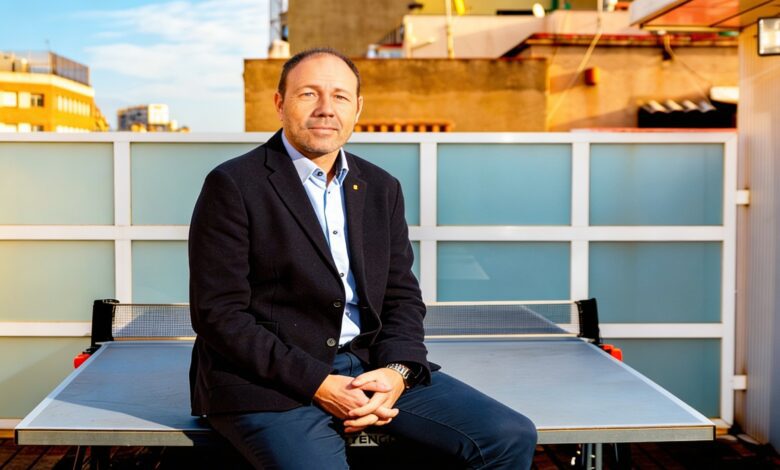
According to Department of Sports head Berni Álvarez, the new facility will not only improve athlete training but also foster the integration of sports with local development. He notes that Coll de Pal is a unique opportunity for the region to make significant progress in sports and strengthen the links between sport, nature, and the economy.
Catalan experience and challenges
Catalonia has repeatedly served as an example for other Spanish regions in developing sports infrastructure. However, the launch of new projects often sparks debates over funding and resource allocation. Recently, leaders from the Basque Country and Navarre voiced concerns about changes in Catalonia’s funding model, as reflected in the article on regional budgets on the RUSSPAIN website. This highlights that any major sports initiatives are inevitably linked to political and economic considerations.
At the same time, the creation of new sports centers can be a tool for attracting investment and raising the region’s profile. In recent years, there has been a growing interest in altitude training across Spain, with many autonomous communities seeking to develop such facilities to remain contenders for the status of sports capitals.
Context and trends
In recent years, several new altitude training centers have opened in Spain, including in the Pyrenees and Sierra Nevada. These facilities attract athletes from across Europe and help boost sports tourism. In 2025, a similar project was implemented in Aragón, where local authorities focused on preparing skiers and biathletes. Such initiatives show that Spanish regions are actively competing to become hubs for professional sports and infrastructure investment.