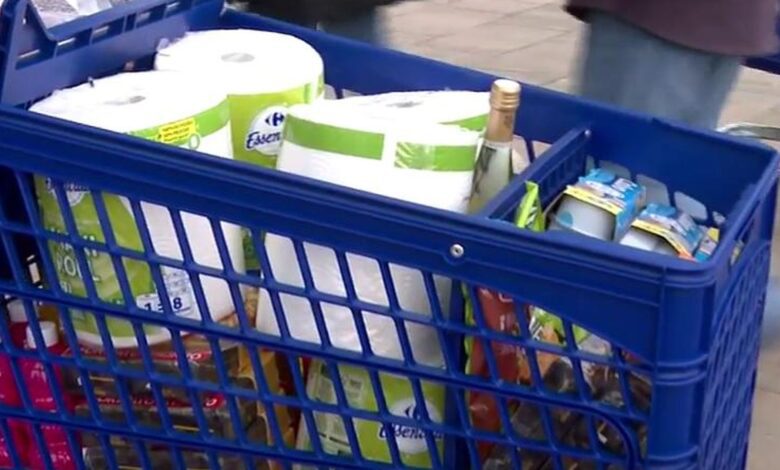
Spain has experienced an unprecedented rise in the cost of living over the past decade. Financial analysts note that expenses for the average family have soared by an impressive 78%, placing the country among the top three European nations with the highest increase, surpassed only by Hungary and Portugal. On a global scale, the rate is more modest but still striking—about 50%. For many Spanish households, this situation has become a real puzzle, where balancing the monthly budget requires creativity and strict discipline.
Amid increasing financial pressure, advice from personal finance experts is becoming ever more valuable. They claim that even without a major lifestyle change, it is possible to free up a substantial amount of money. We’re talking about up to a thousand euros a year, simply by adopting a few practical habits. These seemingly minor adjustments can make a significant difference to the family budget.
The first step towards saving money can start right in the kitchen. Rethinking your approach to cooking opens up unexpected opportunities. For example, buying an air fryer—a hit in recent years—can significantly reduce the consumption of vegetable oil. While the initial investment in such a device may seem considerable, there are many budget models available on the market. By switching from pan-frying to using this gadget, families can save up to 150 euros per year.
The next aspect is home lighting. Replacing traditional incandescent bulbs with modern LED alternatives is one of the most effective ways to lower electricity bills. LED bulbs not only consume much less energy but also last significantly longer, eliminating the need for frequent replacements. This switch is not only financially beneficial—saving around 200 euros per year—but also helps protect the environment by reducing energy consumption.
Car owners should also reconsider their habits. The choice of where to refuel plays a significant role in overall spending. The price difference per liter of gasoline or diesel between major brand stations and ‘low-cost’ gas stations can be substantial. Opting for cheaper stations—which still meet all fuel quality standards—can save an additional 200 euros annually.
Finally, the most significant contribution to budget optimization can come from reviewing insurance policies. Insurance companies often attract new clients with very competitive first-year rates, but quietly increase the price when renewing the contract. Many consumers continue to pay out of habit, without researching the market. However, monitoring offers from other insurers every year or negotiating a discount with the current company can yield substantial benefits. Potential savings in this area are estimated at up to 450 euros.
Thus, a comprehensive application of these four simple methods not only helps adapt to new economic realities but can also significantly improve the family’s financial situation. Careful attention to everyday expenses and periodically reviewing regular payments is the key to stability amid rising prices.