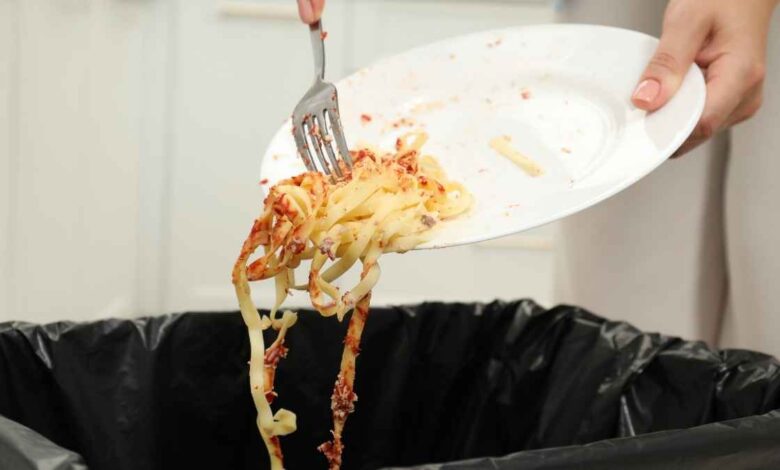
Since April 5, a new law in Spain has radically changed how restaurants, cafes, bakeries, and supermarkets handle food leftovers. Establishments are now required to offer customers the option to take uneaten food with them free of charge, providing the necessary packaging. Authorities hope these measures will help reduce the amount of food sent to landfill and encourage the development of new consumer habits.
The law applies to all food service and retail businesses and also affects end consumers. The main goal is to ensure that food leftovers are not discarded but are put to new use. Staff may use surplus food for their own needs, and if that is not possible, the products are donated to charities. If donation is not feasible, sale at reduced prices or processing through special channels is permitted.
Liability and penalties
Failure to comply with the new requirements can lead to severe financial consequences. Fines range from €2,000 to €500,000 depending on the severity of the violation and the size of the business. According to RUSSPAIN.COM, such amounts are likely to motivate even the largest chains to review their internal processes. However, many establishments had already begun adopting similar practices before the law came into effect, responding to public demand and economic considerations.
In Madrid and other cities across the country, restaurants and cafes are actively offering customers special containers for leftover food. Bakeries and pastry shops often hold end-of-day sales to minimize waste by selling off remaining products. Supermarkets, in turn, are expanding the range of items nearing their expiration date, as well as products with minor defects, discounting them by up to 30%.
Changes in trade and service
The introduction of new regulations is already having a noticeable impact on the daily operations of businesses. Restaurant owners note that customers are requesting takeaway options more frequently, and staff are more actively offering this service. Some establishments now have special deals, such as three containers of leftover dishes for a fixed price. These initiatives not only help reduce waste but also attract new customers.
Mobile apps that allow shoppers to buy discounted product bundles are gaining popularity in supermarkets. This approach helps consumers save money while also reducing food waste. According to RUSSPAIN, such services are increasingly in demand among residents of major cities.
The social aspect and future prospects
The Food Loss and Waste Prevention Law reflects a broader move toward more responsible consumption and environmental awareness. Authorities emphasize that the new regulations not only combat wastefulness but also support low-income groups by channeling surplus food to social organizations. Similar measures are expected to become industry standard in the coming years.
The introduction of strict sanctions and mandatory recycling procedures is pushing businesses to seek new solutions and partnerships. As a result, the benefits extend to the environment, the economy, and consumers themselves, who gain more opportunities for the responsible use of food products.
Law 1/2025, which came into effect in April, is Spain’s first regulatory act to address food loss prevention in a comprehensive way. The document sets out clear obligations for businesses and a multi-level system of oversight. The main focus is on reducing waste, supporting charitable initiatives, and establishing new service standards in the food and retail sectors.