While automotive giants debate how to survive in an era of strict emissions control and rising fuel prices, Dacia simply launches the 2026 Sandero with a hybrid gas engine capable of traveling up to 1,600 kilometers without refueling. For those tired of endless ‘green future’ promises and unwilling to pay for electric cars, this move challenges the entire industry. Practicality, savings, and zero pretense—these are what truly matter to buyers, not another pointless cabin feature.
Instead of chasing the electric car trend, Dacia relies on tried-and-tested solutions: the new Sandero, Sandero Stepway, and Jogger are equipped with a turbocharged three-cylinder 1.2 engine that runs on both gasoline and liquefied petroleum gas (GLP). Power has increased to 120 hp, and a dual-clutch automatic transmission has finally made its way into the budget segment. For fans of good old manual driving, a six-speed manual gearbox remains available.
But the real highlight is autonomy. With a new 49.6-liter gas tank and the ability to combine two types of fuel, the Sandero can now travel nearly 1,600 kilometers on a single run. For comparison, most electric cars still dream of reaching even half that distance. In city mode, the hybrid system enables up to 80% of driving in electric mode—especially relevant for those weary of traffic jams and constant refueling.
Tech without the excess
Inside, the 2026 Sandero doesn’t try to impress with luxury or unnecessary gadgets. Instead, it features an updated multimedia system with a 10-inch screen, wireless smartphone charging, and a 7-inch digital instrument cluster. Everything is straightforward, intuitive, and works flawlessly. For those who value functionality over showiness, it’s a real lifesaver.
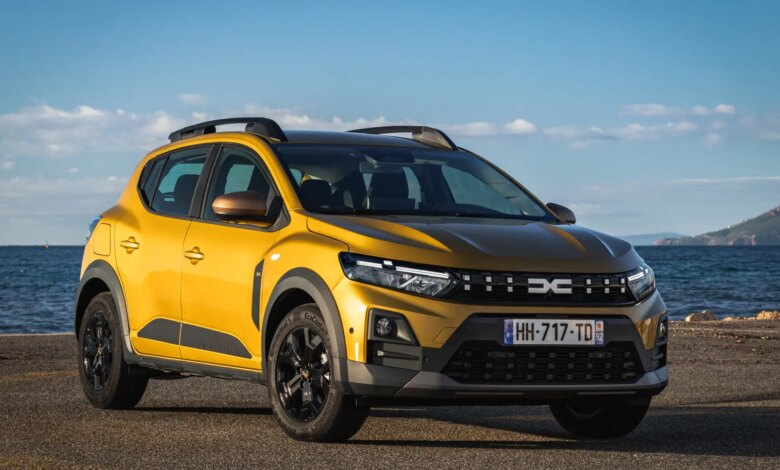
The exterior has also been updated: new grilles, LED headlights with a distinctive upside-down ‘T’ design, and a fresh look for the taillights, which now stretch from the trunk glass to the fenders. Altogether, this gives the car a more modern and even slightly aggressive look, although Dacia still isn’t aiming for the premium segment.
Still, there are a couple of pleasant surprises inside: for the first time, the steering wheel features paddle shifters, and the trim materials feel a bit nicer to the touch. But don’t expect miracles—cost-saving remains the brand’s main principle, and that’s perhaps the most honest approach on the market.
Hybrids and gas: betting on real-world solutions
While competitors argue over whether a pure electric car or a conventional combustion engine is better, Dacia offers a compromise that truly works. The hybrid Sandero combines a 1.8-liter gasoline engine (109 hp), a 50-hp electric motor, and a small 1.4 kWh battery. As a result, it delivers a total of 155 hp and lets you save fuel in city traffic without the hassle of constant charging.
Gas-powered range has increased by 20%, and in hybrid mode, the Sandero, Stepway, and Jogger achieve results that give even the most devoted electric car fans something to think about. The Sandero — up to 1,590 km, the Stepway — up to 1,480 km, and the Jogger — up to 1,450 km. For family trips, long journeys, or daily commutes, this is almost the ideal choice.
All this comes with a refreshed exterior: plastic fender flares, new bumpers, and updated design elements make the car noticeably more modern. But the key point is that Dacia doesn’t try to sell you what you don’t need. There’s no autopilot, no useless assistants—just a fair price and real savings.
No-nonsense leadership
There’s a reason the Sandero became Spain’s best-selling car in 2025—38,548 new vehicles on the country’s roads speak for themselves. Over 20 years on the market, more than 3.5 million units have been sold worldwide. That’s no coincidence, but the result of a clear strategy: build simple, reliable, and affordable cars for people who don’t want to pay extra for trendy gimmicks.
In 2026, Dacia continues charting its own course, ignoring fads and marketing tricks. Rather than promising miracles, the brand offers concrete solutions for real people. The new Sandero, Stepway, and Jogger aren’t trying to impress; they’re a reminder to the market that common sense is still alive.
In an era when even budget cars try to look premium, Dacia stays true to itself. The irony is that this is exactly why millions of buyers across Europe choose it. While others argue about the future, the Sandero simply keeps moving forward—and does it better than anyone else.
Dacia is a Romanian brand that is part of the Renault Group, and over the past two decades, it has gone from outsider to one of the leaders in the European market. The secret to its success is simple: a focus on practicality, minimalism, and honest pricing. The Sandero has become a symbol of affordability and reliability, and the 2026 update only reinforces the brand’s position among those who value common sense over fleeting trends.