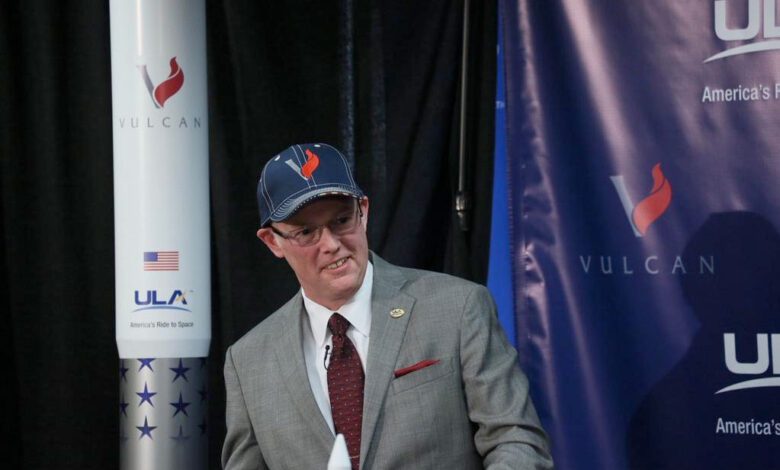
United Launch Alliance (ULA) has announced a leadership change: Tory Bruno, who has led the company since 2014, is stepping down. During his tenure, ULA underwent major transformations, including launching new rockets and facing intense industry competition. Bruno is leaving to pursue a new project, though details remain confidential. In a post on social media, he stated that he had accomplished all the goals he set out to achieve at ULA and is now ready for new challenges.
Bruno took the helm at ULA during a challenging period. The satellite launch market was entering an era of fierce competition in technology and pricing, with rivals like SpaceX beginning to pioneer reusable rockets. Under his leadership, ULA not only maintained its position but also kicked off the development of the next-generation Vulcan Centaur rocket, which is set to become the backbone of future missions.
For nearly twelve years, Bruno was the face of ULA, responsible for strategy and growth, as well as key partnerships with Boeing and Lockheed Martin. Under his leadership, ULA completed the Delta rocket era and pivoted to new technologies to keep pace with private sector competitors.
Challenges and Change
Bruno’s tenure at ULA coincided with a surge in competition across the space industry. Elon Musk’s SpaceX revolutionized the field by landing the Falcon 9’s first stage for the first time in 2015. This milestone became a turning point for the whole sector, and ULA had to urgently seek ways to cut launch costs and boost efficiency.
In response to new challenges, ULA began developing the Vulcan Centaur—a next-generation rocket designed to replace the outdated Atlas V and Delta launchers. Special emphasis was placed on partial reusability of components, particularly the BE-4 engines developed by Blue Origin. While ULA has yet to match SpaceX in reusability, the company is steadily moving in that direction.
Bruno has repeatedly stressed that the main priority is to ensure reliability and safety for every launch, while maintaining competitiveness. Under his leadership, ULA carried out dozens of successful missions, serving both the U.S. government and commercial clients.
A new chapter for ULA
Following Bruno’s departure, John Elbon, a Boeing veteran, will serve as interim CEO. The board of directors has already begun searching for a permanent successor who will not only continue ongoing reforms, but also take the company to the next level.
In their official statement, representatives from Lockheed Martin and Boeing thanked Bruno for his contributions to ULA’s development and noted that his leadership helped the company navigate challenging times. Now, the new management faces the task of strengthening ULA’s market position and completing the rollout of Vulcan Centaur.
In the coming months, ULA must not only complete testing of its new rocket, but also adapt to shifting market conditions. The company’s future and its role in space exploration will depend on how successfully it manages this transition.
The future of missions
Experts note that Bruno’s departure could be both a challenge and an opportunity for renewal. Facing tough competition from private companies, ULA must not only innovate but also seek new partnerships. The question of who will lead the company in the long term remains unanswered.
Meanwhile, ULA employees and partners are expressing gratitude to Bruno for his years of service and are eager to hear about his next project. Bruno himself has pledged to support the company and follow its future successes from the sidelines.
In case you didn’t know, United Launch Alliance is a joint venture between Boeing and Lockheed Martin, established in 2006 to operate the Atlas and Delta rocket launches. The company specializes in placing satellites into orbit for governmental and commercial clients, and also participates in US national space programs. Over the years, ULA has carried out hundreds of successful launches and is considered one of the key players in the space services market.