The question of who will govern Castilla y León after the March elections takes on particular urgency against the backdrop of political instability in Spain. For the region’s residents, this is more than just a routine power shift—it’s about the possible change in political direction that will determine the future of education, healthcare, and social support. As traditional alliances lose ground and new political forces gain momentum, every decision could impact the lives of millions.
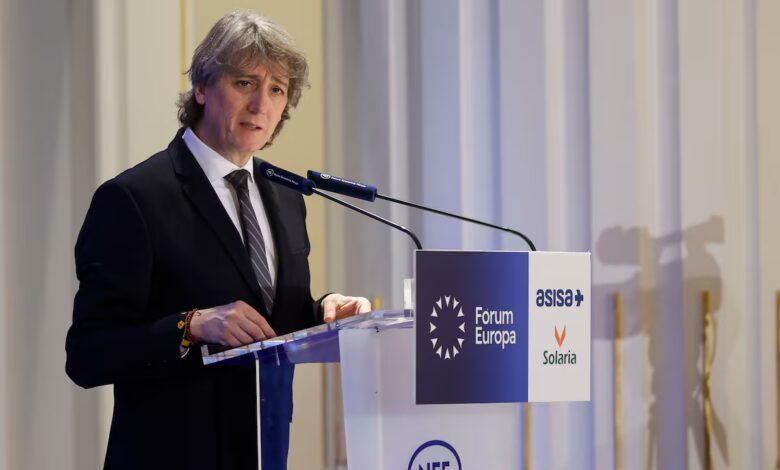
Carlos Martínez, who leads the region’s socialists, made a surprising proposal: after the March 15 elections, executive power should go to the party that wins the most votes. Moreover, he publicly pledged to recognize the victory of his opponents if the Partido Popular (PP) comes out ahead. According to him, this move would help keep radical forces at bay and maintain stability in the region. Martínez emphasized that if PSOE ends up in opposition, the socialists will support legitimate authority, expecting a similar attitude if they win.
A political challenge
However, his proposal has yet to receive a response from the current regional president, Alfonso Fernández Mañueco. While the Socialists insist on transparency and honesty, members of the PP prefer to remain silent. This silence only fuels rumors about possible backroom deals and new alliances, especially given that polls predict a potential majority for the PP in coalition with Vox.
The Socialists’ internal calculations, however, paint a different picture: due to a split among conservatives, the PSOE could take first place. It is important to note that the People’s Party has governed the region without interruption since 1987, making the situation unique across the country. Martínez calls this a “democratic anomaly” and believes that it is time for change.
A look to the future
At a recent event attended by key figures from the federal PSOE leadership, Martínez did not hold back his emotions when speaking about the need for a change in power. He openly criticized Mañueco, calling him the worst president in the region’s history. Among those present were Minister Elma Saiz, Minister of Industry Jordi Hereu, as well as former regional leader Luis Tudanca.
The issue of financing the autonomous communities also became a key topic of discussion. Martínez pointed out that the current distribution system does not reflect the real needs of different regions. In his view, allocating equal resources to territories with varying population densities and age structures leads to inequality. He stressed that ensuring equal rights for citizens is only possible with fair financing; otherwise, weaker regions end up trapped in a cycle of constant cutbacks and unable to invest in development.
Financial disagreements
Martínez expressed cautious optimism about the central government’s proposals but believes they are insufficient for the needs of Castilla y León. He emphasized that the issue is not about privileges but about equal opportunities for all citizens. According to him, if the system fails to factor in the actual costs of providing services, the region will either have to cut social programs or forgo investments, further widening the gap.
Ahead of the elections, the political atmosphere in the region is becoming increasingly tense. The question of who will take responsibility for the future of Castilla y León remains open. The decision made now could set a precedent for the entire country and shift the balance of power on Spain’s political map.