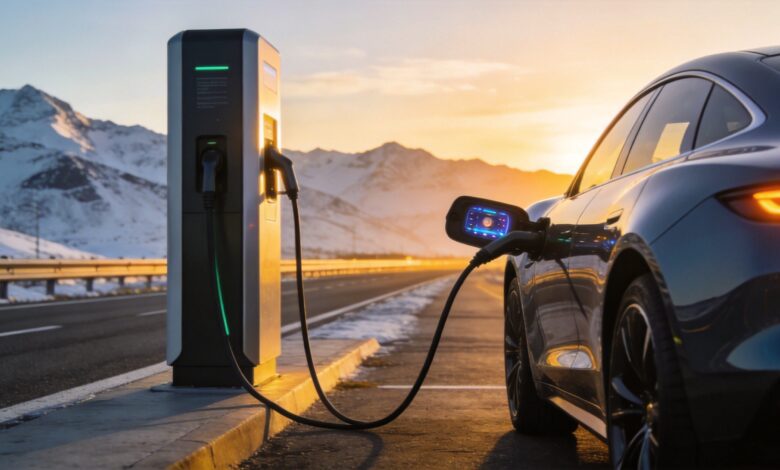
The arrival of electric vehicles equipped with batteries capable of covering up to 1,000 kilometers on a single charge and recharging in just minutes no longer seems like science fiction. In 2026, these cars will become available to buyers, fundamentally changing the way people choose transport for long-distance travel and daily commutes. The new technology promises not only an extended driving range but also improved safety, and addresses the issue of power loss in low temperatures.
The transition to solid-state and semi-solid-state batteries means that electric vehicles will no longer be limited to city driving. Now they can compete with diesel and gasoline cars on long routes, and owners can forget about the fear of running out of charge far from home. According to russpain, the first commercial models with such batteries will appear on the roads in just two years, creating a noticeable gap between generations of technology.
A technological breakthrough
The main innovation of the new batteries is the replacement of liquid electrolyte with solid or semi-solid materials. This solution eliminates the risk of fire during accidents and overheating, making operation safer for everyone on the road. Moreover, the chemical stability of the new components ensures high efficiency even in severe frost, which is especially important for northern regions of Europe.
Manufacturers promise that electric vehicles equipped with these batteries will be lighter and more compact, resulting in better acceleration and handling. The higher energy density makes it possible to reduce the battery’s weight without sacrificing range, which will have a positive impact on tire wear and overall operating efficiency. As a result, new models will be more appealing to those who have previously doubted the practicality of electric cars.
Impact on the market
The arrival of vehicles with solid-state batteries will force a reassessment of prices for used electric cars with lithium batteries. The difference in range and charging speed will become obvious, and outdated models may quickly lose value. For buyers planning to change their car in the coming years, this becomes an important reason to wait for new technologies.
However, mass production and cost reduction of these new batteries is not expected before 2030. Until then, both current lithium and the first solid-state solutions will be available on the market, creating a unique situation for car enthusiasts. Everyone will be able to choose the option best suited to their budget and travel range needs.
Safety and trust
One of the key advantages of the new batteries will be minimizing the risk of fire in the event of accidents or short circuits. This will increase public trust in electric vehicles, especially among those hesitant to switch to electric due to fire-related rumors. In addition, the stable performance of the batteries in extreme temperatures will allow electric cars to be used in any climate without fear of power loss.
Reliability and durability remain at the forefront, as these factors determine ownership costs and the residual value of the vehicle. As the experience of Chinese manufacturers shows, identifying and addressing problems early in the introduction of new technologies is crucial for market success. For example, an analysis of electric vehicle issues in China revealed that even industry leaders face unexpected challenges, underscoring the importance of continuous quality control.
Solid-state battery technology is not just another phase of development, but a fundamental shift in the approach to electromobility. In the coming years, familiar perceptions of driving range, charging times, and safety will be redefined. For those who value innovation and refuse to compromise, 2026 will mark the starting point of a new era on the roads.
Solid-state batteries are next-generation batteries that use a solid or semi-solid material instead of a liquid electrolyte. This approach increases energy density, reduces weight, and extends battery life. These advantages make electric vehicles safer, more efficient, and suitable for operation in any climate. Leading automotive manufacturers are already investing in the development and implementation of this technology, expecting it to become the industry standard in the coming years.