On the night of December 22 to 23, residents across ten U.S. states may witness a rare natural phenomenon—the Northern Lights. The event is triggered by a stream of solar wind expected to cause a minor category one geomagnetic storm, according to experts. This creates a unique opportunity to see the aurora far outside the usual northern latitudes.
According to space weather specialists, the impact of the solar wind will last through December 24. This means astronomy enthusiasts and anyone captivated by natural beauty have several evenings to try and catch colorful flashes in the sky. Those living in states within the projected visibility zone will be especially lucky.
Geography of the phenomenon
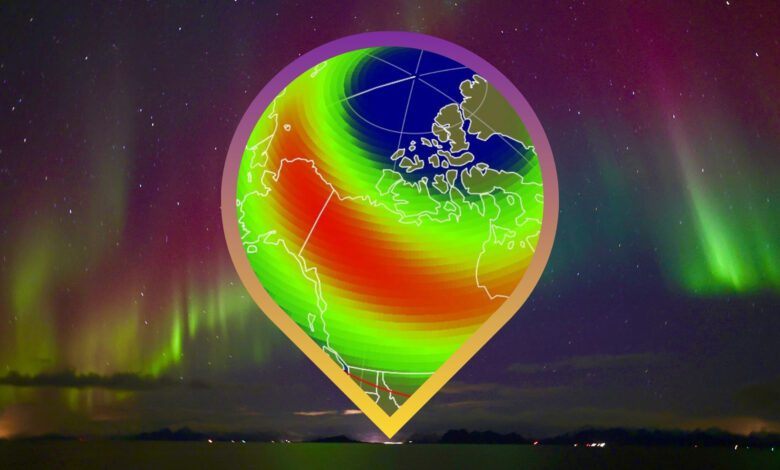
Based on the latest forecasts, the lucky states include Alaska, Washington, North Dakota, Minnesota, Montana, Maine, Michigan, Wisconsin, South Dakota, and Idaho. These regions fall fully or partially above the baseline where the aurora may appear. However, as experts note, the exact boundaries could shift—everything depends on the storm’s intensity and local weather conditions.
If geomagnetic activity intensifies, the Northern Lights could be visible further south. Even at minimum intensity, the chances of seeing the aurora in these states remain high. The key is to choose a spot far from city lights and wait for darkness.
Best time for viewing
The peak period of activity is expected between 4:00 p.m. and 10:00 p.m. Eastern Time (9:00 p.m.–3:00 a.m. GMT). During these hours, the chances of seeing bright flashes in the sky are at their highest. Residents of the affected states are advised to prepare in advance: choose a viewing spot with a clear northern horizon and minimal light pollution.
For those who want to improve their chances, experts recommend using a smartphone camera. Modern phones can capture faint aurora displays that the naked eye may miss at first. It’s also important to let your eyes adjust to the darkness—spend about half an hour outside away from bright lights.
Tips for aurora chasers
To make sure you don’t miss this rare phenomenon, it’s best to get ready in advance. Dress warmly and comfortably—sometimes you may have to wait several hours. Don’t forget to bring a thermos with a hot drink and plenty of patience: the Northern Lights often appear suddenly and don’t last long.
Mobile technology enthusiasts are advised to install dedicated space weather tracking apps. Among the most popular are My Aurora Forecast & Alerts and Space Weather Live. These will help you determine when and where the aurora is most likely, and provide tips for observing and photographing it.
Photographing the aurora
For those eager to capture the Northern Lights, there are a few important tips to keep in mind. Using a tripod and a long exposure is best for clear, vibrant shots. Don’t forget about ISO settings—higher sensitivity allows you to catch more detail in your photos. If you lack night photography experience, you can follow ready-made guides in apps or on specialized forums.
Even if your photo doesn’t turn out perfect, simply witnessing this natural phenomenon offers unforgettable memories. The key is not to miss the moment and to be ready for nature’s surprises.
If you didn’t know, the National Oceanic and Atmospheric Administration (NOAA) is the leading U.S. agency monitoring space weather and forecasting geomagnetic storms. The NOAA Space Weather Prediction Center regularly publishes updates on the chances of seeing the Northern Lights and other atmospheric phenomena that affect daily life and technology in the U.S. and worldwide.