In today’s world, where borders are increasingly blurred and remote work allows people to live anywhere on the planet, choosing the perfect place to live has never been more relevant. Many are considering relocation, seeking a city that offers not only career opportunities but also a high quality of life. A newly published authoritative ranking of global livability for 2025 provides a comprehensive answer to this question, analyzing dozens of factors across more than 170 cities worldwide. The results show that the most attractive metropolises are concentrated in Europe and the Asia-Pacific region.
Global rankings: who is on top?
Copenhagen claims the top spot among the best cities to live in. The Danish capital scored an impressive 98 out of 100 possible points. Experts praised its stability, exemplary education system, and developed infrastructure. Near-perfect scores were given for healthcare, as well as for its cultural scene and environmental quality. Copenhagen has long been renowned for its focus on sustainable development, cycling culture, and high level of public safety, all of which are reflected in the final figures.
Vienna was just slightly behind the leader. The Austrian capital scored 97.1 points, taking second place. Last year, it topped the list, but a slight drop in its stability score—linked to isolated security incidents—pushed it down to second. Nevertheless, Vienna continues to excel in healthcare, education, and infrastructure, remaining one of the most comfortable cities in the world.
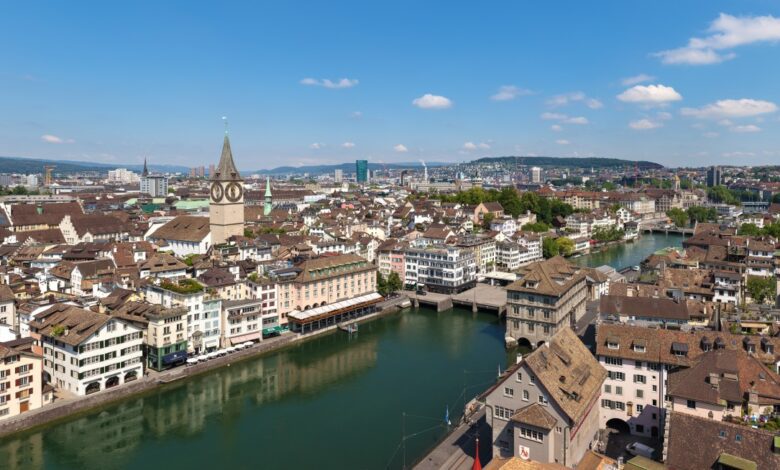
Sharing third place with Vienna is Zurich, Switzerland, which also scored 97.1 points. This city is not only a global financial hub but also offers an excellent healthcare system and top-tier education. Residents enjoy cleanliness, order, and close proximity to stunning nature, all of which make Zurich extremely attractive for living.
Perfect living criteria: how is the index compiled?
To understand why these particular cities topped the list, it’s important to look at the study’s methodology. Analysts assess 173 cities worldwide using more than 30 qualitative and quantitative criteria, grouped into five main categories. The first is stability, taking into account crime levels, terrorist threats, and the risk of civil unrest. The second category is healthcare, which evaluates the accessibility and quality of both public and private medical services. The third group, culture and environment, analyzes everything from climate and corruption levels to cultural and sports offerings. The fourth category is education, focusing on the availability and quality of educational opportunities. Finally, the fifth category is infrastructure, which looks at the quality of roads, public transport, energy and water supply, as well as housing availability.
Rounding out the top ten: from Melbourne to Vancouver
Melbourne, Australia, ranked fourth with a score of 97, a city traditionally recognized for its outstanding performance in healthcare and education. Close behind is Geneva, Switzerland, in fifth place with a score of 96.8, also demonstrating near-perfect results in these categories. Sixth place went to another Australian city—Sydney, with 96.6 points.
Osaka, Japan, scored 96 points and shared seventh place with Auckland, New Zealand. Auckland received particularly high marks for its education system and cultural life. Adelaide took ninth place (95.9 points), making it the third Australian city in the top 10. Rounding out the prestigious list is Vancouver, Canada, which scored 95.8 points and reaffirmed its status as one of the most desirable cities to live in North America. Overall, the ranking clearly shows that cities with developed social infrastructure, high safety standards, and well-designed urban environments continue to lead in quality of life.