The situation in Madrid once again took center stage after a heated first city council meeting of the year. For residents of the capital, this is more than just another political squabble: decisions made at these meetings have a direct impact on quality of life, housing affordability, and street safety. This time, the discussion went beyond standard debate, turning into a real battleground for sharp accusations and unexpected statements.
On one side, Mayor José Luis Martínez-Almeida’s team insists that the city is becoming cleaner, safer, and more modern. According to them, Madrid leads in the construction of affordable housing, and the education system is free from ideological influence. The main threat to the capital, in the view of the authorities, remains the central government’s policy, which they call “Sanchismo.”
A divided city
The opposition, on the other hand, contends that Madrid is split into two worlds. One is for the wealthy; the other, for ordinary residents who face rising rent prices, a shortage of kindergarten slots, and growing difficulties in accessing healthcare. More than 6,000 young children were unable to get places in municipal childcare facilities, and waits to see doctors are getting longer. According to the opposition, the current administration is ignoring these problems.
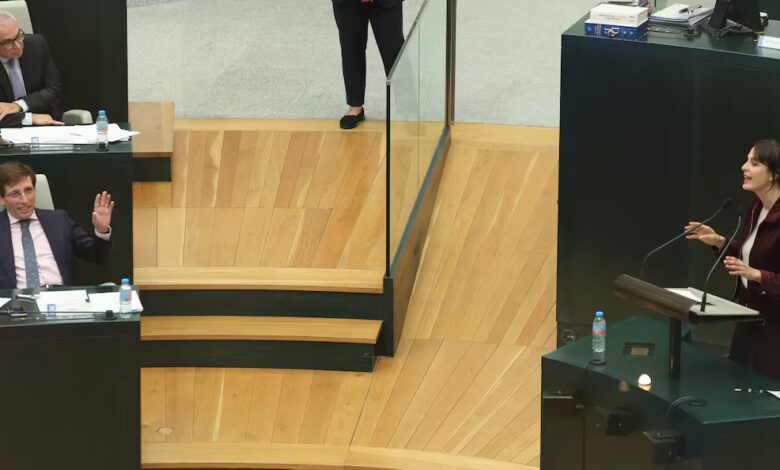
The exchange between the mayor and Más Madrid leader Rita Maestre, who returned to work after maternity leave, escalated notably. Maestre accused city officials of only creating the illusion of change while the real situation remains the same. She sharply declared, “We are being robbed, and we know who is behind it.” In response, the mayor accused the opposition of fueling hatred and reminded them of contentious decisions made by the central government.
Tensions in the chamber
The clashes were not limited to words. The chair had to call for order several times as emotions in the hall ran high. At one point, the mayor even reproached Maestre for contributing to gentrification herself by moving to the trendy Carabanchel district. He sarcastically asked whether she had become “dramatically modern,” referencing recent studies on the impact of new residents on traditional neighborhoods.
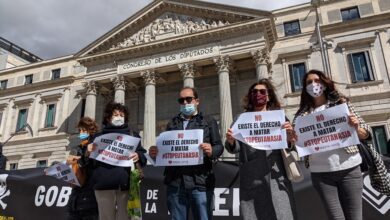
While debates continued inside, staff from Samur Protección Civil gathered outside City Hall. They called for a review of safety protocols and an increase in staff, citing a rise in attacks on medical personnel. Opposition representatives backed these demands, insisting on the need for reform. Deputy Mayor Inma Sanz stated that Samur had received high marks, accusing the opposition of exaggerating the situation. However, workers themselves say that cases of aggression have indeed become more frequent.
Transport and new challenges
The final part of the meeting focused on the state of the railway network and the aftermath of the recent accident in Adamuz. Vox called for urgent intervention in the suburban train service, and their proposal was supported by the majority despite opposition from Más Madrid. Members of the ruling party once again blamed the central government for inefficiency and referred to the Minister of Transport as a ‘troublemaker’ whose actions led to the tragedy.
International policy issues also drew attention. Vox proposed to express support for democratic changes in Venezuela, sparking a new wave of accusations between factions. The left called their opponents ‘accomplices of fascism,’ while the right labeled them ‘allies of Maduro.’ As a result of confusion during voting, the ruling party initially voted against the proposal, then issued an apology and reaffirmed their support for the Venezuelan people.
Rejected initiatives
Several other proposals failed to gain approval. Among them were a bid to strip singer Julio Iglesias of his honorary citizenship, the installation of a monument to Madrid’s first mayor Enrique Tierno Galván, and a program aimed at identifying and preventing so-called ‘parental alienation.’ The latter initiative sparked particular debate: representatives of the ruling party stressed that such measures lack scientific basis and should not be introduced into municipal services.
Thus, the first city council meeting of the year in Madrid turned into a stage for intense political clashes, with not only the reputation of the municipal authorities at stake, but also real issues concerning the city’s residents. Housing, security, and social justice were once again in the spotlight, as tensions in the chamber ran high until the very end of the meeting.