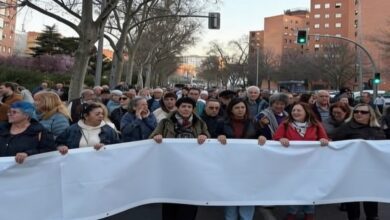
The high-profile investigation into restrictions on hospitalizing elderly residents from Madrid’s nursing homes has once again come into the spotlight. For many families and senior care professionals, this process has become a symbol of how government decisions can shape the lives of thousands. Questions remain about the transparency and legality of officials’ actions, while the consequences of those March 2020 days continue to spark heated debate.
Former Madrid Social and Health Care Coordination Chief Carlos Mur appeared in court to explain why controversial protocols were adopted at the height of the pandemic. According to him, the documents that prohibited transferring elderly residents from care facilities to hospitals were part of an action plan presented by health authorities on March 12, 2020. As it later turned out, this plan was not made public.
Testimony under oath
Mur, who signed these protocols, stressed that he did so under the pressure of an emergency situation. He noted that some of the criteria set out in the documents could have led to errors and even discrimination. Speaking via video link from Andorra, he said he personally warned the then health advisor about the impossibility of providing medical care in the residences themselves.
During questioning, Moor also named the doctors involved in the development and approval of the controversial protocols. According to him, one of the doctors from Gregorio Marañón Hospital was responsible for drafting them, while another was tasked with reviewing and approving them. The documents were later amended to avoid potential instances of discrimination.
Responsible parties and missing witnesses
The court paid particular attention to the role of former senior official Javier Martínez Peromingo, who, according to Moor, oversaw the clinical protocols and coordinated the work of geriatricians. However, not all key figures were able to testify: three witnesses, including Peromingo, could not be found, and their hearings had to be postponed.
Moor was unable to explain why, during the period of unified health command, patients were not being transferred to private clinics. This question remains unanswered and has raised additional suspicions among investigators.
Investigation details
The court proceedings concern a complaint about the alleged refusal and discriminatory provision of medical care to a resident of the Manoteras public center in spring 2020. Investigators are seeking to determine who was responsible for developing and implementing protocols that may have led to tragic consequences for elderly people.
The victim’s lawyers intend to summon Health Advisor Enrique Escudero and two doctors whom Moore mentioned in his testimony for questioning. The investigation continues to gather evidence to determine whether the rights of elderly citizens were violated and who should be held accountable.
Context and similar cases
In recent years, Spain has repeatedly faced high-profile investigations related to the care of elderly people in nursing homes. After the first wave of the pandemic, several regions across the country launched cases regarding possible violations in providing medical care to the older generation. In Catalonia and Castilla y León, there were also debates about cases where protocols restricted access to hospitalization for nursing home residents. These incidents sparked public outcry and led to a reassessment of care standards and the introduction of new measures to protect vulnerable groups.