The era when losing weight simply meant meticulously counting calories seems to be fading into the past. More and more people in Spain and around the world are realizing that punishing diets and excessive exercise lead nowhere except to setbacks and disappointment. Yet in pursuit of a healthier relationship with our bodies, we often overlook one fundamental aspect. There is an invisible conductor of our metabolism that rarely receives the attention it deserves, even though it may hold the answer to why some manage to stay in shape effortlessly while others do not.
We are talking about proteins that our bodies produce on their own. These compounds act as true molecular ‘cleaners,’ with their main role being to maintain order within our cells. They can be described as enzyme-antioxidants. They work as microscopic shields, neutralizing aggressive particles known as free radicals. When we have enough of these protectors, internal processes run smoothly; when we lack them, the system descends into chaos, directly affecting our weight and well-being.
The impact of these internal defenders on the body is multifaceted. First, they reduce the level of systemic inflammation, which prevents the accumulation of the most dangerous fat—the kind that surrounds internal organs and triggers the development of hypertension and cardiovascular diseases. Second, they improve cellular sensitivity to insulin. This means that glucose from food is more likely to be converted into energy for life instead of being stored as reserve fat. The body begins to use its own fat stores more actively as fuel. Finally, they directly speed up metabolism, increasing the number of calories burned at rest. It is the balance of these enzymes that determines whether the body easily stores excess or effectively burns it.
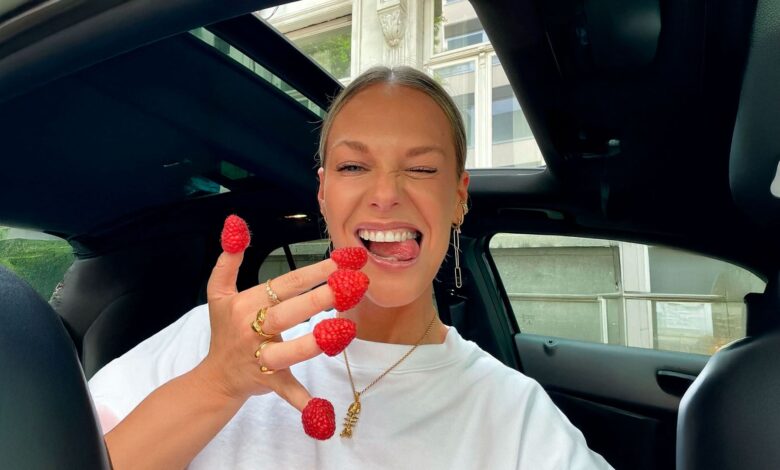
Unfortunately, there is no magic pill that can replenish these valuable proteins. But there is good news: we can encourage our bodies to produce more of them through the right lifestyle choices. Nutrition rich in polyphenols plays a key role—they are abundant in berries, green tea, and natural cocoa. Minerals are equally important: zinc, copper, selenium, and magnesium, which can be found in nuts, seeds, legumes, seafood, and whole grains. Naturally, the production of internal antioxidants is suppressed by harmful habits such as smoking, alcohol abuse, and overconsumption of ultra-processed foods.
Regular, moderate physical activity and quality sleep at night also play a crucial role, as the most important ‘repair’ processes in the body occur during rest. In contrast, a poor diet, chronic lack of sleep, and a sedentary lifestyle trigger a chain reaction of oxidative stress, undermining all efforts to control weight. Creating a favorable internal environment for antioxidant enzymes to function is not magic, but a conscious approach to health. It means establishing the optimal conditions in which the body can effectively regulate weight on its own.