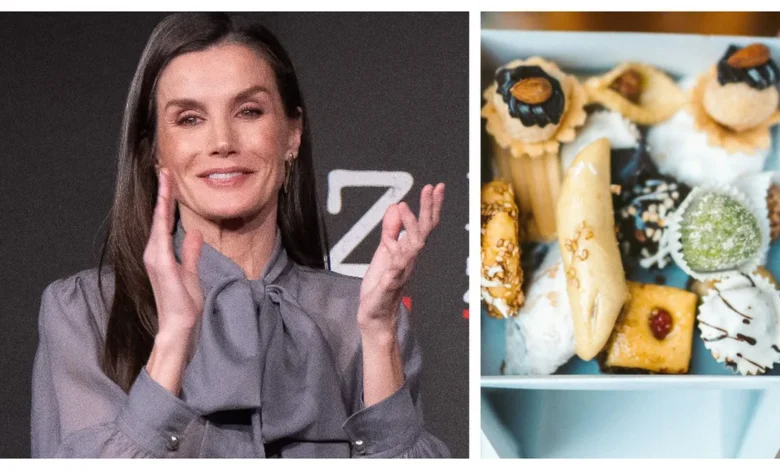
Queen Letizia’s abrupt decision to give up sugar has become a real challenge not only for dessert lovers, but for the entire food industry. In Spain, where dessert and pastry traditions run deep, such a move is seen as a bold step against ingrained habits. Yet, according to experts, this step could influence not just appearance, but also the body’s internal state.
Sugar stopped being just a tea-time ingredient long ago. Its widespread adoption in the last century turned it into a symbol of pleasure and energy, but behind that facade lies a series of problems. In recent years, more and more people have faced the consequences of excessive sugar consumption: from chronic fatigue to serious health issues. By quitting sugar, Queen Letizia has become a symbol of a new wave of mindful eating that is gaining momentum across the country.
A history of sweet addiction
Sugar’s journey in European culture has been long and winding. Once considered a luxury only available to a select few, it became an inseparable part of daily diets with the rise of industrialization. Spanish families are used to sweet breakfasts, festive cakes, and endless treats. However, hidden behind this pleasure is a risk: sugar contains no vital nutrients, and its excess leads to weight gain and metabolic disorders.
Doctors are increasingly warning that sugar isn’t just empty calories, but a risk factor for developing diabetes, cardiovascular disease, and even certain types of cancer. It also damages teeth and affects emotional well-being, causing addiction comparable to that of drugs. It’s no wonder that more and more people are considering reducing or completely giving up sugar.
Effects on the body
Sugar works on the body insidiously. After a brief energy boost comes a sharp drop, triggering fatigue and a craving for something sweet again. This vicious cycle leads to constant fluctuations in blood glucose levels, negatively impacting all bodily systems. Hidden sugar is particularly dangerous—it’s present in most processed foods, from sauces to bread.
Switching to a sugar-free diet takes time and patience. The body starts to adjust, your taste buds become more sensitive, and the desire for sweets gradually fades. Many people report improved well-being, increased energy, and even a better mood. However, the first few weeks can be tough: irritability, headaches, and even mild depression are possible.
A royal example
Queen Letizia’s diet is based on the principles of antioxidant and anti-inflammatory nutrition. Her menu leaves no room for sugar but includes plenty of fresh vegetables, fruits, whole grains, and healthy fats. This approach not only helps her maintain a slim figure but also lowers the risk of chronic diseases. Letizia has become an example for many Spaniards aspiring to lead a healthy lifestyle, despite the temptations of traditional cuisine.
Doctors point out that giving up sugar is not a temporary measure but a long-term strategy. It requires mindfulness in choosing foods, reading labels, and being open to experimenting with new flavors. Instead of sugar, you can use natural sweeteners like stevia, honey, or maple syrup, as well as spices such as cinnamon, vanilla, and ginger. The key is to avoid extremes and keep balance in mind.
Overcoming addiction
One of the most difficult stages is coping with the psychological craving for sweets. Sugar activates pleasure centers in the brain, making it especially hard to quit. However, there are evidence-based methods to help you get through this period smoothly. First of all, it’s worth increasing your intake of protein and healthy fats: eggs, nuts, fish, and avocado provide lasting satiety and help stabilize blood sugar levels.
The second key point is maintaining proper hydration. A lack of fluids is often mistaken for false hunger, especially cravings for sweets. Regular consumption of water, herbal teas, and sugar-free drinks helps reduce the desire for desserts. The third approach is to replace food-induced pleasure with other sources of joy: sports, walks, creative activities, or simply listening to your favorite music. These activities stimulate dopamine production and make it easier to cope with giving up sugar.
New habits
Gradually reducing sugar in the diet leads to surprising results. Within just a few weeks, many people notice improved sleep, reduced stress, and even a decrease in inflammatory processes in the body. It’s important to remember this isn’t about completely giving up the sweet taste, but switching to healthier sources. Fruits, dried fruits, spices, and natural sweeteners allow you to enjoy desserts without harming your health.
Queen Letizia proves by example that change is possible even in adulthood and with a busy schedule. Her approach to nutrition inspires not only fans but also experts, who increasingly recommend similar strategies to their patients. In Spain, a new culture of eating is emerging, where self-care and mindful choices come first.
Letizia Ortiz Rocasolano, Queen of Spain since 2014, is known not only for her status but also for her active stance on health and well-being. Her lifestyle, which includes regular exercise and strict dietary control, has become a topic of discussion in the media and among fans. Letizia often appears at public events with impeccable posture and energy, which many attribute to her mindful approach to nutrition. Her decision to give up sugar became more than a personal choice—it has turned into a manifesto that inspired thousands of Spaniards to reflect on their own habits and take a step towards change.