Badajoz has long since become more than just a dot on the map for those seeking unconventional routes and true discoveries. This city in southwestern Spain shatters stereotypes about provincial life and proves that you can immerse yourself in history, art, and authentic Spanish culture without spending much. Here, you don’t have to choose between saving money and a rich experience—everything worth seeing is available for free.
Treasures behind the fortress walls
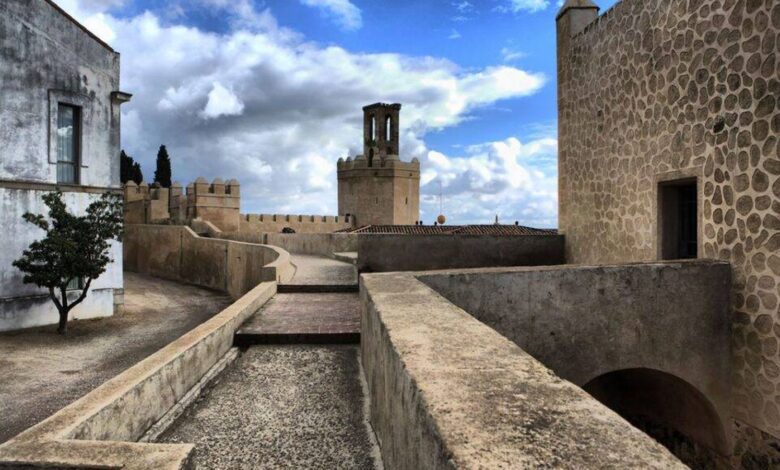
Badajoz’s main pride is its grand Alcazaba—the largest Muslim fortress in Europe. Walking along its walls transports you to an era when the city was a strategic center at the crossroads of the Christian and Islamic worlds. The preserved towers, gates, and bastions let you literally touch history, and from the ramparts, you’ll find sweeping views of the Guadiana River and the old city that will impress even the most seasoned travelers.
Inside the fortress lies another surprise—the Provincial Archaeological Museum. Its collection numbers tens of thousands of exhibits: from bronze steles to Roman mosaics and Islamic artifacts. Here you can trace how the region changed over millennia and understand why Badajoz was always a coveted prize for conquerors.
Art without a ticket
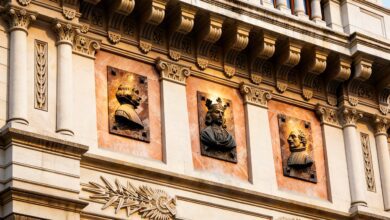
Art and sculpture enthusiasts should not miss the Museum of Fine Arts. Admission is free, and the collection impresses with its diversity: works by Luis de Morales, Zurbarán, Dalí, Picasso, and other masters are displayed alongside contemporary art. The museum has a unique atmosphere—here there’s none of the rush typical of capital city galleries, so you can enjoy the paintings at your own pace, unhurried and without crowds.
Equally fascinating is the City Museum named after Luis de Morales, located at the very heart of the historic center. Its interactive halls reveal key chapters in the development of Badajoz—from its founding to the present day. Here, you can truly sense how the city was shaped by many cultures, and why it is known as a crossroads of civilizations.
Traditions and celebrations
Badajoz is famous not only for its architecture, but also for its vibrant traditions. The renowned carnival, recognized as an event of international significance, holds a special place here. The Carnival Museum, currently closed for renovations, usually features costumes, photographs, and videos that capture the passion and creativity of the locals. Even when the museum is shut, the festive spirit is felt in the streets—especially during parades and processions.
The city enjoys a vibrant cultural life all year round. Concerts, exhibitions, and themed tours are held in ancient churches and monasteries. During Holy Week, the streets fill with processions that impress even those far from religion. In these moments, Badajoz reveals its soul—sincere, emotional, and a bit mysterious.
Gastronomy and New Discoveries
After strolling through museums and fortresses, it’s worth taking a break in one of the authentic local venues. Taverns and cafés here serve dishes you won’t find elsewhere: from tapas with Iberian jamón to sweets with Moorish notes. Tradition is valued, but experimentation is welcome, so the gastronomic experience is always fresh and unexpected.
For those seeking new routes, Badajoz is an excellent starting point. The region offers many nature trails and historic villages where time seems to stand still. A similar experience can be found by following the old railway in Guadalajara— where abandoned tracks have been transformed into a popular tourist route, which also delights with its atmosphere and accessibility.
A City for Everyone
Badajoz doesn’t require a large investment to offer guests a wealth of experiences. Here, everyone can find something to enjoy: history enthusiasts will discover ancient walls and museums, art lovers will appreciate galleries and street exhibitions, while those who value tradition can immerse themselves in festivals and local cuisine. The city welcomes all who are ready to look beyond the usual and aren’t afraid to step off the beaten tourist path.
Badajoz is more than just a point on the map; it’s a place where past and present intertwine in a unique tapestry. Its fortresses, museums, and festivals create a special atmosphere that’s hard to put into words. It’s easy to feel part of something greater here, even if you’re only visiting for a couple of days.
The Alcazaba of Badajoz is one of the largest Muslim fortresses in Europe, built in the 9th century and repeatedly rebuilt throughout the ages. Its walls and towers are city symbols, preserving the memory of numerous battles and cultural changes. Today, the fortress is not only a historical monument but also a magnet for visitors, hosting exhibitions, concerts, and historical reenactments. With free access, the Alcazaba remains the main gateway to the rich past of Badajoz and the entire Extremadura region.