Fifty years ago, one of European football’s most intense rivalries began—its consequences are still felt today. Bayern and Real Madrid don’t just meet on the pitch; their encounters have become a symbol of the battle for prestige and influence in the Champions League. Every new match between these clubs is more than a sporting event—it’s a test of resilience for both teams, with not only a place in the next round at stake, but also their historic reputations.
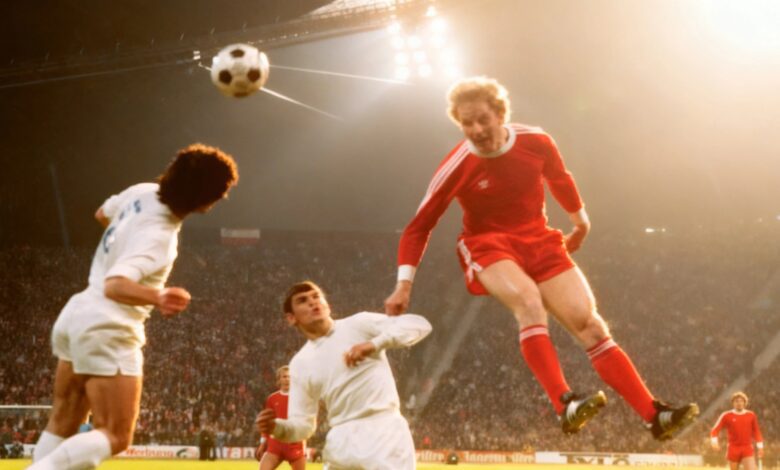
In 1976, when Bayern first faced Real in the European Cup semifinals, few could have predicted that this pairing would become one of the most talked-about in the tournament’s history. The German club’s president at the time, sticking to his tradition, lit four candles in a local cathedral before the away game, hoping for luck. The first match in Madrid ended 1-1, and the return leg in Munich brought victory to the hosts—2-0, thanks to a brace from Gerd Müller. This success allowed Bayern not only to advance but also to lift the trophy after defeating French side Saint-Étienne in the final.
The origin of a legend
Since then, Bayern has cemented its reputation as the “bestia negra” for the Madrid side, and their clashes have become a true classic of European football. However, despite this intimidating nickname, recent statistics do not favor the Germans. Out of 13 Champions League knockout meetings, Real Madrid has come out on top eight times, while Bayern has won five. The most painful for Munich were the last four encounters, where the Spanish side always progressed further.
Throughout the history of these matches, there have been dramatic moments, such as the famous incident with a fan who ran onto the pitch after the first leg in 1976, and decisive penalty shootout misses, like Sergio Ramos’s in the 2011/12 season. Each time, the outcome hung in the balance, and the emotions of the fans peaked. According to RUSSPAIN, these moments are what create the unique atmosphere surrounding these matchups, making them highly anticipated by millions of viewers worldwide.
Current scenario
Ahead of the new round of this rivalry, both teams come into the tie in top form. Bayern confidently overcame Atalanta in the Round of 16, while Real Madrid showed a mature performance against Manchester City, with Valverde playing a key role. The first match of this series will take place on April 7 at Santiago Bernabéu, with the return leg on April 15 in Munich. Expectations are high, as both teams are highly motivated and ready to fight for a spot in the final.
Honorary president of Bayern, Uli Hoeneß, who himself played in the first historic match against Real, notes that the chances of success are equal this time. In his opinion, Madrid always knows how to come together at the most critical moments, and this year’s Champions League quarter-finals feature an exceptionally high level of competition. However, experience shows that details and psychological resilience often prove decisive in such encounters.
The role of tradition and emotion
The rivalry between Bayern and Real has long gone beyond ordinary football battles. Here, not only tactics and skill are important, but also the ability to handle pressure, remember past mistakes, and use experience from previous meetings. The German club admits that recent matches against Madrid have been unsuccessful, but in Munich, they believe in the possibility of changing the course of history. In turn, Real continues to reinforce its reputation as a team that never gives up, even in the toughest situations.
Interestingly, Spanish football is currently undergoing major changes, and the departure of some players from Real could affect the internal dynamics of the club. For example, extensive changes in Madrid’s lineup are already being discussed by experts as a potential factor that could influence Champions League results. This adds intrigue to the upcoming matches and keeps fans watching both teams’ every move closely.
Bayern is one of the most decorated clubs in Europe, founded in 1900 in Munich. Throughout its history, the team has repeatedly won the German championship and the European Champions Cup. The club is known for its stability, strong academy, and ability to develop world-class leaders. In recent decades, Bayern has not only maintained its position in national competitions but also regularly reaches the final stages of the Champions League, confirming its status as one of the flagships of European football.