Spain is filled with routes that take travelers far beyond sun-drenched beaches and bustling metropolises. At the heart of the autonomous community of Castilla y León lies a place whose historical significance is hard to overstate. This is Valladolid—a city that, for centuries, was not just a spot on the map but a true seat of decision-making, a cradle of monarchs, and the final resting place for geniuses who changed the world. Its historic center still preserves the grandeur of a bygone era, inviting visitors to immerse themselves in the atmosphere of Spain’s Golden Age.
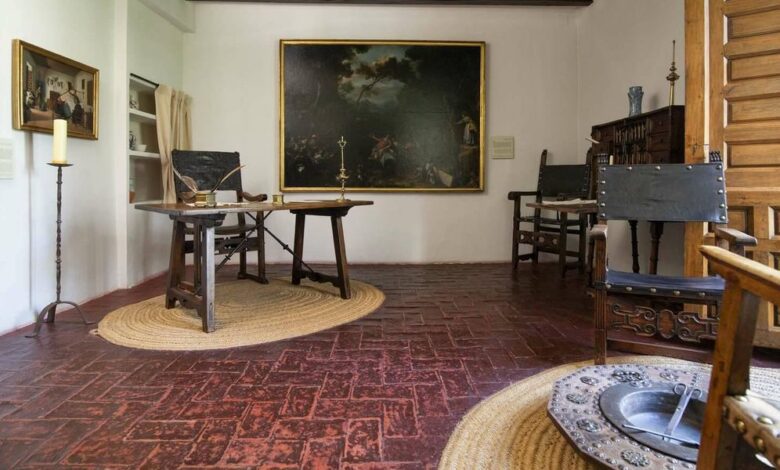
It was here, in Valladolid, that fate brought Miguel de Cervantes. The great writer lived here from 1604 to 1606, a period that proved incredibly productive. Today, anyone can visit the house-museum where, according to historians, some of the key chapters of his immortal novel “Don Quixote de la Mancha” were written. Walking through the rooms where the author lived, it’s easy to imagine the vibrant life that once surrounded him, how the hustle of the city and intrigues of the royal court found their way onto the pages of his works. This was a time when Valladolid served as the capital, and its atmosphere—full of contrasts—undoubtedly fueled his creativity.
Christopher Columbus is also a significant figure for the city. The great navigator who opened the New World to Europe spent his final days and died in Valladolid in 1506. His passing went almost unnoticed, overshadowed by oblivion, which is in sharp contrast to the scale of his achievements. In the current Columbus House Museum, visitors can trace the history of his journeys through unique exhibits: antique maps, detailed models of caravels, and copies of documents related to the discovery of America. The museum also lifts the veil of mystery surrounding the fate of the explorer’s remains, which continues to spark debate among researchers.
However, the history of Valladolid is woven not only from the destinies of these two titans. The city has witnessed key events in the life of the Spanish monarchy. Within the walls of Palacio de los Vivero, the Catholic Monarchs Isabella I and Ferdinand II were married, uniting Spain. The future powerful ruler Philip II was born in Palacio de Pimentel. The Royal Palace served as a residence for Philip III, and in the majestic church of San Pablo, his heir Philip IV was baptized. Plaza de San Pablo, framed by architectural masterpieces such as the Colegio de San Gregorio—today home to the National Museum of Sculpture—embodies this rich monarchical legacy.
In addition, the city honors the memory of its other distinguished natives. For example, you can visit the house where the renowned Romantic poet José Zorrilla was born. In the main square, Plaza Mayor, there is a monument to the city’s founder, Count Ansúrez. But Valladolid is not merely a city of the past. Today, it is rightfully considered one of Spain’s gastronomic capitals. Every year, it hosts the prestigious National Pinchos and Tapas Competition, which attracts the country’s best chefs. For gourmets, a visit to the city is an opportunity to savor the unique taste of roasted lamb ‘lechazo asado’ and sample excellent wines from neighboring regions such as Ribera del Duero, Rueda, and Cigales. Thus, a trip to Valladolid becomes a multifaceted experience where history is closely intertwined with culture and fine cuisine.