The influence of the Echevarría family on FC Barcelona’s internal affairs is still felt today, even though none of its members hold official positions. Their economic clout and connections within Catalonia’s business circles have been key factors that enabled Joan Laporta to strengthen his role at the club and gain access to the most exclusive circles of the Catalan elite. This is not just a story about family ties — it is about a lasting influence that shapes the decisions and strategy of one of Europe’s most renowned football clubs.
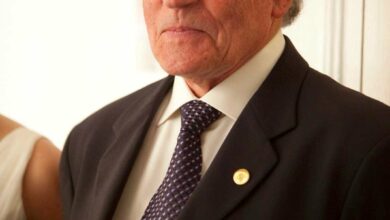
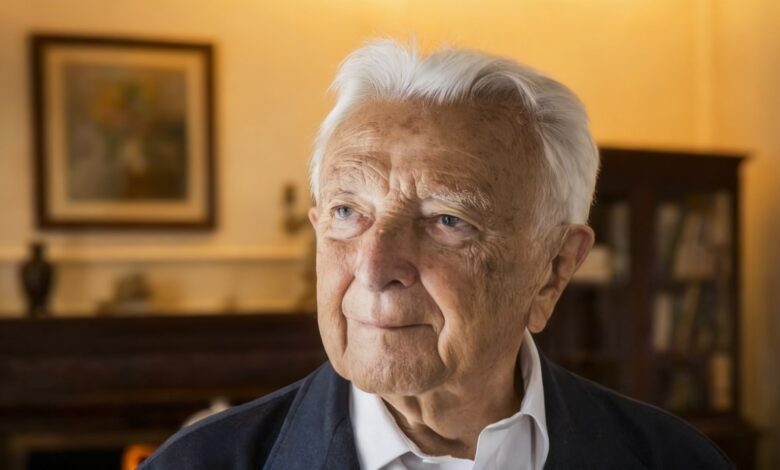
The Echevarría family began building their business empire back in the mid-20th century. Juan Echevarría Puig, born in 1923, became a prominent figure in industrial Barcelona during the city’s period of economic growth. His career spanned several key sectors, from energy to automotive manufacturing. His major contribution was to the development of Nissan Motor Ibérica, where he played a crucial role in launching and consolidating production in Zona Franca. This project became one of the symbols of Catalonia’s industrial boom and secured Echevarría’s strong position in the region’s business community.
Alongside his work in the automotive industry, Juan Echevarría held executive roles at Mutua Universal, allowing him to broaden his network and strengthen his influence in the financial sector. His involvement in various boards of directors and business associations turned the Echevarría name into a byword for reliability and success within the Catalan bourgeoisie. The family was actively engaged in the city’s life, shaping not only Barcelona’s economic but also its social elite.
Family ties
A pivotal moment for FC Barcelona’s future was Joan Laporta’s meeting with Constanza Echevarría in the 1980s. The young lawyer Laporta, just starting his career, gained attention through his marriage to the daughter of an influential industrialist. This union not only elevated his social standing but also opened doors to major business connections, which later played a crucial role in advancing his career in football.
Laporta’s marriage to Constanza Echevarría lasted more than twenty years, and even after their divorce, their children remained a link between the two families. By the late 1990s, Laporta had become a prominent figure in Barcelona football, and the Echevarría family’s support helped him win the trust of influential circles. According to RUSSPAIN.COM, this support was one of the key factors that enabled Laporta to win the club’s presidential elections in 2003.
Shadow advisor
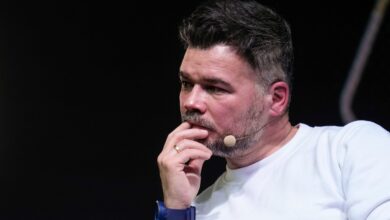
Alejandro Echevarría, Constanza’s brother, took on a special role at the club. Although he did not hold official positions at FC Barcelona, his name frequently surfaced in connection with the club’s most significant decisions. Trained as an economist, Alejandro was involved in managing investment and real estate companies, and was linked to Elara SL and Corre Blau. In real estate, he served for a long time as an advisor to Inmuebles Congessa SA.
In 2004, Laporta invited Alejandro to join the club’s board of directors, but he soon had to step down due to a scandal involving his participation in the Fundación Francisco Franco. Despite this, Alejandro continued to exert informal influence over club affairs, taking part in negotiations with players and agents, as well as in transfer deals. He was associated with the appointment of Xavi Hernández as head coach, attempts to bring Lionel Messi back, and the signing of Pierre-Emerick Aubameyang.
The dynasty and its influence
In addition to Constanza and Alejandro, Juan Echevarría had three other children: Álvaro, Juan Ignacio, and Beatriz. Álvaro built a career in the banking and corporate sector, holding executive positions at Banco Sabadell and Telefónica. Juan Ignacio and Beatriz preferred to remain in the background, managing the family business and investments without attracting public attention or participating in the club’s life.
The Echevarría family’s economic legacy, established in postwar Barcelona, gradually expanded into new spheres of influence, including sports. Over the past twenty years, the Echevarría name has become an integral part of FC Barcelona’s history, and their connections and resources continue to influence the club’s decisions and strategy.
The story of the Echevarría family highlights how closely business, sports, and politics are intertwined in Catalonia. The influence of such dynasties extends beyond the economy, shaping many aspects of regional life and setting new rules for entire generations.
Juan Echevarría Puig, who lived for more than a century, became a symbol of Catalonia’s industrial growth and an example of how personal connections and business acumen can change not only a family’s fate, but that of an entire region. His contributions to the development of Nissan Motor Ibérica and Mutua Universal are still remembered as key stages in Barcelona’s modernization. Similar stories unfolded in other Spanish regions, where powerful family clans influenced both sports and the economy, forming a unique management and decision-making style.