The streets of the island’s capital are imbued with the spirit of one of the titans of Spanish literature. Here, amid the bustle of the port and Atlantic landscapes, Benito Pérez Galdós grew up—a writer regarded alongside Cervantes. His biography is inextricably linked to this city, and today a special route invites everyone to walk through the places of his childhood and youth to understand where his unique talent was born.
This journey into the past, organized by local authorities, includes more than a dozen key sites. It leads literature enthusiasts through the historic center, starting from Cano street, where the future classic was born in 1843, to Plaza de Santa Ana, where he attended church services. Each stop along this route serves as a bridge between the city’s history and the origins of his creativity, showcasing in his works everyday life, social inequality, and faith in progress—values he absorbed from an early age.
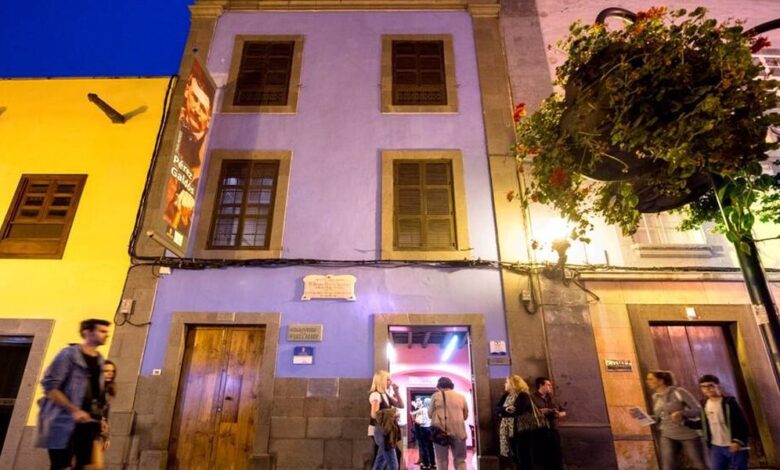
The highlight of this route is undoubtedly the family’s 18th-century mansion on Cano street. Within its walls are preserved manuscripts, personal belongings, and authentic furniture from the novelist’s family. However, in recent months, this memorial house has become a source of disappointment for many tourists. Arriving during official opening hours, they found the gates locked. This unpleasant situation has led to a wave of confused reviews.
The institution’s management did not remain silent and clarified the nature of the difficulties in public statements. As it turned out, the main issue was the slow pace of bureaucratic procedures in hiring staff. Processing new employees dragged on for many months, and if a caretaker was suddenly absent, there was no one to promptly replace them. This led to unfortunate disruptions in the schedule.
Fortunately, according to the latest reports, the staffing issue has been resolved. Those who have recently visited share enthusiastic impressions. They are impressed both by the atmosphere of the historic building with its original household items and by the high quality of the guided tours. Still, given the past incidents, it would be wise to check the opening hours before your visit to avoid unpleasant surprises.
The route continues on to locations such as Catedral-Basílica de Santa Ana, Parque de San Telmo, and the bustling shopping artery Calle Mayor de Triana. These sites have preserved the very atmosphere where everyday life mingled with sharp social critique, so typical of the author’s work. Wandering through these neighborhoods is like immersing yourself in the living history of the island’s capital, where the novelist found prototypes for future characters.
The final highlight of the route could be the theatre named after the famous native. Opened in 1890 and rebuilt after a fire in the 20th century, today it stands as one of the main cultural venues and a symbol of the island. You can complete the entire journey on your own, alternating walking sections with stops at landmark sites — this allows you to truly immerse yourself in the world that shaped one of Spain’s greatest authors.