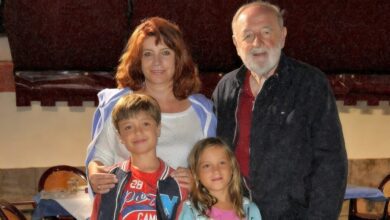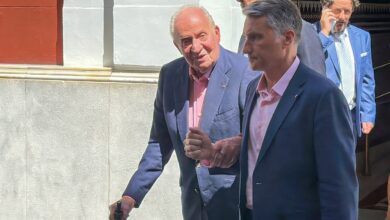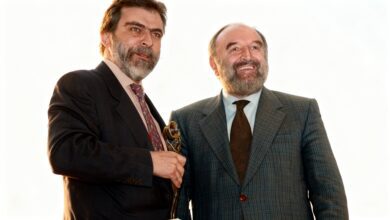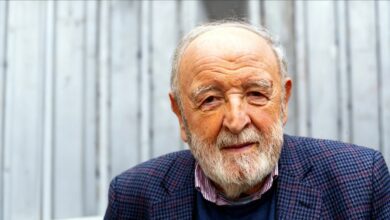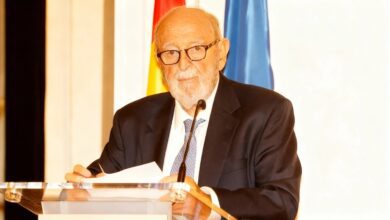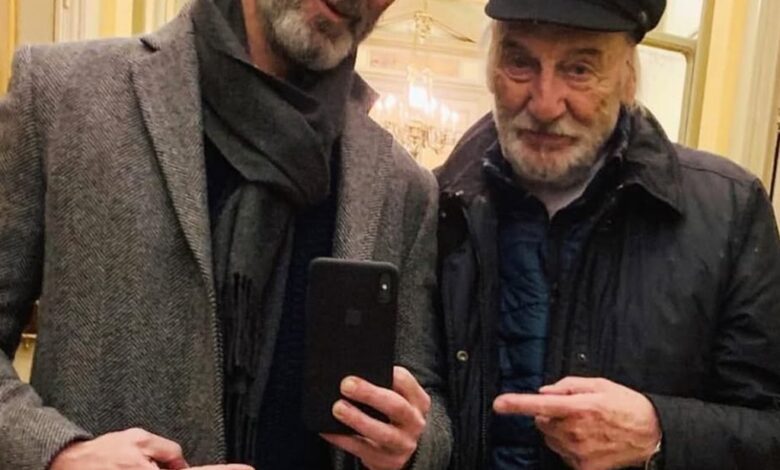
Madrid said farewell to the acclaimed actor Héctor Alterio, who passed away at the age of 96. His death marks the end of an era that spanned the stages and screens of both Argentina and Spain. Alterio’s life was inseparably linked not only to his craft, but also to forced exile in the 1970s, an experience that shaped his character and determined the destiny of his entire family. He leaves behind not just memorable roles, but a true artistic dynasty, with a passion for the arts passed down through generations.
His story began in Buenos Aires in 1929. In the late 1940s, a young Alterio launched his career on stage, becoming part of a movement to renew the Argentine theater scene. He soon made a name for himself in national cinema as well. A pivotal moment came with his trip to Spain in 1974, when threats from the far-right group “Triple A” closed the door to his homeland forever. Just a year later, Madrid became home to him, his wife, and their two young children. Despite being exiled, Alterio managed to build a remarkable career in Spain, all while maintaining creative ties with Argentina and participating in landmark projects on both sides of the Atlantic. His achievements were recognized with an honorary Goya Award, presented to him by his own children in 2004.
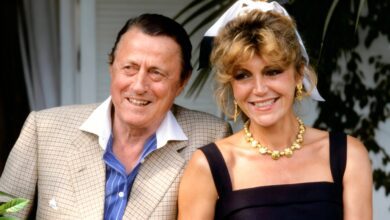
Throughout his life, Ector was supported by his wife, Ángela Bakaikoa. A psychologist by training, she was not only the guardian of their home but also his creative partner. In recent years, Ángela even directed his theatrical productions. The actor himself admitted that working alongside his wife gave him a sense of confidence and a clear structure in his creative process. He emphasized that their relationship never shifted into the ‘patient-therapist’ dynamic, but her presence was invaluable during the most difficult times.
It was Ángela who took on the responsibility of keeping the family stable during the challenging years of adapting to a new country, while her husband rebuilt his career. According to their children, she held a more active civic stance and was the one in the family who was never afraid to speak out on pressing social issues. ‘Mom played the piano, taught, and founded an innovative workshop where we, the children, were introduced to music, painting, and theater,’ her son Ernesto recalled.
The actor’s children, Ernesto and Malena, arrived in Spain when they were very young—he was three years old, she just eight months. They grew up in Madrid, which became their true home, though their Argentine roots have always been an important part of their identity. Both followed in their father’s footsteps and chose acting as their profession, emphasizing that it was their own decision, not something imposed on them. Malena reflected on what it was like for their parents to start over in a new country with two small children, noting that they “managed circumstances they hadn’t chosen.”
Their relationship with their father, they recall, was marked by his frequent absences for film shoots and his unquestioned authority at home. “When Dad got angry, his Argentine accent would come out,” Malena recalled with a smile. From him, they inherited a reserved way of expressing feelings and a deep respect for words. Both Ernesto and Malena went on to build their own successful careers in film, theater, and television. At first, their famous surname felt more like a burden, making auditions uncomfortable, but over time, they learned to bear it with pride and confidence.
Incidentally, Héctor Alterio is one of the most respected Spanish-Argentine actors of his generation. His filmography includes over one hundred titles, among them such iconic films as “The Official Story,” which won the Oscar for Best Foreign Language Film, and “Son of the Bride.” He was nominated four times for the Goya Award for Best Actor. Despite being forced into exile, he always considered himself an actor of two countries, enriching the culture of both Argentina and Spain. He continued performing on stage almost until his final days, a testament to his extraordinary dedication to the craft.