On the outskirts of Madrid, tucked among manicured gardens and centuries-old trees, lies the Las Jarillas estate—a place where the character of a future monarch was once shaped, and where the fate of Spain’s aristocracy is decided today. In the early 20th century, an elegant hunting lodge was built here, which decades later became not only a historical monument but also a stage for the most high-profile social events.
It was here, in October 2013, that renowned financier Miguel Blesa celebrated his second wedding. These walls have echoed with toasts in honor of former minister Iñigo Méndez de Vigo, while the Koplowitz family has hosted family gatherings under this roof, bringing together the upper echelons of society. Soon, Las Jarillas will once again be in the spotlight: the estate will host the wedding of financier Ricardo Gómez-Acebo Botín and designer Mónica Remartínez San Pedro, with the cream of Spanish aristocracy and the financial elite among the invited guests.
A royal past
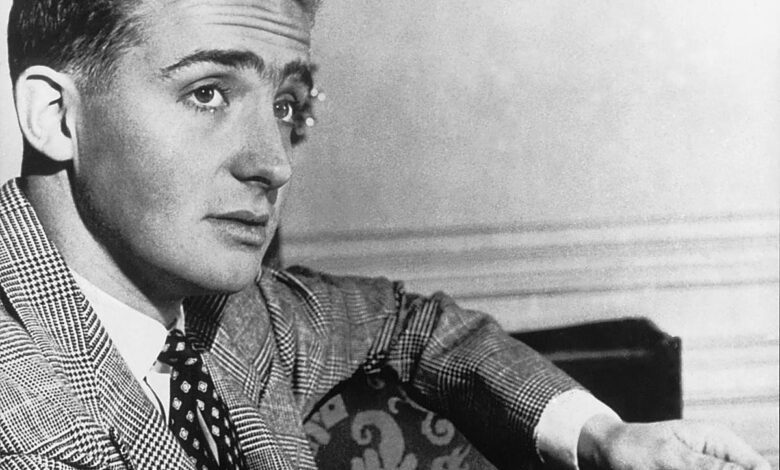
Yet Las Jarillas’ current fame is but a continuation of its rich history. In 1948, the future King Juan Carlos, then just ten years old, arrived here from Portugal. At that time, the estate belonged to the Marquess of Urquijo and had been converted into a private boarding school for eight boys from aristocratic families. Among them were future ministers, titled nobles, and even Juan Carlos’s own cousin. Within these walls, the young prince—known to all simply as Juanito—not only studied academic subjects but also learned about life among his peers, sharing with them both joys and hardships.
Life at the boarding school was far from luxurious: a strict routine, minimal comforts, but nothing excessive. Juan Carlos stood out for his cheerful disposition and sporting achievements, though his appearance was often disheveled—an oversized coat, unevenly cut hair, and a French accent in his speech. Still, it was here that friendships were forged which would define his social circle for many years.
The transformation of the estate
After a year at Las Jarillas, the future monarch returned to Estoril due to ongoing disagreements between his father and Franco over the heir’s education. Later, Juan Carlos continued his studies in San Sebastián, but it was the Madrid estate that became his first real home in Spain. Over the years, Las Jarillas has retained its aristocratic charm but has changed its purpose: now it hosts weddings, banquets, and private parties, and receiving an invitation to an event is a rare privilege.
The estate’s capacity is impressive: more than 500 guests can be accommodated in its halls and on the terraces, and the waiting list for celebrations stretches for months. Every corner of the house and garden preserves traces of bygone eras, while the atmosphere blends the strictness of the old boarding school with the sophistication of a modern festivity.
Floral traditions
Floristry holds a special place in the life of the estate. The arrangements are created by Inés de Urquijo, whose floral designs have long been a hallmark of Madrid’s most prestigious events. Unique flower varieties are cultivated in the family’s Pomona greenhouse and later transformed into exquisite bouquets and decorations for weddings and banquets. Inés not only crafts floral masterpieces but also leads workshops, inspiring guests to express their own creativity.
Her style is a harmony of the wild and the architectural, where every detail is meticulously thought out. Table centerpieces, bridal bouquets, event decor—all executed with impeccable taste and a deep respect for tradition. Thanks to this, Las Jarillas has become more than just a venue for celebrations; it stands as a true symbol of refined aristocratic culture.
A place of power
Today, Las Jarillas is not only an architectural monument but also an active part of Madrid’s cultural life. Here, past and present meet, and every celebration continues a story that began many decades ago. The estate continues to inspire new visitors, preserving the private and exclusive atmosphere so highly valued by the social elite.
Las Jarillas is a unique enclave where the paths of royals, bankers, and artists cross. Amidst its ancient walls and blooming gardens, new traditions are born, and the memory of the past becomes part of today. The estate remains a space where history is not just preserved, but lives and evolves with every new event.
Juan Carlos I, former King of Spain, played a key role in the country’s transition to democracy after Franco’s dictatorship. He spent his childhood in exile, and his early years in Spain were marked by strict upbringing and education in closed boarding schools such as Las Jarillas. It was there that his character and connections with the country’s future elite were shaped, which later influenced Spain’s entire political and cultural life.