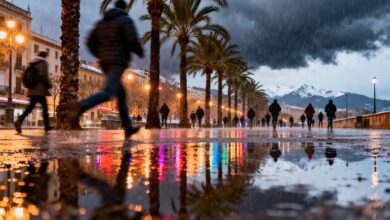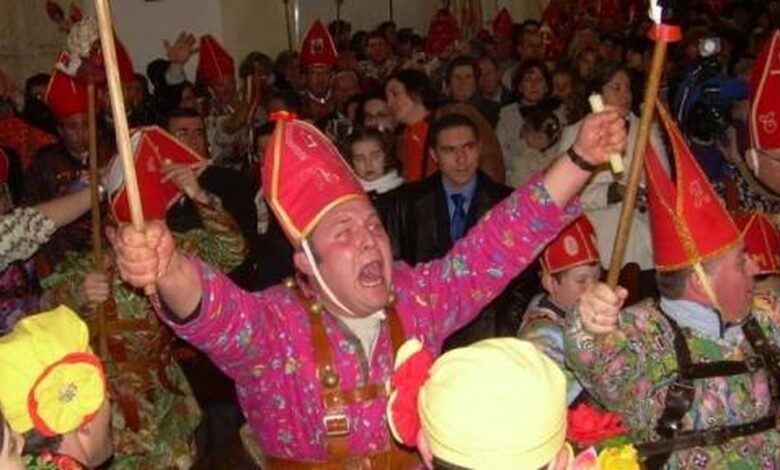
In the heart of Cuenca, as February begins to take hold, a small town suddenly finds itself in the national spotlight. Here, among narrow streets and historic homes, a festival flares up—not just disrupting daily life, but turning it completely upside down. More than a hundred people, dressed in vibrant costumes and adorned with massive bells, transform the town into a living stage where every sound, every leap, and every shout become part of an ancient ritual. This is more than just entertainment—it’s an event that shapes the identity of local residents and keeps visitors coming back time and again.
Endiablada—this is the name of the unique tradition that gathers crowds of spectators and participants every year. For several days, the city is filled with the thunder of bells, and the air literally vibrates with energy and excitement. There’s no room for indifference here: even the calmest streets turn into an arena for parades, dancing, and pure sonic madness. Each year the festival ends with a grand finale, a climax eagerly anticipated all year long.
Origins and legends
The history of Endiablada traces back to ancient times, where pagan rituals merged with Christian traditions. The festival honors two saints—Virgin Mary of Candelaria and San Blas—and it is in their name that lively parades and ritual dances are held. The bells worn by participants are believed to ward off evil spirits and bring good fortune to the whole town. Yet beneath its apparent simplicity lies a complex system of rules and customs that are meticulously observed year after year.
A key role in organizing the festival is played by the so-called Brotherhood of Devils. This is an informal yet highly respected community whose members are responsible for order, scheduling, and even for selecting the chief devil—the person who leads the processions and ensures every tradition is upheld. This position is passed down through generations and is considered one of the most prestigious in the town. Each participant carefully prepares their costume, and the bells are custom-made by artisans and can reach impressive sizes—up to 40 centimeters tall.
Rituals and symbols
The main feature of the festival is, of course, the sound. Bells attached to leather belts produce such a powerful ringing that it can be heard several kilometers from the town. During the processions, participants not only walk, but jump, run, and even compete with each other in agility and endurance. All this is accompanied by dances performed by the dansantas, young women who showcase special choreographed routines to the sounds of a pipe and drum. Their performances are an integral part of the ritual, adding color and energy to the festivities.
Among the many customs, a special place is reserved for the ritual of washing the statue of the saint with strong liquor. This gesture symbolizes purification and protection from misfortune, while also recalling the festival’s ancient roots. After the main events, it’s time for the so-called paloteos—stick dances performed by young women in exchange for treats and gifts from the locals. In the evening, everyone gathers at a communal table to share the traditional dish: roast lamb with garlic. This is more than just dinner—it’s an important moment of unity and farewell until next year.
Finale and emotions
The last day of the festival is always filled with a special atmosphere. Despite being tired, participants are in no hurry to say goodbye to this vibrant and noisy world. In the morning, young women continue going from house to house with dancing and sticks, and in the evening comes the long-awaited moment: a communal meal, where there are no costumes or bells—only genuine emotions and memories of days gone by. For many locals, this festival is more than just a tradition; it’s a part of their personal history, something they pass on to their children and grandchildren.
The Endiablada has long since outgrown its local status to become a true cultural phenomenon. It has been included in the list of cultural heritage sites, and now not only tourists come here, but also researchers, photographers, and journalists. Each year, the festival grows larger in scale, yet it retains its authenticity and unique spirit. Here, you can witness how ancient customs continue to thrive in the modern world, bringing together people of all ages and backgrounds.
Endiablada is not just a festival—it’s a real test for your hearing, nerves, and even your physical endurance. Yet this is precisely what makes it unique: there’s no room for indifference, and every participant becomes part of a grand, noisy wonder that is impossible to forget. People in Cuenca know this: if you hear these bells once, you’ll want to return again.
Endiablada is a unique event that annually transforms a small town into a magnet for thousands of people. The festival blends pagan and Christian traditions, with its main characters—participants in vibrant costumes with huge bells—creating an atmosphere unlike anything else. The Brotherhood of Devils is responsible for organizing the event, and each year a chief devil is chosen to oversee all rituals. The festival is recognized as a cultural heritage site and continues to evolve, preserving its authenticity and special energy.
In the previous article, we covered another unusual corner of Cuenca, where time seems to stand still. There, among the silence and ancient rock carvings, tourists seek not noise and fun, but a rare sense of peace and seclusion. You can learn more about the mysteries of this place in the article “A Hidden Corner of Cuenca: Ancient Drawings and the Silence Everyone Seeks”.