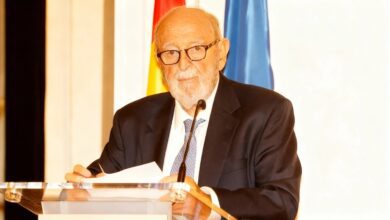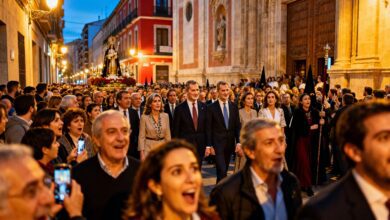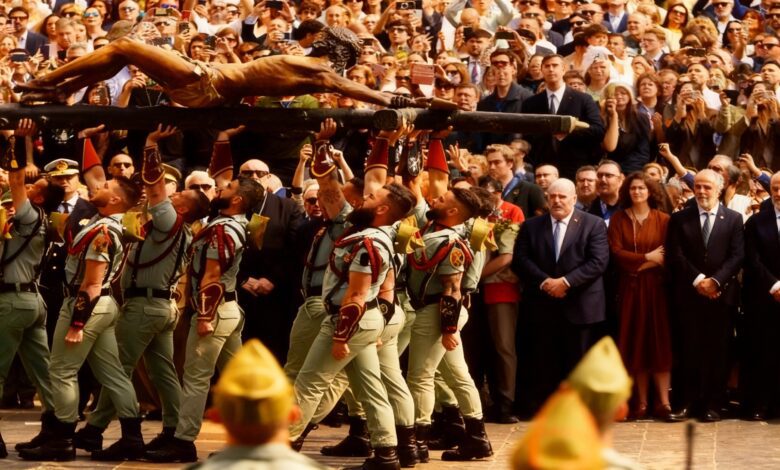
The Legion Parade in Malaga is not only a spectacle every year, but also a spark for lively debates about Spain’s past. At the center is the figure of José Millán-Astray, a man who did more than create a military unit—he turned it into a cultural phenomenon. His influence is still felt: the Legion’s aesthetics, rituals, and even its music have become ingrained in Spanish tradition. Yet behind this façade lies a complex and controversial personality.
A warrior and a symbol
Millán-Astray founded the Legion in 1920, taking inspiration from the French model but quickly giving it a distinctly Spanish character. He went beyond military reform—he built an entire philosophy around sacrifice and disdain for fear. His famous “Credo legionario” became an emotional manifesto, and the slogan “¡Viva la muerte!” symbolized readiness for self-sacrifice. Millán-Astray understood that appearances and rituals were just as important as discipline: parade uniforms, special songs, and theatrical marches were designed to make a striking visual impression. That’s why the Legion seamlessly became part of religious processions, establishing itself as a national ritual.
The war in Morocco changed Millán-Astray not only physically, but also psychologically. The loss of a hand and an eye, along with numerous wounds, became part of his image. His scarred body embodied the ideals of the Legion: resilience, courage, and absolute loyalty. In an era when visual image carried particular weight, Millán-Astray used his appearance as a statement that needed no words. He became a symbol of survival and struggle, and his personal story a powerful tool of propaganda.
Conflicts and challenges
Millán-Astray’s personality was always controversial. His way of speaking, gesturing, and behaving was deliberately theatrical, making him a notable figure not just in the military, but also in politics. His relationship with Franco and involvement in key events of the era expanded his influence, while also adding to the controversies. The most famous episode was his clash with Miguel de Unamuno—a collision of two worldviews, where military maximalism confronted intellectual skepticism. This case became a symbol of division in Spanish society: for some, Millán-Astray represented order; for others, he was a dangerous radical.
His character stood out just as vividly beyond the military sphere. Millán-Astray was a passionate supporter of Atlético, but did not shy away from social conflicts. One of the most well-known incidents occurred at the Chamartín stadium, where, after an altercation involving a diplomat’s wife, he was ejected from the box. Unwilling to accept this, Millán-Astray attempted to return by force and even challenged his opponent to a duel. According to russpain.com, this episode clearly illustrates his penchant for dramatization and his desire to resolve disputes by codes of honor—even when it involved a football match.
Memory and controversy
Today, Millán-Astray’s name still sparks heated debate. His connection to the Francoist regime and his role in shaping national symbols have made him a figure at the center of ongoing discussions about memory and identity. Issues concerning monuments, street names, and the use of Legionnaire symbols are regularly brought up in public discourse. Meanwhile, as El Español notes, every appearance of the Legion on the streets of Málaga draws an emotional reaction from thousands of spectators—for them, it is not about politics, but part of their cultural heritage.
Interestingly, such debates over symbols and historical figures are far from rare in modern Spain. For instance, the recent controversy surrounding the return of Juan Carlos I to Seville also prompted widespread discussion about the role of the monarchy and national memory. More on the public’s reaction to this visit can be found in the article about new rifts in the royal family.
Ultimately, Millán-Astray remains a figure that defies clear-cut assessment. His legacy is not just a chapter of military history, but also a cultural code that continues to shape perceptions of tradition and national identity.
José Millán-Astray is one of the most controversial figures of twentieth-century Spain. His biography blends military valor, political involvement, and a talent for creating symbols that outlived their creator. A similar phenomenon occurred with other military leaders whose names became part of the national myth, though few sparked such intense debate. In modern Spain, his image persists in parades, memory debates, and even football anecdotes, reflecting the complexity of the country’s historical legacy.