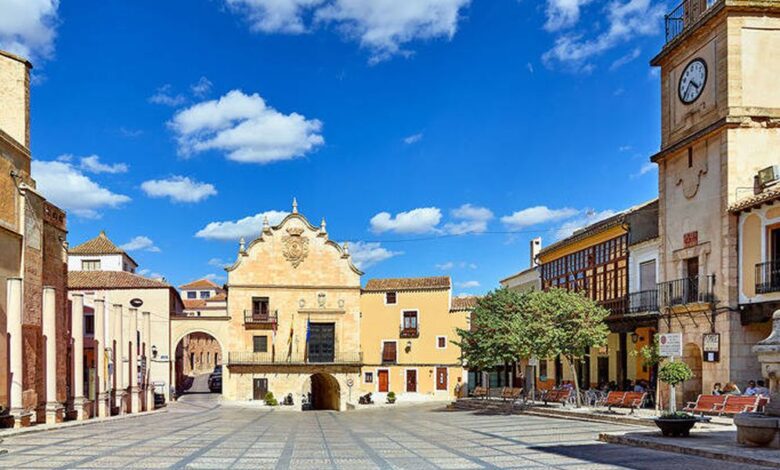
Amid the endless plains of La Mancha, where windmills still engage in a silent dialogue with the sky, lies a true treasure that, until recently, had escaped the notice of mainstream travelers. This is Chinchilla de Montearagón, a town whose authenticity and rich heritage have earned high praise from one of the world’s most prestigious publications. It’s a place where time seems to stand still, offering visitors more than just a tour—a full immersion into history.
Perched atop the hill of San Blas, Chinchilla has served as a strategic bastion for centuries. Its history is a palimpsest, bearing the marks of Iberians, Romans, Visigoths, and Arabs, before the Castilian crown finally established its rule here. Every stone in its streets, every curve of the fortress walls, tells a story of battles, sieges, and changing eras. The town has witnessed the rise and fall of empires, all reflected in its unique architectural appearance, which stands before us today in all its magnificence.
The undeniable focal point of the cityscape is the 15th-century castle, built by order of Juan Pacheco, Marquess of Villena. Its austere ochre walls and the deep moat carved directly into the rock still inspire awe today. This is more than just a fortress—it is a symbol of power and resilience. As you stroll along the narrow streets, you will discover other gems: the Church of Santa María del Salvador, where Gothic, Renaissance, and Baroque styles intertwine in a unique way, as well as numerous noble mansions with coats of arms on their facades and ancient monasteries that preserve a sense of coolness and tranquility.
But perhaps the most unusual place in Chinchilla is the neighborhood of cave houses, Cuevas del Agujero, nestled at the foot of the castle walls. These dwellings, carved into soft rock, with their whitewashed facades and conical chimneys, were originally a refuge for the Moriscos who were expelled after the uprising in the Alpujarras in the 16th century. Their history is steeped in drama: home to many generations, they later fell into disrepair and were only revived at the end of the 20th century. Today, many have been transformed into cozy rural hotels, allowing guests to experience the unique feeling of spending the night in an authentic cave house that has retained its original spirit.
Chinchilla de Montearagón is not a frozen open-air museum. Life still thrives here. The aroma of freshly baked bread from artisan bakeries wafts through the old town, reminding visitors of its unbroken bond with tradition. The local Museum of Traditional Ceramics houses more than two thousand exhibits, highlighting the importance of this craft to the region. A visit to this town is not only a chance to touch the past, but also to feel the rhythm of contemporary rural Spain, its tranquility and dignity.
It is this remarkable blend of majestic history, unique architecture, and living traditions that makes Chinchilla de Montearagón a must-visit place. It’s the perfect destination for those tired of standard tourist routes and seeking authentic experiences. From here, atop the hill, breathtaking panoramas of the La Mancha plains unfold, and in this silence and vastness the connection between eras and the grandeur of Spanish soil is felt most profoundly.