The Spanish royal family has once again found itself in the spotlight after King Emeritus Juan Carlos failed to appear at the funeral of Princess Irina, Queen Sofía’s sister. While the entire family gathered in Athens to support the queen during this difficult time, the former monarch chose to stay away. His absence sparked a wave of discussion and fueled fresh rumors about discord within the dynasty.
The funeral was held in the main cathedral of Athens, attended by representatives of European monarchies and close relatives. However, among those present were neither Juan Carlos nor his two grandsons—Froilán and Juan Urdangarin. Both cited work commitments as the reason for their absence, but these explanations were met with skepticism in Spanish society. This was especially the case after reports emerged that one grandson allegedly stayed with his grandfather to keep him from feeling alone.
A party in Geneva
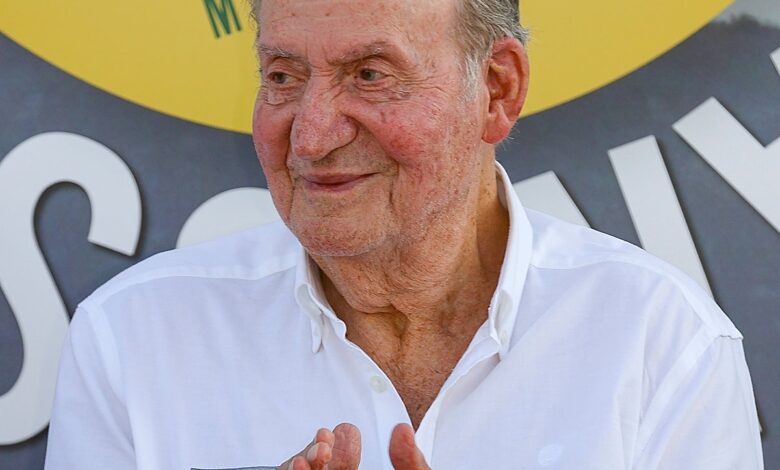
While somber speeches were being made in Athens, a private birthday celebration was underway in Geneva for Fuad II—the last King of Egypt. According to reports, Juan Carlos was spotted there. In the photos, he appears alongside influential guests, including the head of Asian aquatics federations from Kuwait. The chosen venue was a luxury hotel, long regarded as the unofficial residence of the Spanish ex-monarch in Switzerland.
This choice of venue and company raised questions even among loyal supporters of the royal family. Why did the former king opt for a social event instead of the memorial ceremony, where his presence would have signaled support for his wife? In his memoirs, Juan Carlos repeatedly expressed respect and warm feelings for Sofia, but his recent actions tell a different story.
The biographer’s version
The situation took a new turn when Juan Carlos’s biographer publicly denied that he was in Geneva. According to her, on the day of the funeral he was in Abu Dhabi, where he has lived since leaving Spain. The biographer claims that the king made an effort to attend the family lunch in El Pardo, but now his trips around Europe will be extremely rare.
These statements have only fueled confusion about the former monarch’s whereabouts. Spanish society is once again discussing how distant the members of the royal family have become. Many are wondering why Juan Carlos avoids public appearances at key family moments, and whether his return to Spain is now completely off the table.
Lack of support
Princess Irina’s funeral was not only a personal tragedy for Queen Sofia but also a litmus test for the entire dynasty. In the absence of Juan Carlos and his grandchildren, support from other family members was especially significant. The Greek royal family paid tribute to the deceased, yet there were losses here as well: British businesswoman Marie-Chantal Miller could not attend due to her mother’s illness, while her children stayed home because of school and work.
Spanish society is debating how deep the divisions run within the royal family and how this affects the monarchy’s image. Every new episode involving Juan Carlos’s absence from family events only fuels public interest in his personal life and relationships with relatives.
Family traditions
In recent years, Spain’s royal family has increasingly faced criticism for a lack of unity. Public displays of support have become rare, and private meetings are an exception. Against this backdrop, every move by Juan Carlos—whether appearing at a private party or refusing to travel to Europe—is seen as a sign of ongoing estrangement.
The question of the former monarch’s future role in the family and the country remains unsettled. His choices and actions continue to spark controversy, and society closely follows each new chapter of this unfolding drama.
Juan Carlos I is the former king of Spain who abdicated the throne in 2014 in favor of his son Felipe VI. Following a series of scandals and investigations, he left the country and settled in Abu Dhabi. Despite years spent away from his homeland, his name continues to spark lively debate within Spanish society. Juan Carlos remains a figure of both change and controversy, with his actions attracting ongoing scrutiny and discussion.