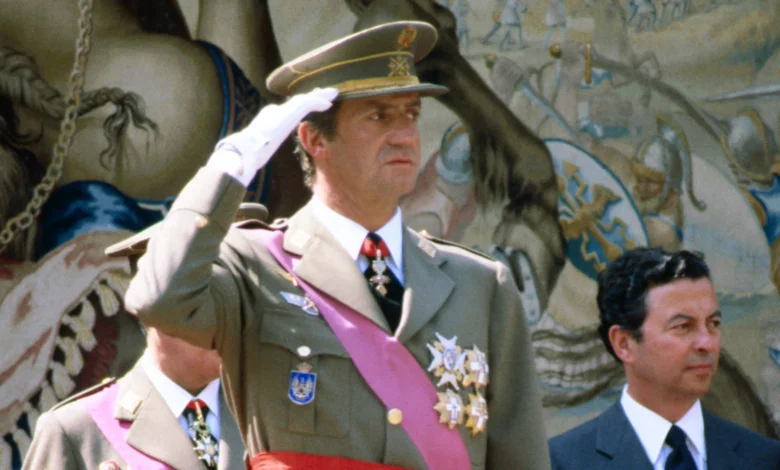
The release of previously classified documents sheds light on how King Juan Carlos viewed the situation in the country after the failed coup attempt on February 23, 1981. At the center is a personal letter sent on behalf of the monarch by his close adviser Sabino Fernández Campo to the head of Spanish intelligence, Emilio Alonso Manglano. In this message, written several months after the events, the king voices concern about the state of the armed forces and their attitude towards authority.
The letter contains not only reflections on the future of the military, but also specific concerns about possible sympathies for figures linked to the coup, especially Antonio Tejero. Juan Carlos insists on the need for open dialogue between the military and politicians to prevent further upheaval. He emphasizes that the views of top commanders must be heard and the issues facing the armed forces should not be ignored. Particular attention is paid to how the public perception of the military has changed since the transition to democracy: the monarch notes that the army has found itself in a difficult position as its traditional authority has come into question.
The king’s private anxieties
In the letter, the king shares his concerns that democratic changes and freedom of the press have led to the army becoming a target of criticism and even ridicule. He believes that such attitudes could undermine the morale of the military and create conditions for new conflicts. Juan Carlos notes that the press often becomes a tool for spreading destabilizing ideas and calls on state institutions to defend the army if the media do not.
Particularly noteworthy is the episode where a copy of a military tailor’s business card, encrypted with Tejero’s name, was handed over. This gesture underscores how seriously the monarch regarded even the smallest signs of hidden sympathies for the coup organizers. According to the king, such details should not be overlooked to prevent a repeat of tragic events.
Dialogue and responsibility
The letter also reflects Juan Carlos’s desire to establish constructive cooperation between the army and the civilian government. He recalls his efforts to restore trust after the liberation of parliament and emphasizes that only honest and open dialogue can help overcome distrust. The monarch admits he is concerned not only about internal issues, but also about how Spain is perceived internationally. In particular, he mentions being forced to cut short his private trip to the UAE due to worrying news from Madrid, in order not to create an impression of instability.
The king calls on both the military and politicians to show tact and sincerity when discussing sensitive issues. He emphasizes that he does not intend to interfere in constitutional processes, but believes it is his duty to be aware of the difficulties faced by the army in order to help address them. This approach demonstrates the monarch’s desire to be not only a symbol of unity but also an active participant in the country’s stabilization process.
The army and society
The letter also touches on changes in society’s attitude towards the military. Juan Carlos notes that democratization has led to a decline in respect for the army, something he regrets. He believes that the military deserves greater recognition for its role in the country’s history and its contribution to maintaining order. The monarch stresses that without support from society and the authorities, the armed forces may feel isolated, which is dangerous for the stability of the state.
In this context, it’s worth recalling how attitudes toward the royal family and its role in the state have evolved in recent years. For example, according to russpain, debates over the monarchy’s budget and income in 2026 sparked significant public debate, reflecting ongoing interest in questions of power and trust in Spain. More on this can be found in the piece about new details of royal family funding.
In the final part of his letter, Juan Carlos addresses both sides—the military and civilians—urging an honest assessment of the situation. He emphasizes that only joint efforts can help overcome the crisis and strengthen trust between the army and society. The monarch does not offer ready-made solutions, but makes it clear that the problems can no longer be ignored.
Juan Carlos I, who was King of Spain from 1975 to 2014, played a pivotal role in the country’s transition from dictatorship to democracy. His decisive actions during the attempted coup on February 23, 1981, became a symbol of the defense of constitutional order. Despite later controversies and criticism, Juan Carlos remains one of the most discussed figures in Spain’s modern history, and his relationship with the military and the state continues to spark interest across generations of Spaniards.