In the very heart of Valencia, where the city’s bustle gives way to the rustle of leaves, lies a place that can impress even the most seasoned traveler. The Botanic Garden of the University of Valencia is more than just a park—it’s a living monument to history, science, and humankind’s passion for nature. Beyond its gates awaits more than a collection of plants: it’s an open-air laboratory where past and future intertwine, and rare species get a second chance at life.
Origins and Transformations
It all began in the 16th century, when a small garden for medicinal herbs first appeared in Valencia. Back then, future doctors learned to recognize healing plants in order to save lives. Centuries later, this humble plot became a true botanical sanctuary, with every tree and shrub bearing traces of history. The garden’s relocation in 1802 marked a turning point: large-scale experiments began here, and the collection was enriched with exotic species from around the world.
Today, more than 4,500 plant species from five continents flourish across four hectares. The space is designed so visitors can quite literally journey through different climate zones, observing how nature adapts to the harshest conditions. Special attention is given to collections that reveal the fascinating survival strategies of plants and their vital role in human life.
Living Giants and Green Relics
A special highlight is the so-called Botanical School—the oldest part of the garden, home to veteran trees that have witnessed more than one era. Some of them remember events from nearly two centuries ago. Walking among these giants creates the feeling of entering another world, where time flows differently. Here you can find rare species that have disappeared from the wild but continue to thrive thanks to the care of scientists.
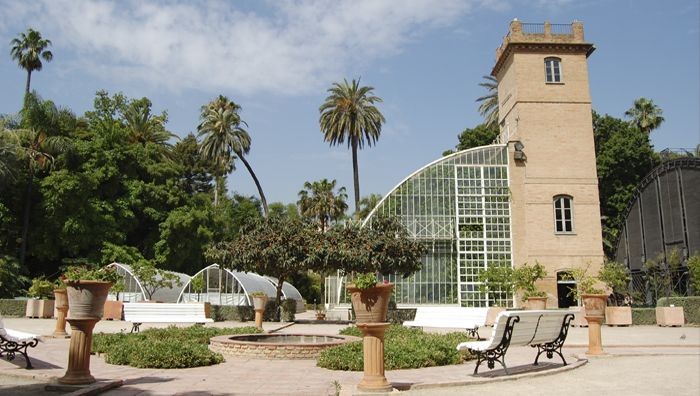
In the 19th century, the garden saw the appearance of unique greenhouses that became home to tropical and humid-climate plants. Inside, the air is moist, colors burst all around, giant ferns, exotic orchids, and even carnivorous plants that can astonish anyone. Every visit to these glass pavilions is different: scents, colors, and even sounds shift with the seasons.
The Mediterranean and experiments
Local flora holds a special place in the collection. Here you can learn which plants are found on the region’s coast and mountains and discover amazing inhabitants of deserts and water bodies. Some exhibits focus on plants that survive in extreme conditions—their shapes and defense mechanisms are truly impressive.
The garden is not limited to being an open-air museum. It is an active scientific center where research is conducted to preserve endangered species. Scientists work to restore populations of rare and endemic plants in order to maintain the region’s biodiversity. Thanks to these efforts, many species on the brink of extinction have a chance to return to the wild.
Mission and Significance
The Botanical Garden of Valencia is more than just a place for walks and photographs. It is a space where everyone can feel part of a great experiment in nature conservation. Educational programs, tours, and workshops are held here to demonstrate how fragile and valuable the plant world is. For city residents, the garden has become a real refuge from the bustle, and for scientists, a testing ground for new discoveries.
In recent years, the garden has been actively involved in international flora protection projects, exchanging expertise with leading botanical centers in Europe and implementing innovative methods of plant care. All this makes it not only the oldest but also one of the most modern botanical gardens in the country.
The Botanical Garden of the University of Valencia is a unique scientific and educational center founded in 1567. Over its long history, it has evolved from a small vegetable garden for medical students into the largest botanical complex in Spain. Today, it houses thousands of plant species, many of which are endangered. The Garden is actively engaged in scientific research, educational programs, and international collaboration, playing a key role in preserving the region’s natural heritage.