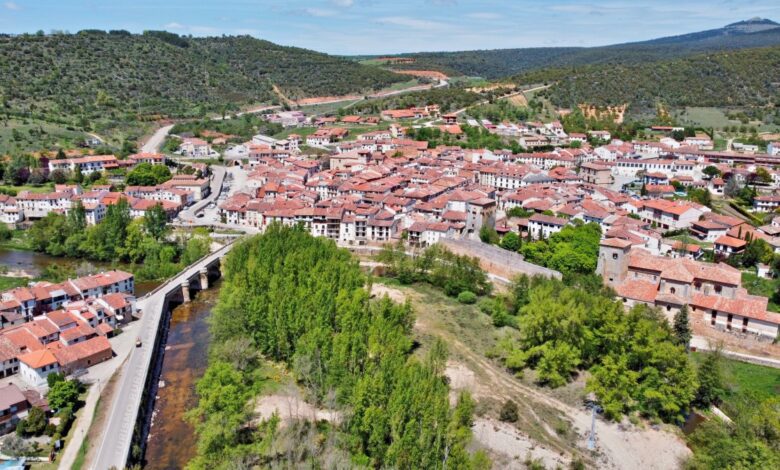
In recent years, Covarrubias, a tiny village in the province of Burgos, has unexpectedly come into the spotlight among travelers and fans of unique routes. The reason is simple: the atmosphere here is so authentic that it feels like stepping into the set of a famous fairy tale. For many visitors, strolling through these streets is like a true journey through time, where every house and every stone holds traces of bygone eras.
Ancient facades, wooden beams, cobbled paths, and cozy squares create the impression that time stands still here. Covarrubias has not only preserved its historical appearance—it has become a living illustration of medieval life. Tourists note that the village evokes French settlements made famous by cinema, yet it retains a distinctly Spanish character and a special warmth.
Historical roots
The history of Covarrubias stretches back through the centuries. Archaeological findings show that these lands were inhabited as far back as the Paleolithic era. Traces of the Bronze Age and Celtiberian tribes have been found here, followed later by Roman fortifications and artifacts, including coins and religious objects. In the Middle Ages, the village endured destruction but by the tenth century had revived and become an important center for the local nobility.
In the 15th and 16th centuries, Covarrubias experienced its heyday. During this period, a powerful estate emerged here, leaving a significant mark on the history of Spain. Architectural monuments built in that era still adorn the town’s streets and squares. However, the village was not spared from tragic events: at the end of the 16th century, an epidemic reduced the population, and to combat the disease, the city walls were demolished for better ventilation.
Architectural gems
Covarrubias’s greatest pride is its architectural heritage. The town has preserved unique examples of traditional Castilian architecture: houses with coats of arms, majestic towers, and ancient churches. Of particular note is the church of San Olav—the only church in Spain built in the Scandinavian style. It is dedicated to the Norwegian princess Kristina, who came to these lands to marry Infante Felipe.
Visitors can stroll along arcaded streets, peek into former palaces and archives, and visit museums where rare books and historical documents are collected. Among the religious landmarks, the ex-collegiate church of San Cosme and San Damián stands out, still retaining the spirit of medieval grandeur. The remains of the ancient walls and monuments to notable figures associated with the village’s history are equally fascinating.
Gastronomy and traditions
Covarrubias is renowned not only for its architecture but also for its culinary traditions. Local restaurants serve dishes made with fresh meats, seasonal vegetables, the famous cherries from nearby valleys, and wines with the protected Arlanza designation. Every year, vibrant events are held here: the black truffle festival, traditional meat fairs, and cultural gatherings dedicated to women creators.
For those seeking not just visual experiences but new flavors, Covarrubias is a true discovery. Gastronomic festivals attract guests from across the country, and locals are happy to share the secrets of ancient recipes. On such days, the village is filled with music, aromas, and laughter, becoming a magnet for those who appreciate authentic Spain.
Legends and notable figures
Covarrubias is connected with many stories and legends. A special place belongs to Kristina of Norway—the princess whose fate intertwined with the history of Castile. Her arrival in Spain became a significant event, leaving a mark not only on local culture but also on architecture: the unique church of San Olav was built in her honor. In addition, the village has produced renowned doctors, scientists, and statesmen whose names are still remembered in the region.
Every corner of Covarrubias preserves memories of the past. Here, you can find monuments dedicated to heroes and prominent personalities as well as learn about lesser-known chapters of Spanish history. For lovers of mysteries and intrigue, this place is a real find, where every facade hides a new story.
Covarrubias is more than just a tourist attraction—it’s a living monument to Spanish history and culture. Here, a medieval ambiance merges with unique architecture and rich traditions. The village continues to impress visitors with its appearance, while locals carefully preserve their ancestral heritage, making every visit unforgettable.
Kristina of Norway, whose fate is closely linked to Covarrubias, was the daughter of the King of Norway and became one of the most renowned foreigners to arrive in Castile in the 13th century. Her marriage to Infante Felipe was not only a dynastic alliance but also a symbol of cultural exchange between northern and southern Europe. In her honor, the village built the church of San Olav, which became the only monument to the Vikings in Spain. Kristina’s personality continues to fascinate historians and travelers alike, and her story has become part of the local identity.