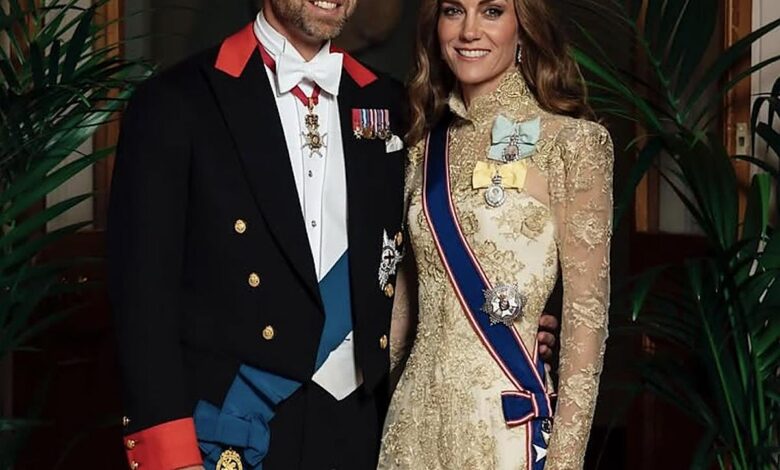
In recent years, Europe’s royal families have found themselves increasingly at the center of major scandals. Even the most reserved and respected institutions cannot withstand the onslaught of social media and public scrutiny. In the United Kingdom, Prince William has taken an unexpected step by bringing a professional crisis manager onto his team to minimize the fallout from family conflicts and public revelations. This move sparked heated debates not only within British society but also far beyond its borders.
In Spain, where the monarchy has traditionally preferred to remain silent and maintain distance, such a strategy has not yet been adopted. However, amid new challenges and growing pressure on the royal family, the question of involving crisis management experts is becoming increasingly relevant. This issue has become particularly acute after a series of scandalous statements and memoirs from former King Juan Carlos, which shocked the public and threatened the reputation of the entire dynasty.
The British approach
In the UK, Prince William’s decision to hire a crisis management specialist became a real sensation. The new member of his team is a professional with an impressive track record, having worked at leading international companies and possessing experience in managing reputational risks. Their task is not only to protect the family’s interests, but also to prevent information leaks that could damage the monarchy.
When every step of the royal family is scrutinized in the press and on social media, this approach seems quite justified. Especially considering that in recent years the British monarchy has faced a series of crises—from scandals surrounding Prince Harry to allegations against other relatives. The public reaction to these events has often been unpredictable, and the consequences have been painful for the crown’s image.
Spanish caution
In Spain, the situation is unfolding differently. Here, the royal family traditionally adheres to a policy of restraint and avoids public comment on sensitive issues. Communications for the House of His Majesty are handled by a team of experienced professionals who prefer to work behind the scenes and keep internal matters out of the public eye.
However, in recent years even this strategy has shown cracks. The sensational revelations of former king Juan Carlos, his public statements, and the publication of memoirs have all put the entire system to the test. Increasingly, the public is asking: is it time for the Spanish monarchy to rethink its crisis management and learn from the British experience?
Challenges for Felipe and Letizia
King Felipe VI and Queen Letizia find themselves in a difficult situation. On one hand, they are committed to preserving the dignity and authority of the monarchy; on the other, they must respond to new threats that seem to arise out of nowhere. They have a team of professionals in charge of communications and internal processes, but so far there are no specialists dedicated solely to crisis management.
The question of bringing in such an expert is becoming increasingly urgent. In today’s information wars, no one is spared, and reputational damage can be irreversible. Spanish society closely follows every move the royal family makes, and any misstep can ignite a new wave of criticism.
The Future of the Monarchy
With public trust in the monarchy declining and scandals becoming increasingly damaging, the Spanish crown faces a choice: maintain its tradition of silence or embrace modern crisis management strategies to defend itself against new threats. The example set by their British counterparts shows that prompt action and a professional approach can be decisive in safeguarding reputation and public trust.
RUSSPAIN notes that King Felipe VI has been on the throne since 2014 and is known for his efforts to modernize the monarchy and make it more transparent. Queen Letizia, a former journalist, is actively involved in public life and supports social initiatives. Despite efforts to update their image, the royal family regularly faces challenges related to its past and internal conflicts. The question of whether new reputation management strategies are needed remains open and is a topic of ongoing interest in Spanish society.