A new exhibition is opening in Seville that may change perceptions of the aristocracy’s role in modern Spain. Dedicated to the centenary of the Duchess of Alba’s birth, the showcase brings together more than two hundred unique artifacts, many of which had never been accessible to the public before. The participation of King Felipe VI is particularly noteworthy, highlighting the event’s importance for the entire country. Organizers emphasize that this exhibition is not only about the past, but also about how the Duchess’s legacy has influenced the cultural and public life of Andalusia.
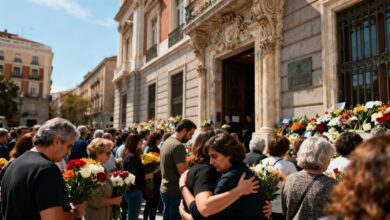
On opening day, the halls of the Las Dueñas palace filled with not only members of the Duchess’s family but also public officials, including Andalusian president Juan Manuel Moreno. Among the guests were close friends of the Duchess and her last husband, Alfonso Díez. According to Mujerhoy, King Felipe is using his visit to the region to stop by the Dos Hermanas municipality and the Aspace Sevilla center for supporting people with disabilities, giving the celebration a strong social dimension.
Personality and legacy
The exhibition is organized into five thematic sections, each revealing different aspects of the life of the Duchess of Alba. Visitors will see not only paintings, jewelry, and personal belongings, but also documents reflecting her contribution to the development of art and her support for young talent. A special focus is placed on her archival correspondence with prominent international figures, including the Queen of the United Kingdom and Jacqueline Kennedy. This approach offers a glimpse of the duchess not only as a symbol of her era, but also as a person who influenced Spain’s international cultural relations.
Organizers emphasize that this exhibition is more than just a collection of artifacts—it is an attempt to showcase the inner world of the duchess, her passion for art, fashion, and tradition. Special attention is given to her role in promoting flamenco, supporting bullfighting, and shaping the image of modern aristocracy. The exhibition traces the influence of her family—from her father, Duke Jacobo, to her first husband, Luis Martínez de Irujo—allowing visitors to understand how her character and views were shaped.
Memory and New Endeavors
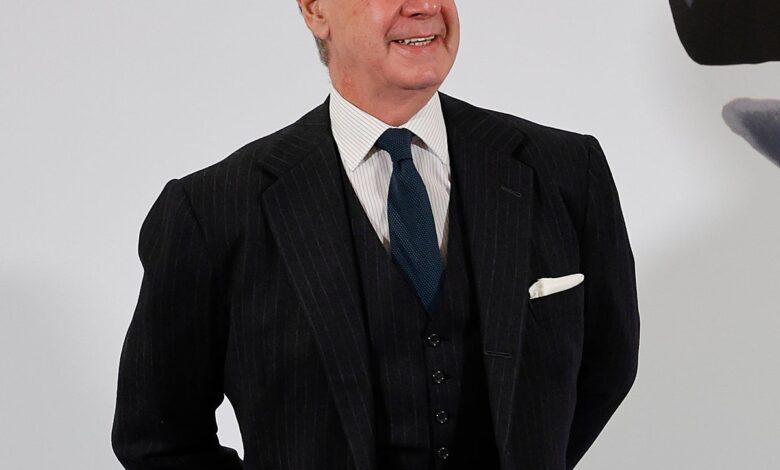
A series of events is planned in Seville to mark the centenary of the Duchess of Alba’s birth. According to Mujerhoy, the Duchess’s son, Cayetano Martínez de Irujo, is personally overseeing the organization of the exhibition and accompanying events. The program includes not only exhibitions, but also flamenco concerts, book presentations, conferences, and documentary screenings. This wide-reaching approach helps draw attention to different facets of the Duchess’s life and brings her legacy closer to new generations.
A major part of the centennial program will be the release of a family-prepared biography and the premiere of the documentary series ‘Cayetana, a Duchess for All.’ These projects aim not only to preserve the Duchess’s memory, but also to highlight how her life’s journey is intertwined with the history and culture of Andalusia. Organizers expect the exhibition and related events to attract both local residents and tourists, as well as spark discussion about the role of women in Spanish society.
The Duchess of Alba, Cayetana Fitz-James Stuart, was one of Spain’s most renowned and influential women of the 20th century. Her life was marked by extraordinary freedom and independence, and her passion for art and tradition made her a symbol of Andalusian culture. She actively supported artists, collected works of art, and painted herself. Her home, the Las Dueñas Palace, became not only a family residence but also a cultural hub, where people from different eras and perspectives gathered. The duchess’s influence is still felt today, and her biography continues to inspire new admirers of history and art.