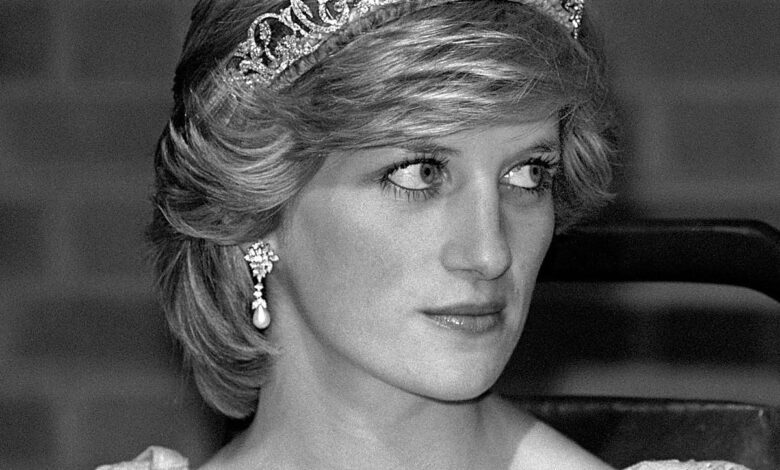
When millions of viewers around the world watched the wedding of Diana Spencer and Prince Charles, few realized that the bride was wearing not a royal, but a family tiara. Diana, a descendant of an ancient lineage, wanted to emphasize her individuality and show that her story is no less significant than that of the Windsors. On that July day in 1981, she entered St. Paul’s Cathedral on her father’s arm, displaying not just elegance but also respect for her roots.
The Spencer Tiara is more than just a piece of jewelry; it is a family heirloom, assembled from several precious elements, each with its own history. The central section of the tiara was gifted to Diana’s grandmother, Lady Cynthia Hamilton, in the early 20th century. The edges are even older, dating back to the 19th century when they belonged to Frances, Viscountess Montagu. In the 1930s, the jeweler Garrard combined these pieces, added new elements, and created the tiara that is now recognized throughout the world.
Family pride
Diana’s choice was deliberate. She wanted not only to stand out among the royal family but also to show her pride in her heritage. The Spencer Tiara adorned not only Diana but also other women of her family: her older sisters, Sarah and Jane, both wore it on their wedding days. Diana’s mother, Frances, on the other hand, declined this tradition, which only highlights the individuality of each woman in the family.
After the wedding, the tiara didn’t disappear from the public eye. Diana often wore it at official events, favoring the lightness and comfort of the family heirloom over the Cambridge Lover’s Knot Tiara gifted by the Queen. It was said that the royal piece gave her headaches, while the Spencer Tiara felt like an extension of her own soul.
Journeys and Traditions
The jewel accompanied Diana to many corners of the world. In 1983, she dazzled in it during visits to Australia and New Zealand, and four years later—in Germany. Even in the final years of her life, the princess rarely parted with the tiara, appearing with it at official receptions in India and South Korea. After Diana’s tragic death, the tiara returned to the family estate at Althorp, where it remains to this day.
In 2018, the tiara returned to the spotlight when it was worn by Diana’s niece, Celia McCorquodale, at her own wedding. This became a symbol of continuity and respect for family tradition. The tiara was also displayed at an exhibition dedicated to Queen Elizabeth II’s Platinum Jubilee, which brought together Britain’s finest examples of aristocratic jewelry.
Details and Symbols
The Spencer Tiara was not the only family heirloom Diana chose for her big day. She completed her look with large pear-shaped diamond earrings that once belonged to her mother, and the famous sapphire engagement ring that is now worn by Kate Middleton. Every accessory was carefully selected to highlight not just royal status but also the personal story of the bride.
Family heirlooms like the Spencer Tiara become more than just jewelry—they are true symbols of continuity and independence. In a world where royal traditions often impose strict rules, Diana’s choice challenged convention and reminded everyone that personal history matters more than protocol. Her decision still inspires admiration and conversation today, and the tiara itself remains one of the most recognizable symbols of British aristocracy.
RUSSPAIN reminds readers that Diana Spencer, who became Princess of Wales, was one of the most famous and beloved figures in the British monarchy. Her style, charity work, and personal courage made her an icon for millions worldwide. The Spencer family is one of the oldest aristocratic lineages in England, with their family jewels kept at Althorp estate. The Spencer Tiara is still considered one of the most beautiful and significant relics of the British nobility.