The release of the film ‘El 47’ has become a notable event for Barcelona and all of Spain. The movie not only brought forgotten chapters of the city’s history back to light but also offered a new perspective on neighborhoods long left in the shadows. Filming took place in real locations, giving the film a unique authenticity and emotional depth. For the residents of Torre Baró, this became a source of pride, and for viewers—a chance to see the city from an unexpected angle.
At the heart of the story is the confrontation between an ordinary bus driver and the city authorities. Manolo Vital, who became a symbol of perseverance, challenged the bureaucracy to prove that his neighborhood deserved proper transport connections. This story, based on true events, still sparks debates about fairness and equality in the distribution of urban resources. As reported by Idealista, the film crew chose not only iconic spots like Plaça de Catalunya and the city hall for their work, but also Torre Baró itself, where locals actively took part in crowd scenes.
The face of the neighborhood
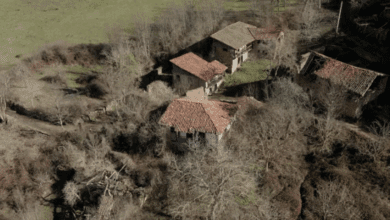
Torre Baró is more than just a backdrop—it’s a true protagonist in the film. This neighborhood, located in the northeast of Barcelona, remained isolated for a long time due to its challenging terrain and lack of infrastructure. Narrow streets, steep slopes, and self-built houses all created a distinctive atmosphere, which is vividly captured on screen. In 1978, after years of protests, bus number 47 finally arrived here, marking a turning point for local residents. Since then, the area has gradually changed, but it has preserved its unique character and strong sense of community.
Today, Torre Baró is a small but tight-knit neighborhood with a population of about 3,000. The spirit of solidarity is still felt here, and the old castle on the hill stands as a reminder of its complex history. Despite recent modernization, the area remains a special corner of Barcelona where past and present are closely intertwined.
Filming process
Production took place in the summer of 2023. The creators deliberately chose not to use studio sets in order to maintain authenticity. Local residents of Torre Baró participated in the crowd scenes, many of whom personally remember the events that inspired the story. This approach provided maximum realism and emotional depth. Key episodes were filmed on the main streets of the city to emphasize the importance of the district’s fight for its rights.
Special attention was paid to details, from authentic buses to recreating the atmosphere of the late 1970s. Thanks to this, viewers are truly immersed in an era when every step forward was hard-won. According to Idealista, involving local residents was not just a technical necessity but also an act of recognizing their contribution to the city’s history.
Success and recognition
The film “El 47” quickly gained acclaim from critics and audiences alike. At the Goya Awards ceremony in 2025, the picture won several prizes, including Best Film and Best Actor. Eduard Fernández’s portrayal of Manolo Vital was praised for its depth and sincerity. Supporting roles, special effects, and the producer’s work were also recognized by industry professionals.
The cast features renowned Spanish actors, each of whom contributed to creating a collective portrait of Torre Baró’s residents. This approach allowed not only for a personal story to be told but also to show how individual initiative can change the life of an entire neighborhood.
The story of Manolo Vital and the Torre Baró neighborhood recalls other instances when residents of Spanish cities achieved change despite the odds. For example, in the early 2000s, a similar struggle unfolded in a Madrid district, where locals also demanded better transportation access. As with Torre Baró, success then became possible thanks to the persistence and unity of the people. These examples prove that even small communities can influence government decisions and improve the urban environment.