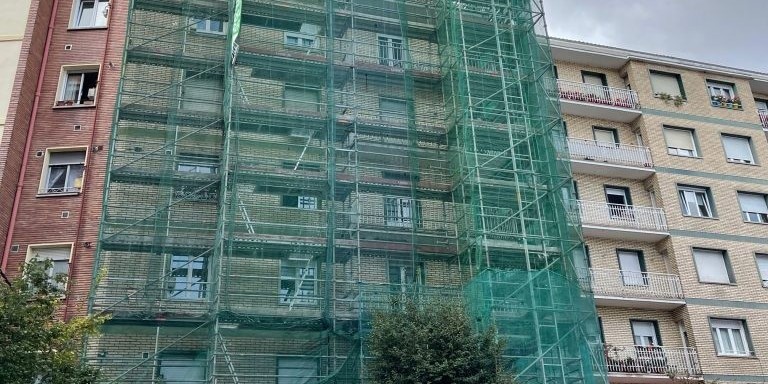
Over the next five years, Spain plans to make an unprecedented leap in building energy efficiency. The country will need nearly 40 billion euros to bring its residential and commercial buildings up to new European standards. By 2050, all buildings must eliminate harmful emissions, and by 2030, they need to cut energy consumption by at least 16%. These ambitious targets have been set for the country under the updated EU Energy Efficiency Directive.
Authorities have already begun developing a national plan designed not only to replace previous strategies but to set a new pace for the entire construction sector. The emphasis is not only on major renovations of old homes, but also on the deep modernization of office and retail buildings, which are considered the biggest energy consumers.
According to the Ministry of Housing, Spain has one of the oldest and least energy-efficient housing stocks in Europe: 9 million buildings and 26 million apartments require upgrades. The commercial sector includes another 370,000 properties that are also targets of these reforms.
Who will pay for the large-scale reconstruction, and how?
Of the nearly 40 billion euros needed to implement the plan, the government will cover just under a third of the costs—around 11.3 billion. These funds will come from various programs, including the new State Housing Plan for 2026–2030 and European climate initiatives. The remaining amount will be raised through private investment and existing support programs.
Authorities assure that the investments will pay off not only by reducing electricity bills but also by creating new jobs. According to forecasts, from 2023 to 2030 alone, half a million new jobs related to building modernization will be created in the country. In addition, a significant reduction in energy poverty and an improvement in urban quality of life are expected.
Special attention is being paid to so-called ‘deep’ renovations, as they deliver maximum energy savings. On average, about 540,000 apartments are upgraded annually in Spain, but only 31,500 of these undergo major overhauls with all the necessary permits. Now, the authorities aim to increase the share of such projects to move closer to European targets.
Spain outpaces European standards in reducing energy consumption
Notably, Spain is already outperforming Brussels’ expectations. By 2023, the country reduced residential energy consumption by 10%, and by 2030 aims to reach 25%—well above the EU’s minimum threshold. A one-third reduction is expected by 2035, with complete emissions neutrality targeted for 2050.
The approach in the commercial sector will be more targeted: by 2030, 16% of the least efficient buildings will undergo modernization, increasing to 26% by 2033. By 2050, all buildings are expected to meet the ‘zero-emissions’ standard. To achieve this, the ministry will conduct a thorough inventory to identify which properties require urgent renovation.
At the same time, Spain is integrating this plan into its national energy and climate strategy to ensure a comprehensive approach. Officials stress: this is not just about construction, but about setting new living standards for millions of citizens.
Seven priorities and dozens of measures—what will change for residents
The national building renovation plan covers seven key priorities and over fifty specific measures. These include support for energy-efficient renovations, development of sustainable urban areas, combating energy poverty, introducing innovation and renewable energy, as well as educational and awareness programs for the public.
The document outlines a phased implementation of all initiatives: by the end of this year, the project will be submitted to the European Commission for review, and by the end of 2026 it should receive final government approval. In 2030, the plan faces its first major evaluation—at that time, Spain will have to report on its progress and, if necessary, adjust its strategy.
Authorities promise that no region will be overlooked and all segments of the population will have access to support programs. Special emphasis is placed on informing and educating citizens so that everyone can contribute to the common cause.
RUSSPAIN.COM reports that
The Ministry of Housing of Spain (Ministerio de Vivienda) is the key government agency responsible for implementing national programs in housing, urban development, and architecture. In recent years, the ministry has actively promoted initiatives to modernize the housing stock, implement energy-efficient technologies, and combat energy poverty. Under the leadership of Minister Isabel Rodríguez, the ministry has become one of the driving forces of reform in the construction sector, and its projects have gained recognition at the European level. As part of its current strategy, the ministry closely collaborates with other ministries, regional authorities, and the private sector to ensure a comprehensive approach to urban renewal and improving the quality of life for Spaniards.