Spain is witnessing a new wave of debate after the authorities unexpectedly approved the emergency legalization of hundreds of thousands of migrants. For many residents, this is not just another headline — the changes will affect the economy, social sphere, and even the political climate. The issue of migrants’ status has long been divisive, and now, with the decision made, tensions are only rising.
For a long time, the initiative for mass legalization of migrants seemed stuck in parliamentary corridors. Despite strong support from the church and numerous associations, political disagreements stalled the process. Partido Popular was especially vocal in its opposition, insisting on tougher migration policies. However, the situation changed dramatically after a surprise agreement between the government and Podemos enabled bypassing parliamentary hurdles and adopting the decision through royal decree.
The role of the Church
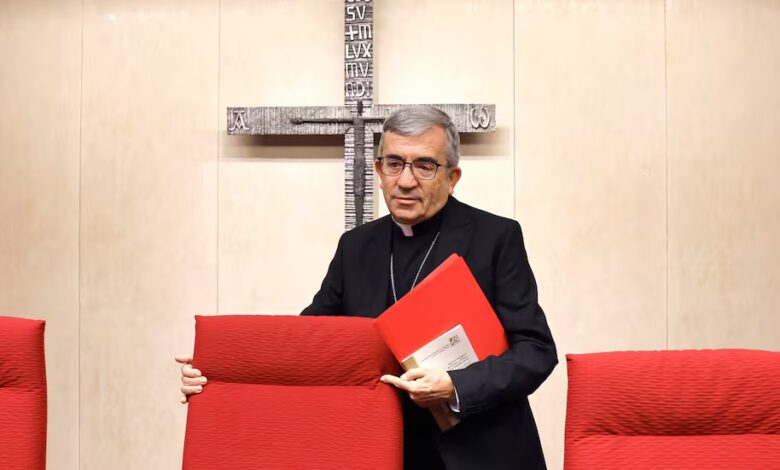
The Catholic Church in Spain found itself at the heart of events. Archbishop Luis Argüello, head of the Conference of Bishops, publicly supported the new approach, emphasizing that legalization is a recognition of the dignity of people who have long lived and worked in the country. According to him, many migrants contribute to the economy, participate in the life of schools, medical institutions and social services, but until now have remained in the shadows.
For a year and a half, the church tried to act as a mediator between political forces, sending letters and calls for dialogue. Arguëllo’s spring conversation with a Partido Popular representative played a special role; after this meeting, the party agreed for the first time to consider the initiative in Congress. However, despite these efforts, the final decision was not made through parliament, but rather bypassed it—using a royal decree.
Public consensus
A major factor was the pressure from more than a thousand organizations and associations, which gathered hundreds of thousands of signatures in support of legalization. According to Arguëllo, it was this broad public consensus that became the key to the decision being made. He also noted that joint efforts by diverse groups—from religious to business and even anarchist—demonstrated that migration goes beyond political differences.
In an official statement signed by church and charitable organizations, the new measure was described as an act of social justice and a necessary addition to the existing migration law. In their view, this would give a chance to those unable to benefit from standard procedures for obtaining legal status.
Criteria and details
The details of the document remain unknown for now, but it is already clear that legalization will apply to those who are in Spain until the end of 2025 and have no serious legal issues. Authorities emphasize that this concerns people who are already integrated into society and contribute to the country. According to experts, this could affect up to half a million people, who will now be able to work officially and enjoy all rights.
At the same time, church representatives remind that migrant integration is a long and complex process that demands effort not only from the government but from society as a whole. Spain has over a hundred migrant support centers, where tens of thousands of people receive assistance every year.
Political disagreements
The reaction from politicians was predictably sharp. Leaders of Partido Popular and Vox accused the government of trying to divert attention from other problems and even attempting to change the country’s demographic composition. Meanwhile, the coordinators of the legalization initiative stress that this success became possible thanks to grassroots pressure, not political agreements.
Interestingly, supporters of legalization include organizations with diametrically opposed views — from communists to entrepreneurs and even sex worker unions. This highlights how the migration issue has become a unifying factor for various segments of society.
The future of the initiative
Despite the decision made, the parliamentary initiative to legalize migrants has not been officially closed. According to coordinators, it may be reconsidered in the future if necessary or if the current decree is repealed. In any case, the government’s latest move has already set a precedent that could change the approach to migration policy in Spain and even across the European Union.
For now, the public is closely watching events unfold, while experts debate whether the new measure will lead to real integration or simply deepen political divisions. One thing is certain: the issue of migration is once again at the center of the national agenda, and its impact will be felt by everyone in the country.