Signing a rental agreement is just the starting point in the relationship between a tenant and a property owner. The most complex questions often arise later, especially when something in the apartment breaks down. To prevent disputes, Spanish law—specifically the Urban Lease Law (LAU)—clearly defines the financial responsibilities of each party. The main rule states that the owner is required to maintain the property in a habitable condition. This means all major repairs necessary to ensure comfortable and safe living conditions fall under the owner’s responsibility. This covers issues such as heating, plumbing, electrical systems, or the building’s structural elements. The owner is not allowed to increase the rent due to these repairs. There are only two exceptions: if the damage is caused by the tenant or results from force majeure that leads to the destruction of the property.
On the other hand, the tenant also has responsibilities. They must tolerate any necessary maintenance work, even if it causes inconvenience or temporarily restricts the use of part of the property. However, if repairs last more than 20 days, the law gives the right to a proportional reduction of the monthly rent. The tenant’s key obligation is to immediately inform the owner of any discovered defects so they can be checked. If an urgent situation arises, the tenant may fix the issue themselves and then demand reimbursement of expenses from the landlord.
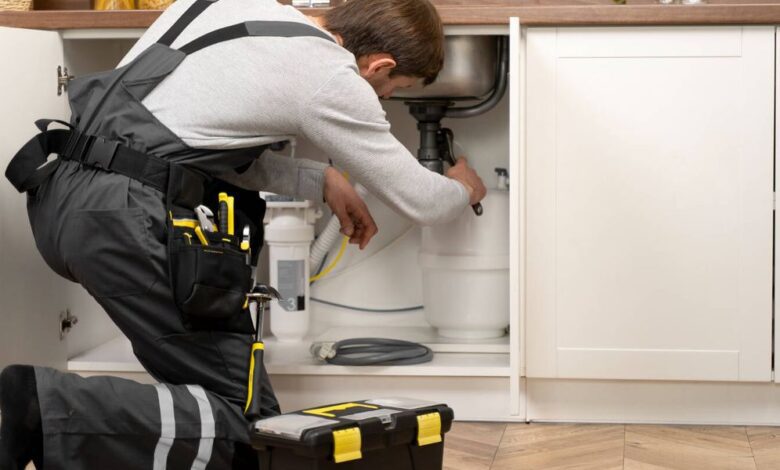
At the same time, minor routine repairs related to everyday use fall under the responsibility of the tenant. Replacing a burnt-out light bulb, fixing blinds, or repairing a toilet tank—these are all examples of wear and tear, costs which should be covered by the tenant. In other words, the tenant pays for fixing damages resulting from normal use or caused by themselves or their guests. However, if major household appliances provided with the apartment break down, it’s the owner’s responsibility—unless it’s a minor issue like replacing a filter or an indicator.
In more complicated cases, such as flooding, liability is determined by the source of the problem. If the tenant forgot to turn off the tap, they will be responsible for the consequences. If a pipe bursts inside the apartment, the costs fall on the owner. But if the incident occurs in the building’s common infrastructure, it becomes an issue for the residents’ association to address.
When it comes to any modifications a tenant might want to make on their own initiative, the rules are very strict. Article 23 of the LAU explicitly prohibits making any changes to the structure or appearance of the property without the owner’s written and clearly expressed consent. Absolutely no work is allowed that could compromise the safety or stability of the building. If a tenant ignores these requirements, at the end of the contract they not only risk losing their security deposit but may also be required to restore the property to its original condition at their own expense. The owner has another option as well: they can keep all improvements without providing any compensation.