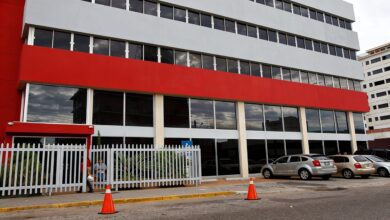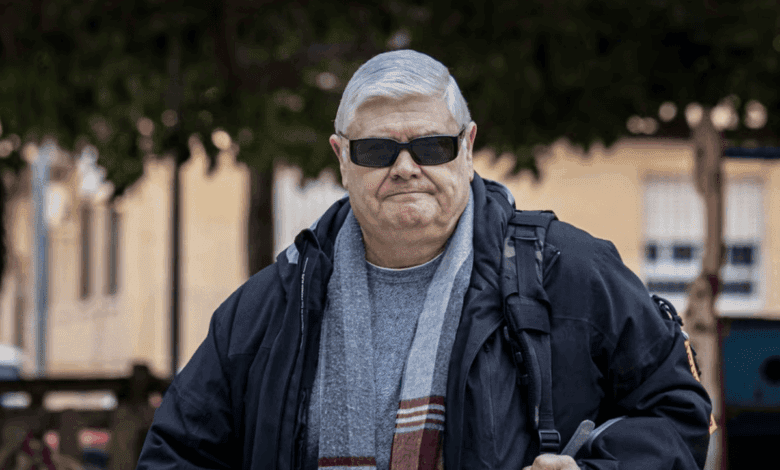
On Monday, a courtroom in Catarroja heard a testimony that could change the understanding of the tragedy that claimed 230 lives in the Valencian Community. José Miguel Basset, former head of the provincial fire consortium, stated under oath that authorities became aware of the scale of the impending disaster as early as 4:00 p.m.—four hours before a mass alert was sent to residents’ mobile phones. At that moment, according to him, the fire station was already flooded, and the situation in the Chiva and Cheste areas was rapidly deteriorating.
Despite being aware of the threat, the emergency coordination center (Cecopi) delayed action. The mass alert was sent only at 8:11 p.m., when most of those missing had already perished. This time gap has drawn close scrutiny from the court and sparked outrage among the victims’ families and the public.
Critical hours
Basset, now retired, was testifying in court for the second time in a short period. His statements are considered crucial to the investigation. The judge scheduled two separate sessions for his interrogation, underscoring the importance of the information the former fire chief possesses.
During his initial interrogation, Baset stated that he only learned about the withdrawal of his staff from the Poyo area—the epicenter of the main events—a few days after they occurred. On the day of the tragedy, he said, firefighters left the danger zone at 3:00 p.m.—an hour and a half before floodwaters overflowed the banks and inundated the towns of Chiva and Cheste, home to over 26,000 people.
Questions for the authorities
Baset’s testimony sheds light on how decisions were made during critical moments. He emphasized that by 4:00 p.m., firefighters understood that the situation was spiraling out of control and that the water surging from the Chiva ravine posed a deadly threat. Nevertheless, the warning signal to the population was sent with a significant delay.
The court also mentioned the name of Miguel Polo, head of the Confederación Hidrográfica del Júcar (CHJ), which reports to the Ministry for Ecological Transition. According to Baset, Polo never spoke of a ‘collapse’ or ‘destruction’ of the Forata dam, but only referred to ‘coronation’—meaning water spilling over the top edge of the dam.
Delayed response and consequences
The legal proceedings revealed a troubling picture: despite having information about the impending threat, emergency services and authorities failed to coordinate their actions in time. As a result, when the warning finally reached residents, for many it came too late.
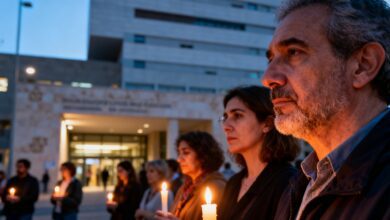
Relatives of the victims are demanding answers: why, despite having all the necessary information, did those responsible fail to take action sooner? Why, when firefighters realized the scale of the disaster, were they unable to alert the public directly? These questions remain unanswered, and public distrust of the authorities is only growing.
Courtroom Drama
Baset’s testimony marked a turning point in the investigation. His words confirmed that the tragedy could have been prevented, or at least its scale reduced, if the alarm had been raised in time. The court continues to investigate who decided to delay the warning and whether emergency response protocols were violated.
The scandal over the authorities’ response in Valencia is intensifying. The public demands transparency and justice, and the court must address the toughest questions arising from this tragedy.