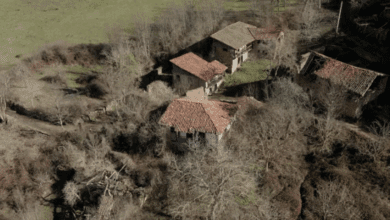
The question of selling a house without active water and electricity connections often arises for property owners in Spain. This situation is common both in older homes and in properties that have been unused for extended periods. Although such properties lack utilities, the law does not prohibit their sale; however, the transaction process has its own specifics.
First of all, much depends on the condition of the utility systems. If the house has functioning infrastructure that is simply temporarily disconnected, the new owner can quickly restore water and electricity supply by transferring ownership with the relevant services. In this case, no additional requirements apply to the transaction.
It is more complicated with properties where utilities are missing or do not meet modern standards. In such cases, the house does not satisfy the minimum requirements for habitation and therefore cannot receive the so-called ‘cédula de habitabilidad’. In a number of autonomous communities this document is mandatory for the sale; however, even without it, the transaction is possible if both parties are informed of the situation and agree to the terms.
When drawing up a sales contract in notarial form, it is important to state that the buyer is aware of the absence of utilities and undertakes to bring the house into compliance with the requirements for habitation. It is also recommended to specify in the contract that the property price takes into account the costs of restoring or installing new water and electricity systems.
If the buyer plans to take out a mortgage, the absence of utilities may become an obstacle to obtaining a loan. Banks usually require that the property meets habitability standards, so in such cases it is more difficult to get loan approval.
To complete a transaction for the sale of a house without water and electricity, a standard set of documents is required: proof of ownership, an extract from the property register, an energy efficiency certificate, a statement of no debt to the homeowners’ association (if applicable), the association’s statutes and minutes of meetings, as well as the latest property tax (IBI) receipts. The only exception is the habitability certificate, if it is not available.
Buyers should pay attention to any outstanding utility debts. While such debts do not automatically transfer to the new owner, they can complicate the process of setting up new contracts with service providers. Before signing the agreement, it’s advisable to request confirmation from the seller that there are no outstanding water or electricity bills. If debts exist, their amount may be deducted from the transaction price.
The absence of water and electricity does not always reduce the property price if utilities can be quickly restored. However, if major repairs or complete system replacement are required, the value of the house generally decreases by the estimated cost of those works. This is important to consider during price negotiations.
Thus, selling a house without water or electricity in Spain is possible, but requires close attention to legal details and transparency between buyer and seller. Proper documentation and careful consideration of all aspects can help both parties avoid disputes and financial losses.