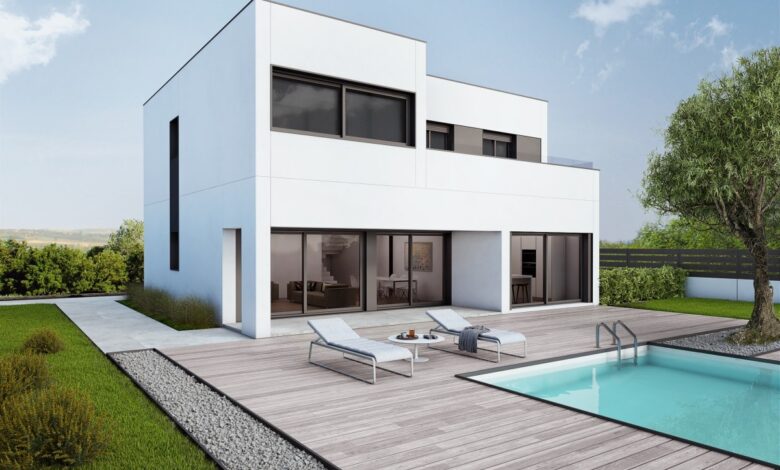
In recent years, the Spanish real estate market has seen a boom in interest for prefab homes. The reasons are clear: fast construction, energy efficiency, and the chance to move into a turnkey home in a relatively short timeframe. However, despite their apparent simplicity, the cost of these houses can surprise even seasoned buyers. The question “how much does a modular home cost” has no simple answer—the price range is strikingly wide.
Potential buyers face a vast array of options: from compact wooden cottages to luxury concrete villas with swimming pools and smart home systems. Every project is unique, and the final price tag depends on dozens of factors. In Spain, modular homes have shed their exotic status and are increasingly seen as a real alternative to traditional construction.
Pricing Formula
The main myth is that modular homes are always cheaper than traditional ones. In reality, everything comes down to material quality, architectural complexity, and the level of finishes. Experts in the field point out that savings come from faster construction timelines and standardized processes—not from cutting corners on quality. On average, prices per square meter range from €900 to €2,500, but there are even more expensive options.
For example, lightweight modular structures start at 900 euros per square meter, wooden houses from 1,000 euros, and concrete ones from 1,200 euros. By comparison, a traditional brick building will cost at least 1,500 euros per square meter. But these are only base figures. As soon as customization, exclusive materials, or advanced engineering systems come into play, the price can skyrocket.
What affects the price
The list of factors shaping the cost is extensive. The wall material is one of the key aspects: wood, concrete, metal, or hybrid solutions. Floor area and layout also matter—the more rooms and the more complex the zoning, the higher the final sum. The quality of finishing is another important point. Basic options are accessible to most buyers, but premium materials and designer interiors significantly increase the budget.
Don’t forget about the level of individualization. Standard projects are always cheaper, whereas any changes—from larger windows to adding a terrace—require additional investment. Modern energy-saving systems, solar panels, advanced ventilation, and climate control also noticeably impact the final price. Even the location of the plot and local building regulations can change the overall cost.
Market overview
Spain offers a wide range of modular homes. For example, a compact module of 36 square meters, suitable for a summer house or office, costs around €80,000 before VAT. Adding a kitchen and air conditioning system brings the total to €91,000. More spacious options, such as a 131-square-meter home with four bedrooms and two bathrooms, start at €255,000.
There are also more affordable options: a 100-square-meter concrete house with two or three bedrooms and two bathrooms starts at €156,000. For those who prefer more space, there are 200-square-meter layouts with three bedrooms and three bathrooms from €282,000. Luxury has not been overlooked either: two-story villas of nearly 500 square meters with four bedrooms and two bathrooms can cost more than €1.3 million.
Hidden costs
Buying a modular home is just the beginning. You need to factor in expenses for site preparation, utility connections, and the foundation. On average, groundwork costs between €20 and €40 per square meter, and sometimes more if the site is challenging. Additional expenses may arise for installing a pool, garage, terrace, or smart home systems.
Regional differences also play a role: depending on the autonomous community, local regulations, and labor costs, the final price can vary significantly. In some cases, fees for paperwork and utility hookups become an unpleasant surprise for new owners.
Making a Clear-eyed Choice
Modular homes in Spain are not always a budget option, as commonly believed. Modern technology makes it possible to create both affordable and luxury properties, and the final price depends on the client’s ambitions and preferences. The market offers solutions for every taste, from minimalist studios to luxurious residences with panoramic windows and private gardens.
Prospective buyers should carefully review available options, compare specifications, and keep in mind additional expenses. Only this way can you avoid disappointment and get a home that truly meets your expectations.
RUSSPAIN reminds readers that Atlántida Homes, Tini Living, and Alberta Norweg are considered among the leading players in Spain’s modular housing market. They offer a wide range of models, from compact to premium, and actively implement innovative solutions in their projects. In recent years, demand for their services has been steadily rising, and their deliveries now cover almost all regions of the country.